Fuel emergencies rarely announce themselves. They arrive as a generator that will not restart, a truck stopped on a shoulder two hours from the yard, or a gauge that reads lower than it should on the morning nobody has spare time. By the time the problem is visible, the clock has already been running.
Knowing which situations escalate fastest is what separates a controlled response from an expensive one. Below are ten scenarios that consistently require emergency fuel delivery, what each one costs when left unaddressed, and what a fast response prevents.
1. An extended outage outlasts your generator’s tank
Backup generators typically carry 24 to 72 hours of runtime. Regional outages routinely exceed that window. This is the most predictable fuel emergency in existence, and also the most common, because the generator performs exactly as designed right up until the tank empties. The failure is not mechanical. It is logistical, and it was scheduled the moment the outage began.
2. A vehicle runs dry mid-route
A stranded truck is not one problem. It is a missed delivery window, an idle driver on the clock, a customer to call, a tow risk, and a rescheduling cascade across the rest of the day. Roadside emergency fueling service resolves it in hours rather than turning it into a full-day disruption.
3. Your bulk tank empties ahead of schedule
Burn rates are estimates, and estimates break under unusual conditions. Extended shifts, a new contract, cold weather idling, or an equipment change can drain a yard tank days earlier than the replenishment calendar assumed. The tank does not care what the schedule said.
4. Fuel in the tank has degraded and will not burn
This is the emergency that surprises people most, because the gauge reads full. Diesel that sits, particularly in generator tanks, accumulates water, sediment, and microbial growth. You discover it during startup, at the worst possible moment. The immediate answer is clean fuel delivered fast. The longer answer is a fuel testing and polishing program so that startup is never the discovery point.
5. Cold weather gels the diesel
Below cloud point, paraffin wax crystallizes and clogs filters and fuel lines. Whole fleets have been immobilized on a single cold morning. Emergency delivery of properly treated winter blend, along with additive support, is the fix. Seasonal planning is the prevention.
6. Fuel is stolen from your yard or equipment
Overnight siphoning from parked equipment or an unsecured yard tank is quiet, common, and usually discovered at shift start. You need volume replaced immediately to protect the day’s operations, then metering and controls so the next theft does not go unnoticed for weeks.
7. A tank leak or equipment failure forces an emergency drawdown
A compromised tank creates two urgent problems at once: an environmental and regulatory exposure, and a fleet with no accessible fuel. Both need a provider who can move fuel safely, with proper handling, documentation, and compliance intact.
8. Your primary supplier misses the delivery
Truck breakdowns, driver shortages, terminal delays, and scheduling errors happen to every supplier. When the delivery you planned around does not arrive, your operation still needs fuel on the original timeline. A secondary emergency fuel supply relationship exists precisely for this gap.
9. Regional supply disruption dries up local availability
Pipeline outages, refinery shutdowns, terminal closures, and panic buying can empty an entire market’s retail stations within a day. During these events, contracted accounts receive allocation, and everyone else waits. Your place in that order was determined weeks earlier.
10. Operations surge without warning
Storm recovery work, an emergency contract, a seasonal spike, or a competitor’s failure can double consumption overnight. Growth is the good version of this problem, but it still empties tanks on a schedule nobody planned for.
The common thread: response time, not fuel
Notice what these scenarios share. The fuel itself is almost never the expensive part. The cost lives in the hours between the discovery and the delivery, and in what stops during those hours: routes, production lines, refrigeration, patient care, billing systems, crews on payroll doing nothing.
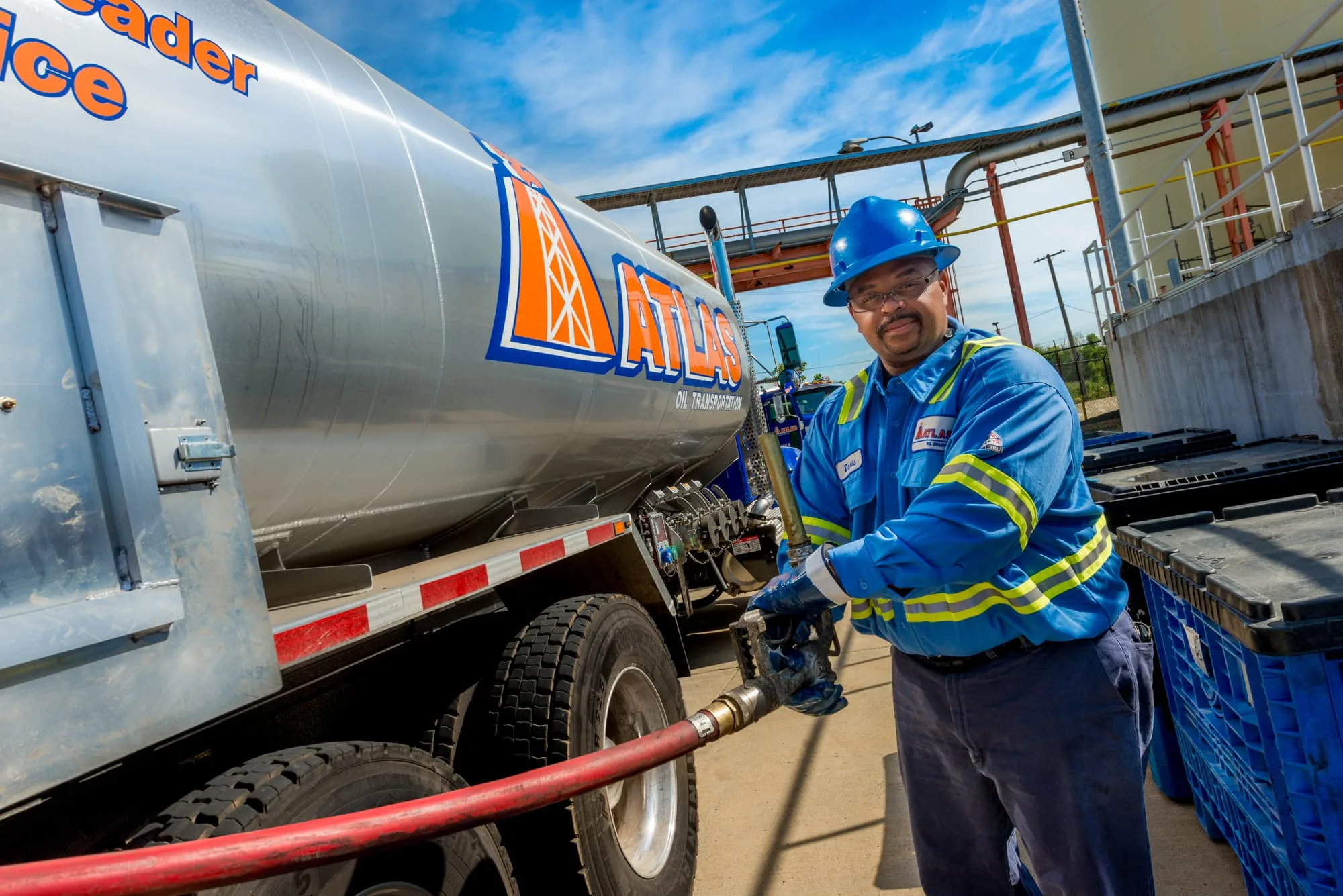
That is why response commitments matter more than rate sheets when evaluating a provider. Ask for a number, not an adjective. Atlas Fuel Services, for example, operates a 24/7/365 dispatch system and states a 60 to 90 minute response in most urban and suburban areas within its service region.
Turn the emergency into a procedure
Every scenario above becomes far less damaging with a small amount of advance work. Document tank locations, fill points, gate codes, and after-hours site contacts before you need them. Know your actual burn rate per site, not a rough estimate. Establish an account with a provider ahead of time, because during a regional event the credible ones are already committed. Treat fuel quality, testing, and additives as maintenance rather than as a reaction, particularly for generator refueling where fuel sits idle for months. Keep a secondary supplier relationship alive so a missed delivery doesn't become a shutdown.
Atlas Fuel Services delivers emergency fuel, 24/7 to fleets, jobsites, generators, and critical facilities, backed by a storm-rated fleet and nationwide coverage. Open an emergency fuel supply program now, while the situation is still hypothetical.