A reliable water heater is one of the most important appliances in any home. From warm showers to clean dishes and laundry, hot water plays a vital role in daily comfort. However, like any household system, water heaters can develop problems over time. While some issues require professional attention, many minor problems can be identified or even prevented with a few simple maintenance hacks.
If you're dealing with inconsistent hot water or unusual heater behavior, understanding these easy repair and maintenance tips can help you save time, money, and frustration.
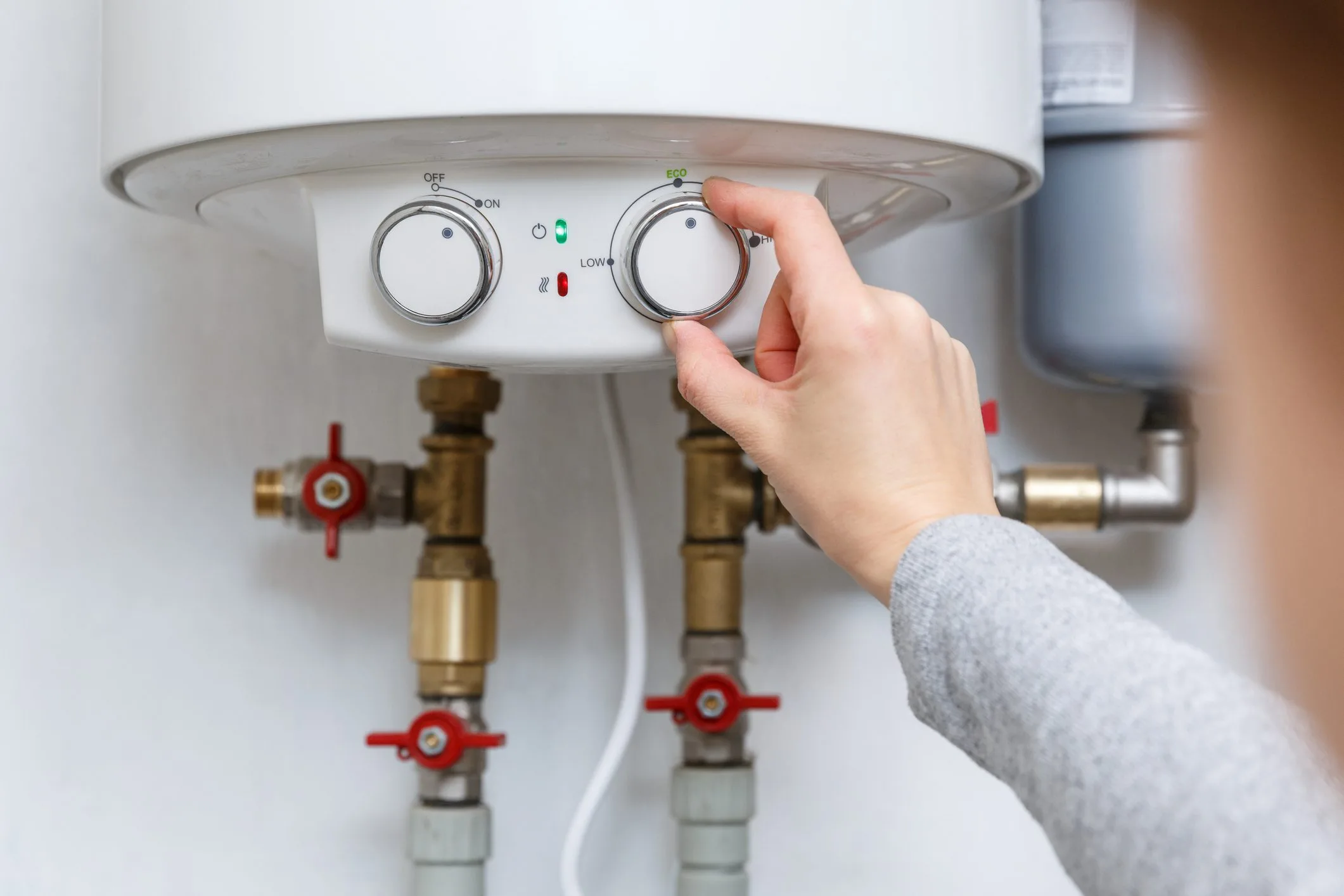
1. Check the Thermostat Settings
One of the first things to inspect when your water heater isn't performing properly is the thermostat. Sometimes the temperature setting may be accidentally adjusted. Most manufacturers recommend keeping the temperature around 120°F (49°C) for efficiency and safety.
If the water feels too hot or not hot enough, a quick thermostat adjustment could solve the issue without further repairs.
2. Flush the Tank Regularly
Sediment buildup is a common cause of water heater inefficiency. Minerals from hard water settle at the bottom of the tank over time, reducing heating performance and increasing energy consumption.
Flushing the tank once or twice a year helps remove sediment and improves overall efficiency. This simple maintenance task can also extend the lifespan of your water heater.
3. Inspect for Water Leaks
Even small leaks can lead to larger problems if ignored. Check around the base of the heater, pipe connections, and valves for any signs of moisture.
Catching leaks early can prevent water damage and costly repairs. If you notice persistent leakage, it may indicate a failing valve or tank component that needs replacement.
4. Test the Pressure Relief Valve
The temperature and pressure relief valve is a critical safety feature. It prevents excessive pressure from building inside the tank.
Carefully lift and release the valve handle to ensure water flows freely. If the valve doesn't operate correctly or continues leaking afterward, it may need professional servicing.
5. Listen for Unusual Noises
Popping, rumbling, or banging sounds often indicate sediment accumulation inside the tank. These noises occur when trapped water heats beneath mineral deposits.
Addressing the issue early through tank flushing can prevent unnecessary strain on the heating system and improve efficiency.
6. Check the Anode Rod
The anode rod helps prevent corrosion inside the tank by attracting minerals and contaminants. Over time, it wears down and becomes less effective.
Inspecting and replacing the anode rod every few years can significantly extend the life of your water heater and reduce the likelihood of tank failure.
7. Insulate Hot Water Pipes
Heat loss through exposed pipes can reduce system efficiency and increase energy costs. Pipe insulation is an affordable solution that helps maintain water temperature as it travels through your home's plumbing system.
Proper insulation can also reduce the amount of time needed for hot water to reach faucets and fixtures.
8. Monitor Water Quality
Discolored, rusty, or foul-smelling hot water can indicate corrosion, bacterial growth, or sediment buildup inside the tank.
If water quality changes suddenly, investigate the source promptly. Regular maintenance and inspections can help prevent these issues from becoming more serious.
9. Reset the Water Heater
For electric water heaters, a tripped reset button may be the reason for a lack of hot water. Locate the reset button, typically found behind an access panel, and follow manufacturer instructions to reset the system.
If the button trips repeatedly, it may signal an electrical problem that requires expert attention.
10. Know When to Call a Professional
While DIY maintenance can address many minor issues, some repairs should always be handled by trained professionals. Complex electrical faults, gas-related concerns, significant leaks, or aging systems require specialized knowledge and equipment.
For homeowners seeking dependable hot water system repair in Lower Hutt, working with experienced plumbing professionals ensures problems are diagnosed accurately and resolved safely. Professional inspections can also identify hidden issues before they develop into major breakdowns.Preventive Maintenance Saves Money
Routine maintenance is often more affordable than emergency repairs or complete system replacement. Homeowners planning a new hot water system installation in Lower Hutt should also prioritize ongoing maintenance to maximize efficiency and system longevity.Simple tasks such as checking valves, monitoring temperature settings, and flushing the tank regularly can help avoid unexpected disruptions while keeping energy costs under control.
Be Prepared for Unexpected Issues
Despite regular maintenance, plumbing emergencies can still occur. Sudden leaks, loss of hot water, or pressure-related problems may require immediate assistance from an emergency plumber in Lower Hutt. Acting quickly can minimize property damage and restore your home's comfort faster.Final Thoughts
Water heaters are essential household appliances that deserve regular care and attention. By following these easy repair and maintenance hacks, homeowners can improve efficiency, extend equipment lifespan, and reduce the likelihood of costly breakdowns.
Whether you're troubleshooting minor issues or scheduling routine inspections, professional support remains invaluable when problems become more complex. Findlay's Plumbing understands the importance of reliable hot water and quality workmanship, helping homeowners maintain efficient systems and enjoy uninterrupted comfort throughout the year.