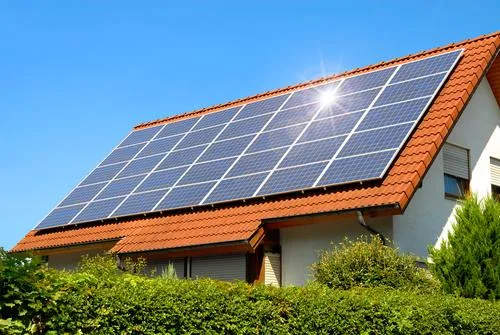
A 400 Watt Solar Panel can generate roughly 1.6-2.4 kWh of electricity per day in typical U.S. sunlight conditions, making it a strong fit for RVs, cabins, boats, and small residential systems.
That is the quick answer. The more useful answer is that actual performance depends heavily on climate, panel orientation, shading, temperature, and system design.
Over the last decade, I have helped install and troubleshoot solar systems on everything from travel trailers in Arizona to off-grid fishing cabins in British Columbia. The difference between a panel rated at 400 watts on paper and what it delivers in the field can surprise people.

What a 400 Watt Solar Panel Can Power
A single 400W panel is not enough to run an entire house, but it can support a meaningful portion of daily electrical use.
ApplianceApproximate Runtime per Day12V RV refrigerator8-12 hoursLED lighting system20-40 hoursLaptop computer15-25 chargesSmall television6-10 hoursPhone charging30+ full chargesThese estimates assume about 5 peak sun hours per day and a properly sized battery and charge controller.
Real-World Output: Why 400 Watts Is Not Always 400 Watts
Solar panel ratings are measured under Standard Test Conditions (STC): 1000 W/m² sunlight, 25°C cell temperature, and perfect alignment.
Real rooftops rarely look like a laboratory.
In practice, output changes with:
- Temperature: Solar panels lose efficiency as they heat up. A hot summer roof can reduce output noticeably.
- Angle and orientation: Panels facing true south in the Northern Hemisphere usually produce the most energy.
- Shading: Even partial shade from vents, trees, or antennas can cut production sharply.
- Dust and debris: Dirt, pollen, and bird droppings reduce light absorption.
According to the U.S. Department of Energy, system losses from temperature, wiring, inverter efficiency, and shading can reduce real-world output by 15-25%.
Source: https://www.energy.gov
In a recent RV installation in Nevada, a 400W panel produced nearly 2.3 kWh on clear spring days. The same setup dropped below 1.2 kWh during smoky wildfire conditions later that summer.
Monocrystalline vs. Polycrystalline 400W Panels
Most modern 400 Watt Solar Panel products use monocrystalline cells, and for good reason.
TypeEfficiencyTypical UseMonocrystalline19-23%Residential, RV, marine, off-gridPolycrystalline15-18%Budget or space-unconstrained systemsHigher efficiency matters when roof space is limited. On RVs and boats, it matters a lot.
The National Renewable Energy Laboratory (NREL) reports that commercial monocrystalline modules now regularly exceed 20% efficiency, while polycrystalline technology has become less common in premium applications.
Source: https://www.nrel.gov
Choosing the Right 400 Watt Solar Panel
Here are the factors that actually matter in the field:
1. Voltage and System Compatibility
Make sure the panel works with your charge controller and battery bank.
Common pairings:
- 12V battery systems → MPPT controller strongly recommended
- 24V systems → More efficient for larger installations
- Lithium batteries → Require compatible charge profiles
2. Physical Size and Weight
A typical 400W rigid panel is large - often around 67-80 inches long and 40-45 inches wide. Check mounting space carefully, especially on RV roofs crowded with vents and air conditioners.
3. Weather Resistance
Look for panels with:
- Tempered glass
- Anodized aluminum frame
- IP67 or IP68 junction boxes
- Snow and wind load ratings appropriate for your climate
Marine environments need extra attention to corrosion resistance.
4. Warranty and Degradation Rate
Quality panels typically include:
- 10-15 year product warranty
- 25-year performance warranty
- Less than 0.5% annual degradation
A cheap panel that loses output quickly is not actually cheap over time.
Installation Considerations
Mounting and Airflow
One mistake I see often is mounting panels flat against a hot roof with no airflow underneath. Heat buildup lowers efficiency and can shorten lifespan.
Leave a small air gap whenever possible.
Wiring and Protection
Use UV-resistant solar cable, proper MC4 connectors, and appropriately sized fuses or breakers. Voltage drop becomes important on longer cable runs.
Tilt Angle
For fixed installations, a tilt angle close to your latitude is a good starting point. Adjustable mounts can improve winter production significantly.
How Many 400W Panels Do You Need?
Daily Energy UseRecommended Panels1-2 kWh/day1 panel3-5 kWh/day2-3 panels6-8 kWh/day4-5 panels10+ kWh/day6+ panelsThese are general estimates. Battery storage, inverter size, and seasonal sunlight all matter.
Cost and Value
Prices vary widely by brand and technology, but a quality 400 Watt Solar Panel is often one of the best cost-per-watt options available today.
A complete system usually includes:
- Solar panel
- Charge controller
- Battery bank
- Inverter
- Mounting hardware
- Cabling and protection devices
Do not compare panel prices alone. System design determines reliability.
Maintenance Tips
- Clean the panel surface periodically with water and a soft cloth.
- Inspect connectors for corrosion or looseness.
- Check mounting hardware after storms or heavy vibration.
- Monitor output trends; gradual declines can indicate dirt, shading growth, or equipment issues.
In dusty desert environments, cleaning frequency can make a surprisingly large difference.
A Practical Perspective
People often ask whether a 400 Watt Solar Panel is "worth it." The better question is whether it matches your energy habits.
For weekend camping with minimal loads, one panel may feel excessive. For full-time RV living with refrigeration, fans, laptops, and occasional microwave use, 400 watts is often a sensible minimum starting point.
I have seen well-designed 400W systems quietly run for years with little attention. I have also seen expensive setups underperform because panels were shaded by roof racks or wired through undersized cable.
The panel matters. The installation matters more.
Final Thoughts
A 400 Watt Solar Panel offers a practical balance of output, efficiency, and cost for many off-grid and mobile applications. Expect around 1.6-2.4 kWh of daily energy in good sunlight, with real performance shaped by installation quality and environmental conditions. If you plan carefully - especially around shading, airflow, and electrical compatibility - a 400 Watt Solar Panel can deliver reliable power for years.