
Picture: Unsplash
Creating a refined and inviting living space goes beyond selecting furniture and choosing color palettes. Art plays a central role in shaping the mood, character, and identity of a home. Whether subtle or bold, the right artistic elements enhance the environment and bring a sense of cohesion to interior design. For homeowners and design enthusiasts, understanding how different art styles interact with a space is essential to achieving a polished and intentional look.
Artistic styles are not simply aesthetic choices. They communicate personality, influence perception, and contribute to how a space feels on a daily basis. By thoughtfully incorporating a range of artistic expressions, it becomes possible to transform interiors into environments that are both visually compelling and deeply personal. Exploring a variety of styles offers insight into how art can elevate everyday living.
Contemporary Abstract for Bold Visual Impact
Contemporary abstract art is one of the most effective ways to make a strong visual statement. Defined by its emphasis on color, form, and movement rather than realistic depiction, this style invites interpretation and personal connection. It works especially well in modern homes that value creativity and individuality.
Large abstract pieces can serve as focal points, drawing immediate attention and setting the tone for the entire room. Bright, energetic compositions can add vitality to living areas, while softer, muted abstracts create a calming and sophisticated ambiance. This flexibility makes contemporary abstract art a valuable tool in both minimalist and eclectic interiors.
Abstract art also encourages layering within a space. Pairing a striking canvas with understated furnishings allows the artwork to take center stage without overwhelming the room. Its versatility ensures that it remains a popular choice for those looking to introduce a dynamic yet balanced aesthetic into their interiors.
Nature-Inspired Art for Tranquil Spaces
Nature-inspired art continues to resonate with homeowners seeking a sense of calm and connection to the natural world. This style encompasses landscapes, botanical illustrations, and wildlife imagery that evoke serenity and balance. It serves as a visual escape, bringing elements of the outdoors into the home.
Living spaces that incorporate nature-based artwork often feel more relaxed and inviting. Soft greens, blues, and earth tones contribute to a soothing atmosphere, making this style particularly suitable for bedrooms, lounges, and reading areas. These pieces work in harmony with organic materials such as wood, stone, and linen, reinforcing a cohesive design language.
Incorporating this style also aligns with broader wellness trends in interior design. A visually calming environment can have a significant impact on overall well-being, making nature-inspired art not only aesthetically pleasing but also functionally beneficial. It bridges the gap between design and lifestyle, creating spaces that feel restorative and grounded.
Minimalist Art for Clean and Modern Interiors
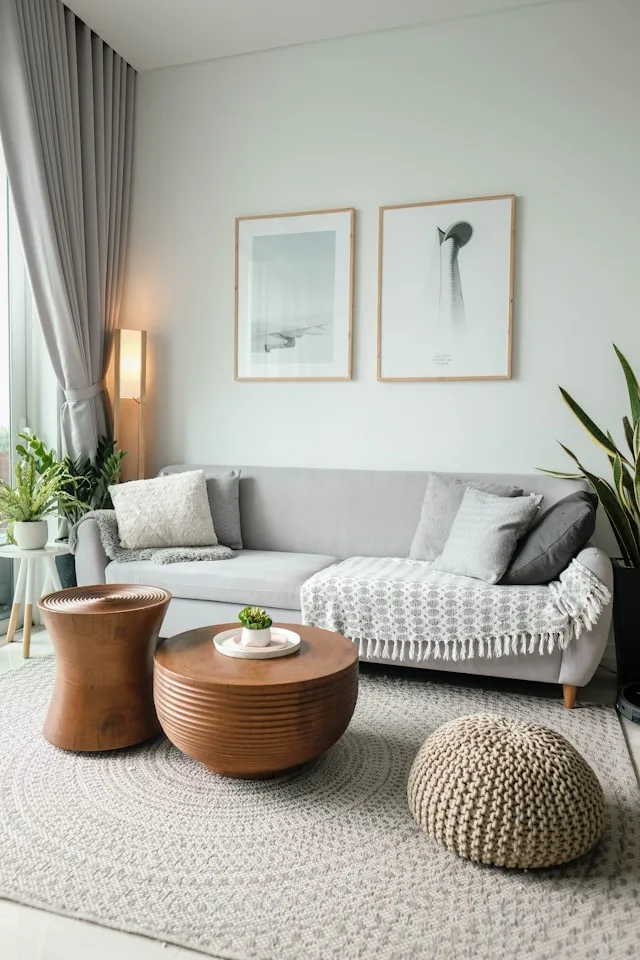
Minimalist art offers a refined approach that prioritizes simplicity and clarity. Characterized by limited color palettes, clean lines, and intentional composition, this style complements modern interiors that emphasize openness and functionality. It is particularly effective in spaces where excess decoration would detract from the overall design.
This style allows homeowners to create a sense of order and focus within a room. By reducing visual clutter, minimalist pieces enhance the perception of space and light. Black and white photography, geometric prints, and subtle tonal variations are common features that add interest without overwhelming the eye.
For those curating their interiors with intention, selecting fine art for sale within a minimalist framework can provide both aesthetic value and long-term appeal. Carefully chosen pieces elevate the environment while maintaining a cohesive and uncluttered look. Minimalist art proves that simplicity, when executed thoughtfully, can be highly impactful.
Classical Art for Timeless Elegance
Classical art brings a sense of history and sophistication to interior spaces. Rooted in traditional techniques and subject matter, this style includes realistic portraits, landscapes, and still-life compositions that showcase precision and craftsmanship. Its enduring appeal lies in its ability to remain relevant across generations.
Incorporating classical pieces into a home adds depth and refinement. These works often act as anchors within a room, providing a sense of stability and balance. They pair particularly well with traditional furnishings, rich textures, and neutral color schemes, creating an atmosphere that feels both elegant and welcoming.
Classical art also provides an opportunity to connect with cultural heritage. Many pieces reflect historical narratives and artistic traditions that add meaning to a space. When integrated thoughtfully, they elevate interiors by combining visual beauty with intellectual significance.
Eclectic Mixed Media for Personalized Expression
Eclectic mixed media art is ideal for those who want their living space to feel unique and expressive. This style blends various materials, techniques, and visual elements to create pieces that are layered and visually engaging. It allows for a high degree of personalization, making it a favorite among creative homeowners.
Mixed media works often incorporate textures, collage elements, and unconventional materials, resulting in pieces that stand out as conversation starters. They can be displayed individually or grouped together to create gallery walls that reflect personal taste and experiences. This approach encourages experimentation and breaks away from rigid design rules.
In interiors, eclectic art brings energy and individuality. It works particularly well in spaces that embrace a more relaxed and curated aesthetic. By combining different artistic influences, homeowners can create environments that feel lived-in and authentic. This style celebrates creativity and ensures that no two spaces are ever the same.
Conclusion
Art is a transformative element in interior design, capable of shaping the atmosphere and identity of a living space. By understanding and incorporating a range of artistic styles, homeowners can create interiors that are both functional and inspiring. Each style offers unique benefits, from the bold statements of abstract art to the calming influence of nature-inspired pieces.
The process of selecting art should be intentional, reflecting both personal preferences and the overall design vision. When chosen thoughtfully, artwork enhances not only the visual appeal of a space but also the way it is experienced on a daily basis. Through a balanced and informed approach, art becomes more than decoration, becoming an integral part of a well-designed and meaningful home.