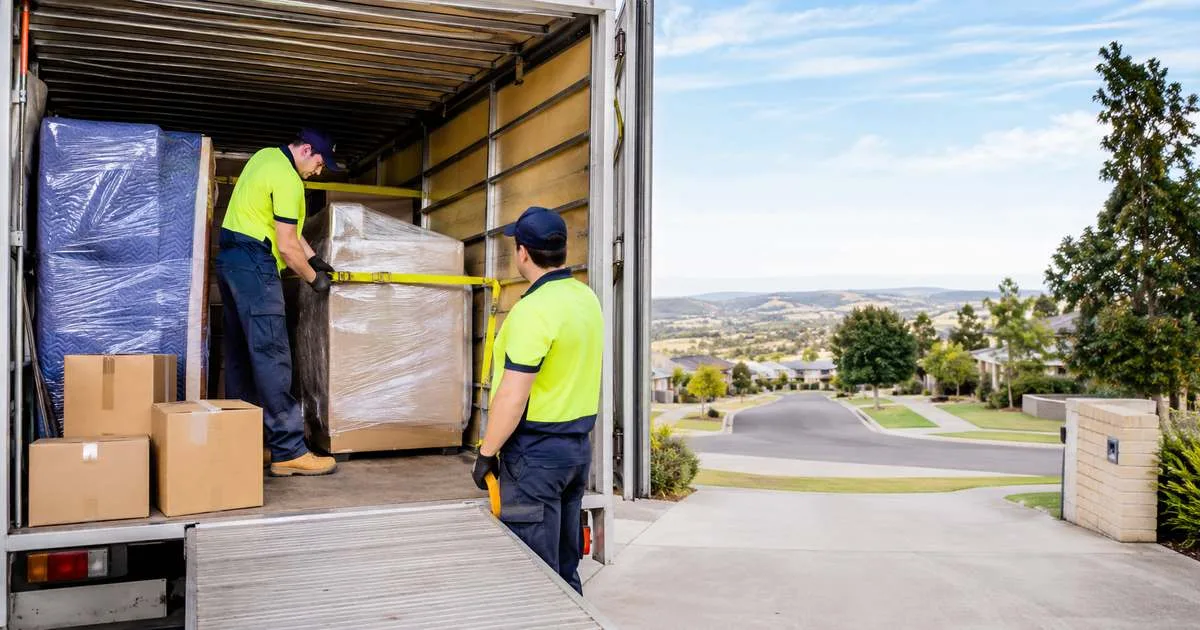
Moving day can be stressful enough without finding out that your new home is not ready, the truck cannot fit everything or your furniture will not go through the front door.
Some problems come from poor planning, while others are simply unexpected. Either way, they can delay the move and add to your costs. Knowing what to check beforehand can save you a lot of trouble.
1. You Cannot Get Into Your New Home
The truck has arrived, but you cannot collect the keys. Perhaps the previous occupants have not finished moving out, the property needs more cleaning or settlement is taking longer than expected.
This puts you in a difficult position because your belongings are already loaded, but there is nowhere to unload them.
Before moving day, speak with your property manager, real estate agent or solicitor to confirm the handover arrangements. Find out when the previous occupants are leaving and who will provide the keys.
When booking house removalists, explain any settlement deadlines or strict key collection times. Ask what happens if you cannot access the property when the truck arrives. Depending on the delay, you may need temporary storage or somewhere to stay until the keys are available. Also check whether waiting time or a change to the delivery arrangements will cost extra.
2. The Removalists Arrive Late or Have the Wrong Details
A late truck can throw out your plans for the whole day. This becomes more difficult when you have arranged a rental handover, booked a lift or need to collect keys at a particular time.
Wrong addresses, missing apartment numbers and unclear arrival arrangements can cause problems too.
Check your booking confirmation a few days before the move. Make sure the collection and delivery addresses, moving date, contact numbers and agreed services are correct. Keep the company's contact details handy so you can get an update if the truck does not arrive within the agreed window.
It is also worth checking customer reviews and keeping a copy of the written quote. If the crew or vehicle is different from what was arranged, contact the company through its usual contact details before proceeding.
3. Your Belongings Do Not Fit in the Truck
People often forget how much they have stored around the house. The garage, garden shed, spare bedroom and outdoor areas can contain more belongings than expected.
If the removalist has not been told about these items, the truck may not have enough room. Some belongings could be left behind, or another trip may be needed.
Walk through the property before requesting a quote. Make a list of the furniture, boxes and other belongings you plan to take. Include everything stored outside the main living areas.
Photos or a video walkthrough can help the removalist estimate the space required. Let them know about anything you add after the initial assessment, rather than waiting until moving day to mention it.
Ask what happens if the load is larger than expected and whether an additional trip or vehicle will affect the price.
4. Your Furniture Will Not Fit Through the Entrance
A lounge might fit perfectly in your new living room but fail to get through the front door. Narrow hallways, sharp corners, staircases and small apartment lifts can all create problems.
Measuring the room alone will not tell you whether the furniture can get inside.
Measure larger furniture and check the doorways, hallways and staircases at both properties. For apartments, check the lift dimensions and ask building management about lift bookings and moving hours.
Interstate removalists also need accurate information about access at both the collection and delivery addresses. Tell them about stairs, narrow entrances and places where a truck may have difficulty stopping. Send photos of any awkward access points before the move.
If furniture needs to be taken apart, confirm who will handle the dismantling and whether putting it back together is included in the agreed work.
5. Your Belongings Get Damaged or Important Items Go Missing
Finding a scratched dining table or broken crockery after the move is frustrating. Poor packing, overfilled boxes and insufficient protection can increase the risk of damage.
Small but important belongings can also go missing when they are packed away with general household items. Computer files are another concern if hard drives or storage devices become separated from their equipment.
Use sturdy boxes and wrap fragile belongings properly. Keep jewellery, medication, important documents and other valuables with you. Back up computer files and keep external drives and USB devices together.
Taking photos of valuable furniture before the move gives you a record of its condition. Before booking, ask the removalist what insurance cover applies, what exclusions exist and how to report damaged or missing belongings.
Once your belongings arrive, avoid leaving them unattended in an empty property. Arrange for someone to receive the delivery and make sure the property is secure.
6. The Move Takes Longer Than Expected
You might expect the truck to finish the job within a few hours, but loading and unloading can take longer than planned.
Traffic, bad weather, stairs, long distances between the truck and front door, and difficult access can all affect the schedule. A delay at the collection property can also affect arrival at your new home.
Avoid arranging important appointments too close to the expected finish time. Keep the access paths clear and tell the removalist about stairs, parking distances or other difficulties before the move.
There is no point rushing furniture through a wet or slippery entrance just to stay on schedule. Take the time needed to move belongings safely.
If your plans change, contact the removalist as early as possible. A change to the collection time or delivery address may affect the arrangements and quoted cost.
7. You Cannot Find What You Need After Arriving
After spending the day moving boxes and furniture, you probably do not want to search through every carton for your phone charger, medication or clean clothes.
Pack a separate bag with toiletries, medication, chargers, clothes, bedding and anything else you will need that evening. Keep it with you rather than loading it onto the truck.
Arrange electricity, gas, hot water and internet connections before moving where possible. Remember to update your address with banks, employers, insurers and Australia Post.
If you have children or pets, arrange someone to look after them while furniture is being moved. With doors opening and closing throughout the day, pets can easily become unsettled or escape.
Before leaving your old home, check every bedroom, wardrobe, cupboard, garage and outdoor area. Take photos of the empty rooms, note any existing damage and check the property before returning the keys.
At the new property, locate the electrical switchboard and main water shut-off. Keep photos of relevant meter readings for your utility records.
Before You Confirm Your Moving Booking
A few details are worth checking before you agree to a moving date:
- Does the quote cover everything you intend to move?
- Is the truck suitable for the amount of furniture and boxes?
- Have access, stairs, lifts and parking been discussed?
- Are the collection and delivery addresses correct?
- Do you understand what is included in the quoted price?
- Have additional charges and insurance conditions been explained?
Read the quote carefully rather than looking at the total price alone. Check that the agreed work matches your actual moving requirements. If an invoice differs from the quote, ask for an itemised explanation and compare it with your booking agreement.
Getting these details sorted before moving day leaves less room for confusion when the truck arrives.