The Changing Role of a Transport Subcontractor
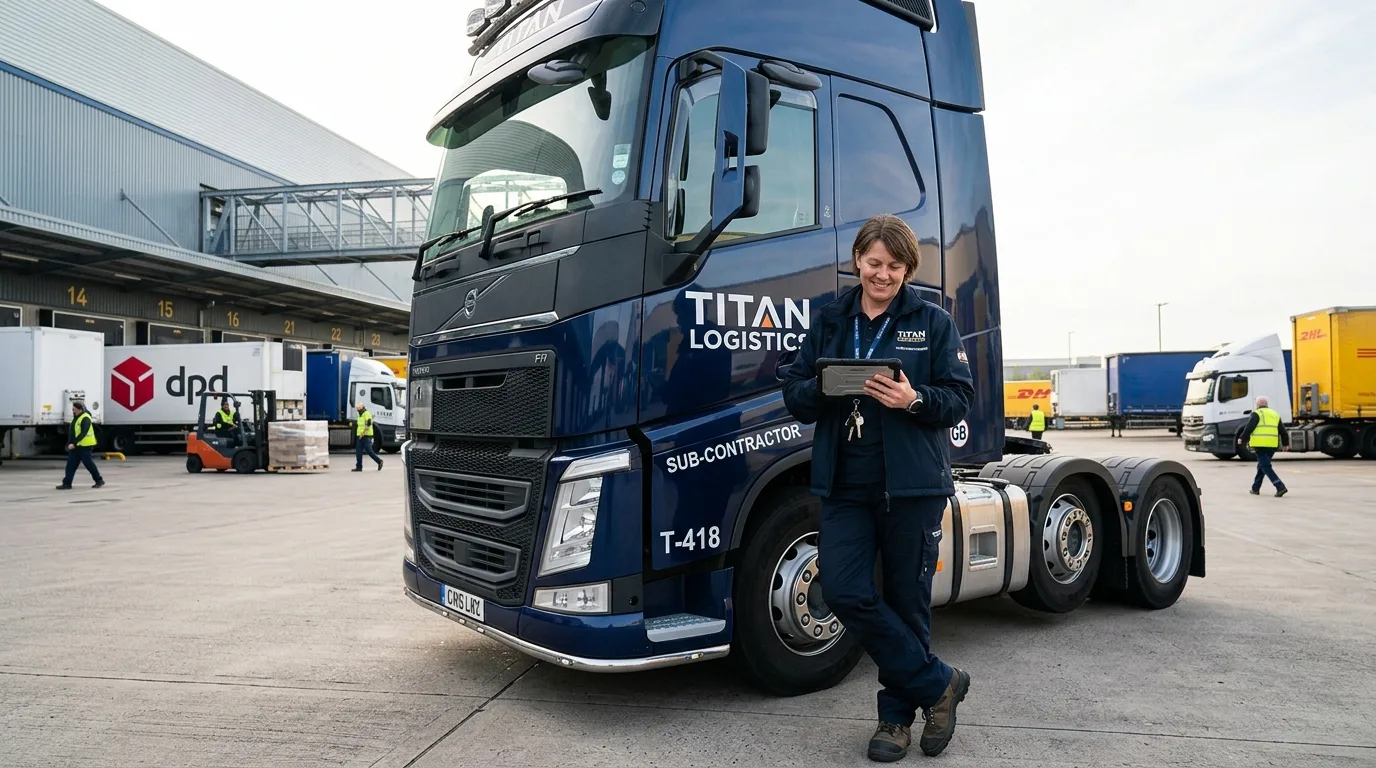
The road transport industry depends on strong partnerships. When freight volumes increase, delivery schedules become tighter, or a logistics company needs extra fleet capacity, subcontractors can play an important role. A reliable Transport Subcontractor helps connect businesses with the vehicles, drivers, flexibility, and practical support needed to keep goods moving.
For many operators, subcontracting is more than taking occasional delivery jobs. It can become a long-term business opportunity when the right relationships are built. However, winning consistent work requires more than having a vehicle available. Reliability, communication, safety, compliance, route knowledge, and professional service all influence whether a haulage company chooses to work with a subcontractor again.
What Does Transport Subcontracting Actually Mean?
Transport subcontracting is an arrangement where a logistics or haulage company uses an independent transport operator or another business to complete agreed freight movements. The subcontractor may provide the vehicle, driver, equipment, or a combination of these services, depending on the contract.
This approach gives logistics companies greater flexibility during busy periods. At the same time, it allows independent operators to access regular work without having to develop every customer relationship themselves.
The Opportunity Behind Subcontract Haulage Work
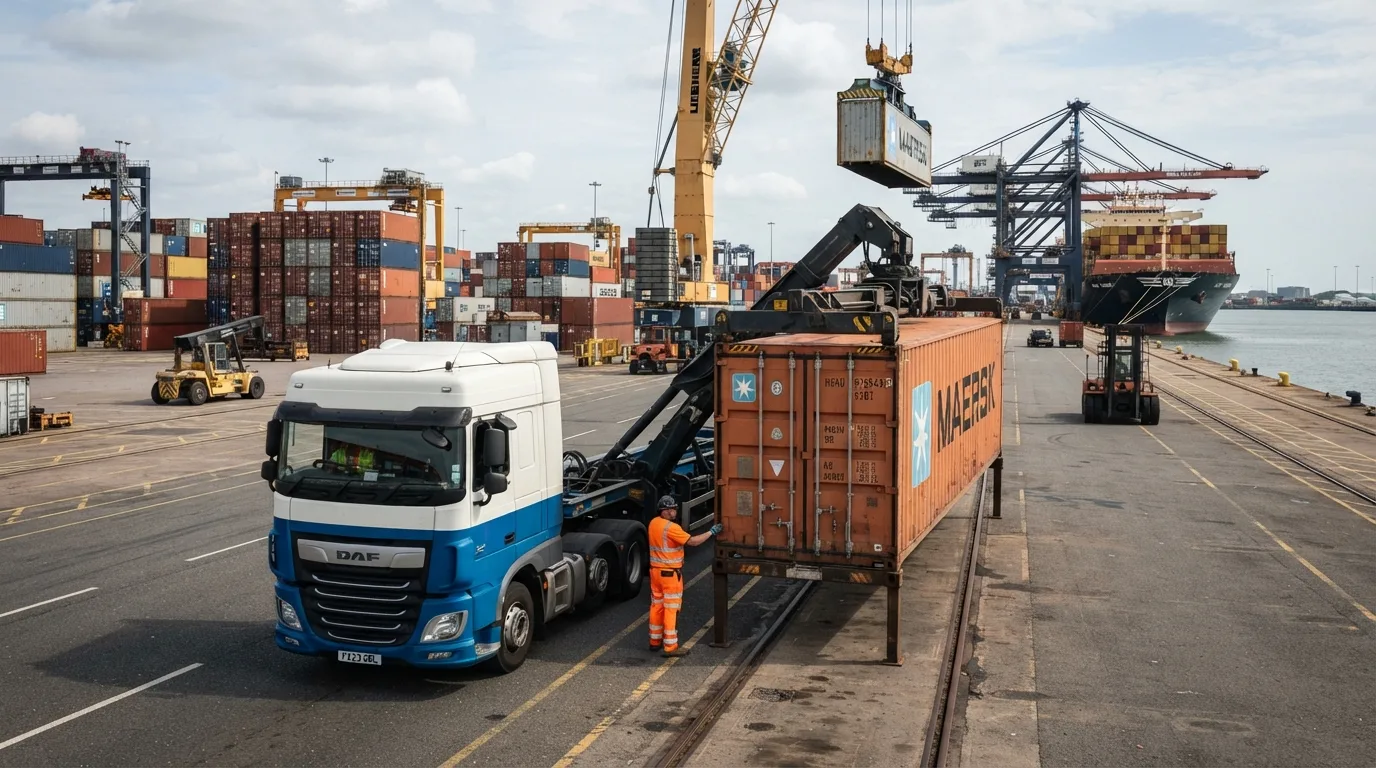
Demand for reliable road freight capacity continues to create opportunities for operators who can deliver a professional service. Container collections, warehouse transfers, regional distribution, port deliveries, and longer-distance movements can all require additional transport capacity.
The important point is simple: businesses want dependable partners. A subcontractor who consistently arrives on time, communicates clearly, follows procedures, and handles freight responsibly has a stronger chance of developing repeat business.
1. Make Reliability Your Strongest Selling Point
Reliability sounds basic, but it is one of the biggest factors in successful subcontracting. A logistics company may have a carefully planned delivery schedule, but one missed collection can affect several other parts of the supply chain.
Turn Up When You Say You Will
A professional transport operator should plan routes carefully, allow realistic travel time, and understand possible delays before accepting a job. Consistent punctuality builds confidence.
Keep Communication Clear
If a delay occurs, communicate it as soon as possible. Silence creates uncertainty. A short and useful update can help a logistics coordinator adjust the rest of the schedule.
Build a Reputation Over Time
A good reputation is not created by one successful delivery. It comes from repeatedly providing dependable service. Every completed movement is an opportunity to demonstrate that your business can be trusted.
2. Keep Your Vehicle and Equipment Ready for Work
A transport business cannot afford unnecessary downtime. Vehicle condition, maintenance, documentation, and suitable equipment should therefore be treated as part of the service rather than separate responsibilities.
Prevent Problems Before They Happen
Regular inspections and planned maintenance can help identify issues before they become serious. Tyres, brakes, lights, securing equipment, and other important components should receive appropriate attention.
Match Equipment to the Job
Different freight movements can require different equipment. Container transport, general haulage, heavy loads, and specialised cargo may each have specific requirements.
A capable transport subcontractor understands the limitations of their equipment and accepts work that can be completed safely and professionally.
3. Understand How the Wider Logistics Chain Works
A subcontractor does not operate in isolation. The vehicle may be collecting from a port, delivering to a distribution centre, transferring freight between warehouses, or supporting an international supply chain.
Learn the Full Journey
Understanding what happens before and after your part of the journey can make your work more efficient. For example, port collections may involve booking systems, terminal procedures, collection references, time restrictions, and specific documentation.
Think Beyond the Driver's Seat
Successful subcontractors understand that transport is connected to warehousing, freight forwarding, customs, shipping schedules, customer deliveries, and inventory management.
This wider knowledge helps an operator become more useful to logistics companies.
4. Offer Flexibility Without Compromising Standards
One reason companies use subcontractors is flexibility. Freight volumes can change quickly, and businesses may need additional capacity at short notice.
Be Clear About Your Availability
Let logistics partners know the areas you cover, the equipment you operate, and the type of work you can accept. Clear information makes it easier for planners to match jobs with your capabilities.
Support Busy Periods
There may be opportunities during seasonal peaks, unexpected demand, additional port traffic, or periods when a company's own fleet is fully occupied.
Being flexible can help establish a relationship, but flexibility should never mean accepting work that cannot be completed safely.
Our Expertise in Contract Transport
With over 10 years of experience in transport services, we understand that successful freight operations depend on consistency, planning, and strong communication. As one of the leading haulage companies UK businesses can work with, our approach is built around dependable transport solutions and long-term relationships.
Experience That Supports Better Coordination
Our expertise covers different areas of road freight, allowing us to understand the practical challenges faced by businesses that transport goods. From scheduled movements to more flexible requirements, transport needs to be organised around the customer's wider operation.
A Partnership-Focused Approach
Contract transport is particularly valuable for businesses with regular freight requirements. Instead of arranging individual movements repeatedly, companies can develop a more consistent transport arrangement with an experienced logistics provider.
National Haulage Service Across the UK
A strong national haulage network can help businesses move goods between ports, warehouses, distribution centres, factories, and customers across the country.
Supporting Different UK Destinations
National transport may involve short regional journeys or longer movements between different parts of England, Scotland, and Wales. Effective planning is important regardless of distance.
Reliable Capacity for Regular Freight
For companies with recurring transport requirements, dependable capacity can make daily logistics easier to manage. This is where contract arrangements and established transport partnerships can provide practical value.
International Haulage Service for Cross-Border Freight
Modern supply chains often extend beyond the UK. International haulage connects businesses with European markets and supports the movement of imported and exported goods.
Planning Matters More Across Borders
Cross-border transport can involve additional documentation, customs procedures, border requirements, and scheduling considerations. A professional logistics provider needs to understand these factors before the vehicle starts its journey.
Keeping Freight Moving
International transport works best when road movements are coordinated with the wider shipping and supply-chain schedule. Clear communication becomes even more important when several parties are involved.
Import & Export Service for Connected Logistics
Import and export movements often depend on precise timing. Containers or freight may need to move between ports, warehouses, factories, and distribution locations according to shipping schedules.
Import Collections
Imported goods need to leave the port efficiently and reach their next destination without unnecessary delays. Proper collection planning helps businesses maintain a smoother flow of inventory.
Export Deliveries
Export freight must reach the appropriate port or terminal in accordance with the planned shipping schedule. Accurate information, suitable equipment, and reliable transport capacity all contribute to a successful movement.
5. Treat Safety and Compliance as Business Essentials
A professional subcontractor should never view safety as an afterthought. Vehicle standards, driver requirements, load security, working procedures, and relevant transport regulations all contribute to responsible freight operations.
Protect People and Cargo
Safe loading and appropriate load securing help reduce avoidable risks. Drivers should also understand the requirements associated with the freight they are carrying.
Protect Your Business Reputation
Compliance is also about trust. Logistics companies want partners who take their responsibilities seriously because poor practices can affect customers, schedules, insurance, and business relationships.
6. Use Technology to Improve Communication
Technology has changed how transport operations are managed. Modern logistics businesses increasingly expect better visibility over vehicles and deliveries.
Better Visibility Creates Confidence
Tracking systems can help transport teams understand where a vehicle is during a journey. This can make it easier to manage delivery updates and respond to changing circumstances.
Information Should Be Easy to Share
Good transport technology is most useful when it supports communication rather than making the process complicated. Accurate collection details, delivery information, updates, and documentation can all help improve coordination.
7. Build Long-Term Relationships Instead of Chasing Every Job
A successful Transport Subcontractor does not necessarily need to accept every available movement. The better strategy can be developing relationships with companies that regularly require the services you provide.
Become the Operator People Remember
If you consistently provide dependable service, a logistics coordinator is more likely to contact you when suitable work becomes available.
Understand Your Best Work
You may specialise in container movements, regional distribution, national haulage, port collections, warehouse transfers, or another area. Knowing your strengths helps you approach the right partners.
Think Long Term
One successful job is useful. A reliable working relationship can be much more valuable. Long-term cooperation can create more predictable workloads and help both businesses plan ahead.
What Makes a Good Transport Subcontractor?
A strong subcontractor combines several qualities rather than relying on one.
Dependability
Appointments should be treated seriously, and agreed delivery schedules should be respected.
Professional Communication
Messages and updates should be clear, timely, and useful.
Appropriate Equipment
Vehicles and equipment should be suitable for the type of freight being moved.
Safety Awareness
Safe working practices should be part of every movement.
Flexibility
The ability to support changing requirements can make an operator more valuable to logistics partners.
Commercial Understanding
A subcontractor should understand that transport decisions affect costs, customer service, schedules, and the wider supply chain.
What Businesses Should Look for in a Transport Partner
The relationship works both ways. Companies looking for additional transport capacity should also assess potential partners carefully.
Experience Matters
An experienced operator is more likely to understand the practical challenges involved in freight movements.
Consistency Matters More Than Promises
A professional reputation should be supported by evidence of dependable service, suitable equipment, clear communication, and responsible working practices.
Contract Transport Can Add Stability
Businesses with regular transport requirements may benefit from a contract transport arrangement. This can provide greater continuity and make transport planning more straightforward.
Illustrative Customer Testimonials
The following examples are testimonial-style statements intended to demonstrate the type of feedback a transport service may receive. They should be replaced with verified customer quotations before publication.
Logistics Coordinator
“Having dependable transport capacity makes a real difference to our daily planning. Clear communication and reliable collections are particularly important when schedules are tight.”
Distribution Manager
“We need transport partners who understand that every delivery connects to another part of the supply chain. Consistency and professionalism are what we value most.”
Import Operations Manager
“Good communication during container movements gives our team greater confidence that freight is progressing as planned.”
Why Experience Matters in Modern Transport
Transport is often described simply as moving goods from one location to another. In reality, professional freight movement involves planning, timing, equipment, compliance, communication, and coordination.
This is why experience matters. An experienced logistics company can recognise potential problems earlier and build transport arrangements around the needs of the customer.
Our approach is based on more than simply providing vehicles. We focus on practical logistics solutions that support businesses and help maintain dependable freight movements.
How Yankel.CO.UK Supports Business Transport Needs
Yankel.CO.UK provides tailored haulage and logistics solutions for businesses that need dependable transport support. With more than a decade of industry experience, the focus is on professional service, consistent communication, and transport arrangements designed around customer requirements.
Supporting Regular and Flexible Requirements
Whether a business needs national haulage, international transport, import and export support, or contract transport services, the right arrangement should match the company's operational needs.
Building Long-Term Partnerships
A successful transport relationship should make logistics easier rather than create additional administration. That means understanding requirements, communicating clearly, and delivering consistently.
Common Mistakes New Subcontractors Should Avoid
Accepting Work Without Checking the Details
Before accepting a movement, confirm collection and delivery information, equipment requirements, timing, and any special instructions.
Underestimating Travel Time
Route planning should consider traffic, breaks, loading procedures, terminal requirements, and potential delays.
Ignoring Maintenance
Unexpected vehicle downtime can damage both profitability and reputation.
Poor Communication
Failing to provide updates when something changes can create unnecessary problems for everyone involved.
Focusing Only on Price
Competitive pricing matters, but reliability and service quality are equally important when building long-term commercial relationships.
FAQ: Transport Subcontractor Work
What is a Transport Subcontractor?
A Transport Subcontractor is an independent transport operator or business that carries freight on behalf of another logistics or haulage company under an agreed arrangement.
How Can I Get More Subcontract Haulage Work?
Build relationships with reputable logistics companies, maintain reliable equipment, communicate professionally, and demonstrate that you can consistently meet agreed transport requirements.
Is Container Transport Suitable for Subcontractors?
Yes. Container movements can provide opportunities for operators with suitable vehicles, equipment, experience, and knowledge of port and terminal procedures.
What Skills Does a Transport Subcontractor Need?
Important skills include route planning, communication, time management, safety awareness, documentation, customer service, and an understanding of transport regulations.
Why Is Contract Transport Useful?
Contract transport can provide businesses with more consistent access to transport capacity. It may also create stronger working relationships between logistics providers and their customers.
Can Subcontractors Support International Haulage?
Yes, where they have the appropriate equipment, documentation, knowledge, and operational capability for the relevant cross-border requirements.
The Future of Transport Subcontracting
The transport industry is becoming increasingly focused on visibility, efficiency, flexibility, and reliable capacity. Technology is improving communication, while businesses continue to look for logistics partners who can adapt to changing freight volumes.
For subcontractors, this creates an important opportunity. Operators who combine dependable service with professional communication and strong operational standards can become valuable parts of wider logistics networks.
Final Thoughts on Building a Strong Transport Business
Becoming a successful Transport Subcontractor is not simply about finding the next delivery. It is about creating a reputation that encourages logistics companies to call you again.
Reliable equipment, safe working practices, clear communication, flexibility, and industry knowledge all contribute to that reputation. When these qualities are combined with strong commercial relationships, subcontracting can become a sustainable part of a transport business.
For companies that need dependable logistics support, choosing an experienced partner can make everyday freight movement more organised and predictable. With more than 10 years of transport experience and services covering national haulage, international haulage, import and export, and contract transport, our expertise is focused on helping businesses move goods with confidence.
Contact Our Transport Team
If your business needs reliable transport capacity, national haulage, international freight support, import and export services, or a long-term contract transport solution, professional planning can make the difference.
Office Address: Stuart House – East Wing, St John’s Street, Peterborough, Cambridgeshire PE1 5DD
Email: office@yankellogistics.com
You Have a Question?
+441733512402