Transportation can determine whether stability continues
Transportation is easy to treat as a scheduling detail until a parent must entrust a child to a driver outside the familiar yellow-bus system. At that point, the route becomes directly connected to attendance, safety, educational continuity, and the student’s ability to use services already in place. A legal protection or school plan has limited value if the child cannot reliably reach the classroom.
Families deserve clear information about who arranged the service, which company will arrive, the expected pickup window, how the child will be handed off, and whom to contact when a ride is late or circumstances change.
The best response begins with the student rather than the vehicle. Teams need to understand where the student is staying, which school is involved, what support is already documented, how the child travels safely, and which adults have authority to make decisions. Starting with those facts prevents a quick transportation assignment from creating a larger problem later.
Why conventional routes may not work
Traditional school transportation is designed around stable attendance areas, established stops, predictable bell times, and groups of students traveling together. Specialized cases may involve a temporary pickup address, travel outside district boundaries, a wheelchair-accessible vehicle, an individual ride, additional boarding time, or a schedule that changes with little notice.
The operational challenge becomes more complex when several organizations are involved. A district liaison may hold eligibility information, transportation staff may control routing, a special education team may define accommodations, procurement may approve a vendor, and a caregiver may have the most current pickup details. One designated coordinator should keep those responsibilities connected.
Providers offering Special needs student transportation should be evaluated for the actual route, not selected solely because a vehicle is available. Schools should review driver qualifications, screening, training, insurance, vehicle condition, accessibility, dispatch support, trip documentation, incident procedures, and backup capacity.
A safe plan needs clear responsibilities
Parents can ask about driver screening, training, vehicle inspection, seat belts, wheelchair securement, emergency procedures, trip records, substitute drivers, and the process for reporting a concern.
Before the first ride, the responsible team should confirm the first service date, pickup window, exact loading point, school entrance, dismissal time, authorized handoff contacts, accessibility requirements, communication method, and escalation procedure. Written confirmation gives the family, school, dispatcher, and driver the same operating information.
Handoff rules deserve special attention. Drivers should know which adults may release or receive the student, what identification or confirmation is required, and what to do if no authorized person is present. The plan should also address absences, early dismissals, route delays, weather, address changes, and emergencies.
Communication is part of safety
Families should not have to guess whether a ride is coming or call several departments for an answer. A live contact should be available when transportation is active. Dispatchers need current contact information, drivers need approved route instructions, and schools need timely documentation when a pickup is missed, delayed, or completed differently from the plan.
Privacy must remain protected throughout this process. A driver usually needs operational and safety information, not a detailed account of the student’s housing status, disability, foster placement, or family circumstances. Districts should share only what is necessary, limit access to authorized people, and define how records are stored and removed.
Accountability continues after the first trip
A transportation plan should be reviewed after initial service and whenever circumstances change. Repeated lateness, missed pickups, difficult transitions, unsafe loading conditions, inconsistent handoffs, or communication gaps are signs that the plan needs adjustment. Families should have a respectful reporting process, and schools should document how concerns were investigated and resolved.
Useful performance measures include scheduled and actual pickup times, completed trips, cancellations, no-shows, delays, incidents, complaints, response times, and service recovery. Data should be used to improve service, not merely collected. The central question is whether the student reaches school safely, consistently, and with the least avoidable disruption.
A wider transportation system serves the community
Transportation providers may serve students, patients, seniors, wheelchair users, healthcare organizations, and community partners. Experience across specialized services can support dispatch and accessibility, yet each trip type requires the correct authorization, training, documentation, and privacy procedures. A school ride should never be treated as an ordinary passenger trip.
Reliable transportation protects educational access
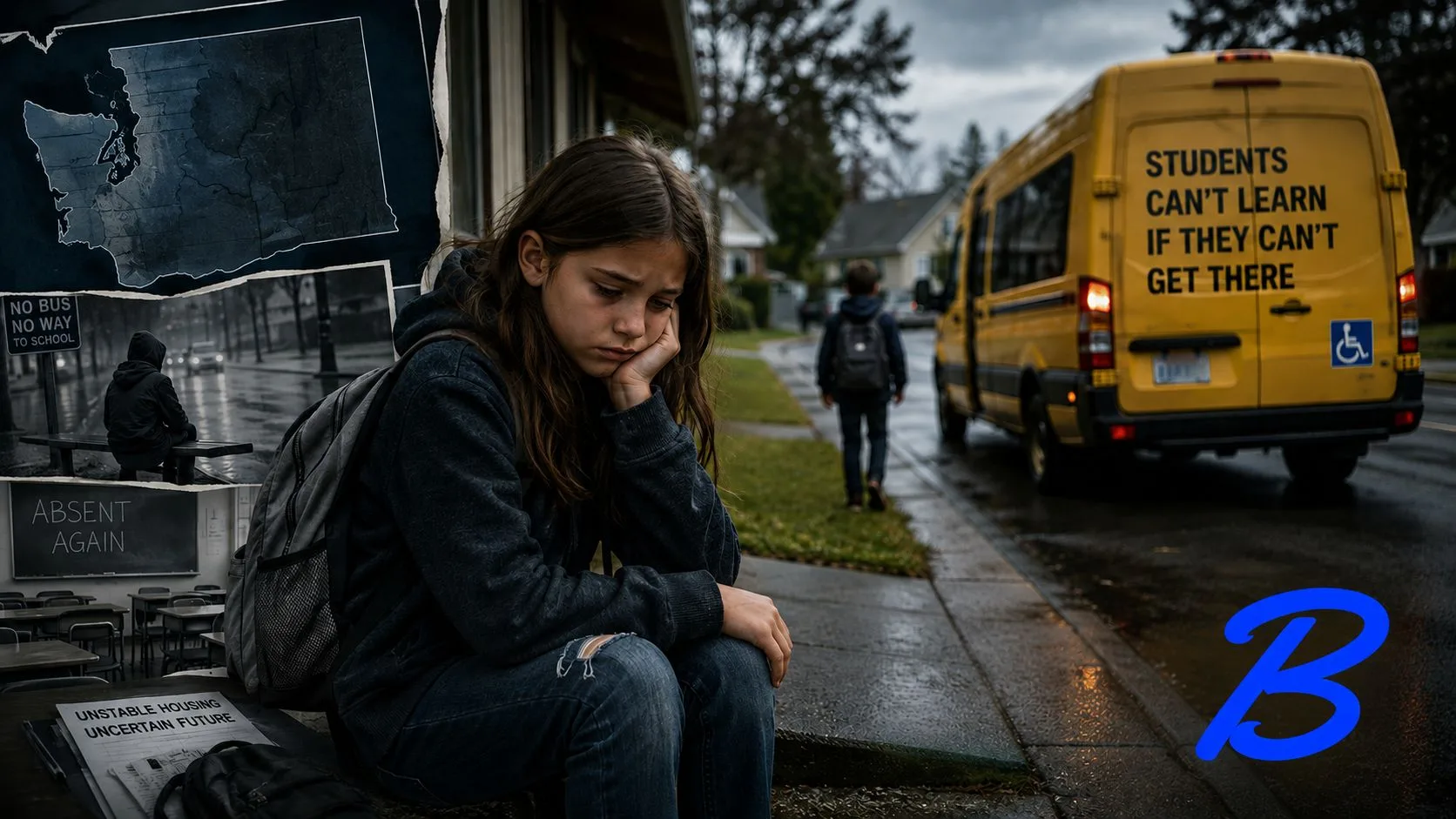
A dependable route does more than move a child between two addresses. It can preserve relationships with teachers, access to special education or counseling, participation in activities, and a sense of routine during an unstable period. Transportation cannot solve homelessness, disability barriers, or a foster care transition, but it can prevent those circumstances from causing an unnecessary loss of education.
The announcement that Beyond Ride expanded McKinney-Vento transportation support for homeless students in Washington highlights the need for qualified partners that can complement district operations when ordinary routes cannot meet a student’s circumstances.
The strongest transportation systems combine clear authority, individual planning, suitable vehicles, trained drivers, responsive communication, privacy, documentation, and continuing review. When those elements work together, school stability becomes more than a policy goal. It becomes a trip that arrives, a safe handoff, and another day of learning.