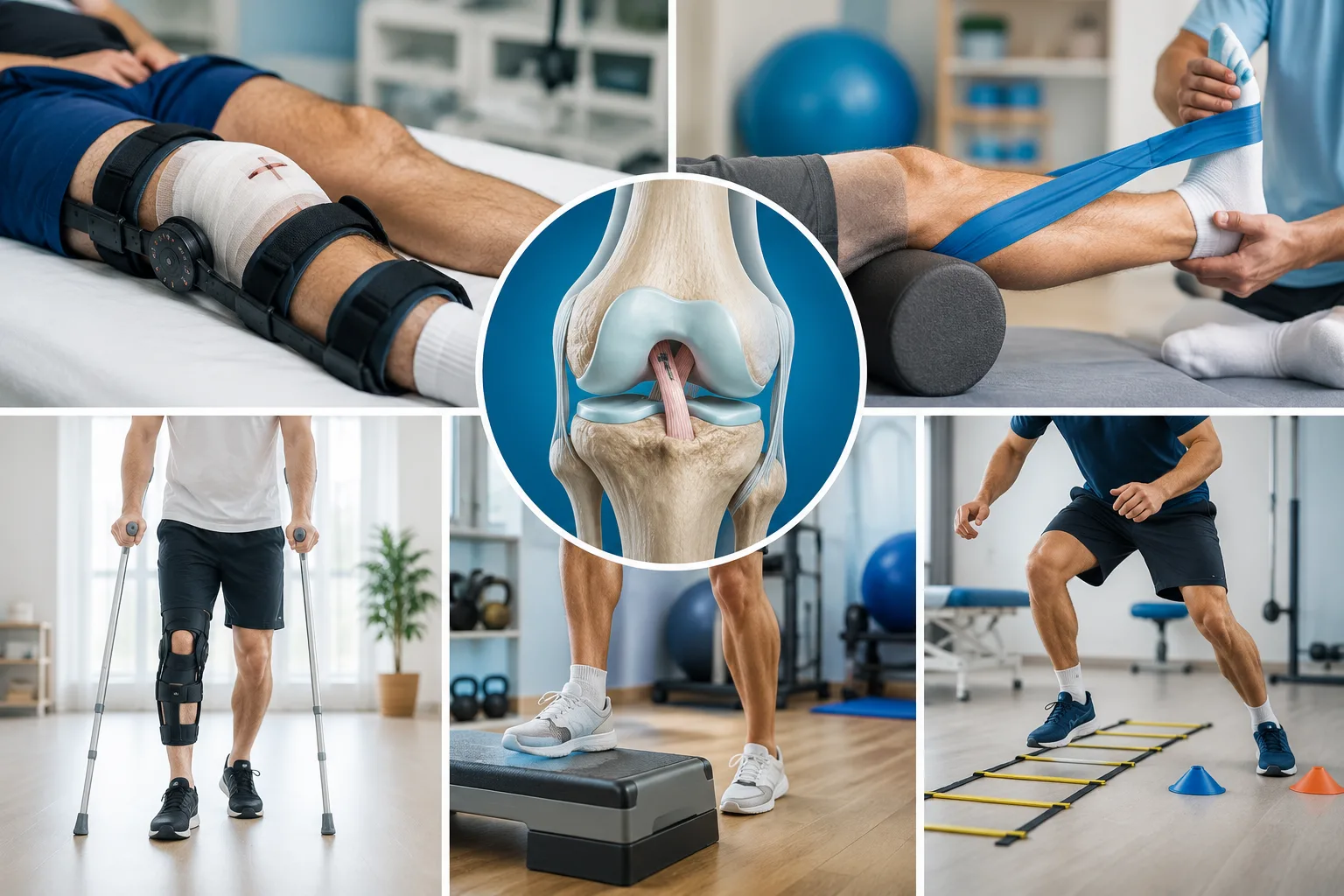
Recovering from an ACL reconstruction procedure is a journey that requires patience, discipline, and commitment. While surgery helps restore the structural stability of the knee, rehabilitation determines how well the knee functions in the long term. Understanding what to do and what to avoid After ACL Surgery is crucial for achieving the best possible outcome.
Many patients are eager to return to normal activities, but rushing the recovery process can increase the risk of complications and reinjury. A structured rehabilitation plan, guided by healthcare professionals, helps restore strength, mobility, balance, and confidence in the knee.
This guide explains the essential do's and don'ts after ACL Surgery to help ensure a safe and successful recovery.
Understanding ACL Recovery
The Anterior Cruciate Ligament (ACL) is one of the primary stabilising ligaments of the knee. During ACL reconstruction, the torn ligament is replaced with a graft that gradually heals and integrates into the body.
Recovery involves:
- Healing of the graft
- Reduction of swelling
- Restoration of mobility
- Muscle strengthening
- Balance training
- Return-to-sport preparation
The rehabilitation process often takes 9–12 months, making patience and consistency extremely important After ACL Surgery.
Why Rehabilitation Matters
Many people believe that surgery alone solves the problem.
However, rehabilitation helps:
- Restore knee stability
- Improve strength
- Reduce stiffness
- Prevent complications
- Improve confidence
- Prepare the knee for future activities
Patients who follow their rehabilitation plan carefully often achieve better outcomes and a safer return to sports and daily life.
The Do's After ACL Surgery
1. Follow Your Surgeon's Instructions
One of the most important things to do After ACL Surgery is to follow all medical advice provided by your surgeon.
Instructions may include:
- Weight-bearing restrictions
- Brace usage
- Medication schedules
- Wound care
- Activity limitations
Ignoring these recommendations can delay healing and increase complications.
2. Attend Physiotherapy Regularly
Physiotherapy is essential for successful rehabilitation.
Benefits include:
- Improved range of motion
- Increased strength
- Better balance
- Reduced stiffness
- Enhanced knee function
Regular sessions help ensure that recovery progresses safely and effectively.
3. Perform Home Exercises Consistently
Your physiotherapist will likely provide exercises to perform at home.
These exercises help:
- Maintain flexibility
- Strengthen muscles
- Improve circulation
- Prevent joint stiffness
Consistency is one of the most important factors influencing recovery After ACL Surgery.
4. Control Swelling Properly
Swelling is common during the early stages of recovery.
Effective strategies include:
Ice TherapyApply ice packs for 15–20 minutes several times daily.
ElevationKeep the leg elevated above heart level when resting.
CompressionUse compression garments if recommended.
Managing swelling helps improve comfort and mobility.
5. Focus on Nutrition
Good nutrition supports tissue healing and recovery.
Important nutrients include:
- Protein
- Vitamin C
- Vitamin D
- Calcium
- Zinc
Healthy foods can improve energy levels and support the healing process After ACL Surgery.
6. Prioritize Sleep and Rest
Sleep is essential for tissue repair.
Benefits of adequate rest include:
- Faster healing
- Reduced inflammation
- Improved recovery
- Better mental well-being
Aim for at least 7–9 hours of sleep each night.
7. Gradually Increase Activity
Recovery should progress step by step.
Patients should:
- Follow rehabilitation timelines
- Avoid sudden increases in activity
- Progress under professional supervision
Gradual progression protects the healing graft and supports long-term success.
8. Maintain a Positive Mindset
Recovery can be physically and emotionally challenging.
Patients should:
- Set realistic goals
- Celebrate small milestones
- Focus on long-term progress
Mental resilience plays a major role in recovery After ACL Surgery.
The Don'ts After ACL Surgery
1. Don't Rush the Recovery Process
One of the biggest mistakes patients make is trying to recover too quickly.
Returning to activities prematurely can:
- Stress the graft
- Cause reinjury
- Delay healing
Patience is critical throughout rehabilitation.
2. Don't Skip Physiotherapy Sessions
Missing appointments may result in:
- Reduced strength gains
- Increased stiffness
- Delayed progress
- Poor functional outcomes
Rehabilitation should remain a top priority.
3. Don't Ignore Pain and Swelling
Some discomfort is normal, but excessive symptoms should not be ignored.
Seek medical advice if you experience:
- Severe pain
- Excessive swelling
- Redness
- Fever
- Wound drainage
Monitoring symptoms helps identify potential complications early.
4. Don't Perform Unapproved Exercises
Not all exercises are appropriate during every stage of recovery.
Avoid:
- High-impact activities
- Advanced strength exercises too early
- Twisting movements
- Jumping drills without clearance
Patients recovering After ACL Surgery should only perform exercises approved by their healthcare team.
5. Don't Return to Sports Too Soon
Athletes often feel tempted to return before the knee is fully ready.
Doing so increases the risk of:
- Graft failure
- Reinjury
- Meniscus damage
- Long-term instability
Most athletes require several months of rehabilitation before safely returning to sports.
6. Don't Compare Your Recovery to Others
Every patient heals differently.
Recovery depends on factors such as:
- Age
- Fitness level
- Surgical technique
- Rehabilitation compliance
- Individual healing response
Focus on your own progress rather than comparing timelines.
7. Don't Neglect Strength Training
Strong muscles help protect the knee.
Failing to strengthen:
- Quadriceps
- Hamstrings
- Glutes
- Core muscles
can increase the risk of instability and delayed recovery.
8. Don't Ignore Follow-Up Appointments
Regular follow-up visits allow healthcare providers to:
- Assess progress
- Monitor healing
- Adjust rehabilitation plans
- Identify complications
Skipping appointments can result in missed opportunities to optimize recovery.
Common Challenges During Recovery
Patients often experience certain challenges After ACL Surgery.
Knee Stiffness
May occur if mobility exercises are neglected.
Muscle Weakness
Especially in the quadriceps and hamstrings.
Swelling
Can persist for several weeks or months.
Fear of Reinjury
Many patients feel anxious when returning to physical activities.
These challenges are normal and can be managed through proper rehabilitation.
Recovery Timeline Overview
Recovery StageTypical TimelinePain & Swelling Control1–2 weeksWalking Improvement2–6 weeksStrength Building6–12 weeksAdvanced Rehabilitation3–6 monthsSports-Specific Training6–9 monthsFull Recovery9–12 monthsUnderstanding the recovery timeline helps patients set realistic expectations.
Warning Signs That Need Medical Attention
Although most recoveries progress normally, certain symptoms require prompt evaluation.
Contact your healthcare provider if you experience:
- Fever
- Increasing redness
- Severe swelling
- Persistent wound drainage
- Calf pain
- Shortness of breath
- Severe knee pain
Early intervention helps prevent serious complications.
Returning to Sports Safely
Before returning to sports, patients should demonstrate:
- Full range of motion
- Adequate strength
- Good balance
- Knee stability
- Successful completion of functional tests
Individuals who undergo the Best ACL Surgery in Delhi NCR are often guided through structured return-to-sport protocols that prioritize safety and long-term success.
Long-Term Knee Care
Even after recovery is complete, maintaining knee health remains important.
Continue Strength Training
Strong muscles support knee stability.
Maintain a Healthy Weight
Reducing excess weight decreases stress on the knee.
Stay Active
Regular exercise helps preserve joint function.
Practice Proper Movement Mechanics
Good technique reduces the risk of future injuries.
These habits contribute to long-term success After ACL Surgery.
Conclusion
Recovering After ACL Surgery requires dedication, patience, and careful adherence to rehabilitation guidelines. Following the right do's—such as attending physiotherapy, controlling swelling, strengthening muscles, and maintaining healthy habits—can significantly improve recovery outcomes. At the same time, avoiding common mistakes such as rushing rehabilitation, skipping exercises, or returning to sports too early helps protect the healing graft.
Patients who choose the Best ACL Surgery in Delhi NCR and remain committed to a structured rehabilitation program often achieve excellent results, allowing them to regain confidence, restore knee function, and return to an active lifestyle.
FAQs
1. What is the most important thing to do after ACL surgery?
Following your rehabilitation plan and attending physiotherapy sessions consistently are among the most important steps for recovery.
2. When can I start walking after ACL surgery?
Most patients begin walking with assistance shortly after surgery and gradually progress based on their recovery.
3. Why should I avoid returning to sports too early?
Returning too soon increases the risk of graft failure, reinjury, and delayed recovery.
4. Is swelling normal after ACL surgery?
Yes, mild swelling is common and may persist for several weeks during the healing process.
5. How long does full recovery take after ACL surgery?
Most patients achieve full recovery within 9–12 months, depending on rehabilitation progress and activity goals.