Introduction: Why Is Practical Learning Important for Students?
A strong academic foundation is important, but is classroom knowledge enough to build a successful career? In today's competitive job market, students need more than textbooks, lectures, and examinations. They need opportunities to apply what they learn to real situations.
This is where the benefits of practical learning for students become especially important. Practical learning helps students connect academic concepts with real-world applications. Through projects, laboratory work, case studies, simulations, presentations, internships, workshops, and industry-oriented activities, students can develop knowledge as well as useful professional skills.
For students planning higher education in India, choosing an institution that supports practical education can make the transition from college to the workplace smoother.
What Are the Benefits of Practical Learning for Students?
Practical learning is an educational approach where students learn by doing rather than relying only on theoretical instruction. It can include experiments, fieldwork, project-based assignments, group activities, internships, problem-solving exercises, and hands-on training.
The main practical learning benefits include better understanding, stronger problem-solving abilities, improved confidence, and greater career readiness.
How Does Experiential Learning Improve Education?
Experiential learning allows students to gain knowledge through direct experience. Instead of simply memorising a concept, students get an opportunity to apply it.
For example, a management student may study marketing principles in class and then create a marketing plan as part of a project. Similarly, a science student can understand concepts more effectively by performing experiments in a laboratory.
This approach makes learning more meaningful because students can see how theoretical concepts work in practical situations.
What Skills Can Students Develop Through Hands-On Learning?
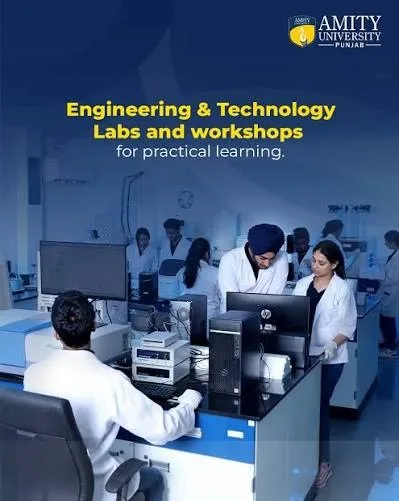
Hands-on learning can help students develop both technical and soft skills. Depending on the programme, students may work with tools, software, laboratory equipment, research methods, business cases, presentations, or creative projects.
Important skills can include:
- Problem-solving and critical thinking
- Communication and presentation
- Teamwork and collaboration
- Time management
- Research and analytical thinking
- Technical and digital skills
- Leadership and decision-making
- Creativity and innovation
- Adaptability and professional confidence
These skills can become valuable additions to a student's academic qualification when entering the professional world.
What Factors Should Students Consider Before Choosing Practical Education?
Not every programme offers the same level of practical exposure. Before selecting a university or course, students should consider the following:
- Practical curriculum: Check whether the course includes projects, laboratories, workshops, simulations, or field-based learning.
- Industry exposure: Look for opportunities that allow students to understand professional environments.
- Infrastructure: Modern laboratories, classrooms, libraries, studios, and technology can support practical education.
- Faculty guidance: Experienced faculty can help students connect theoretical concepts with practical applications.
- Internship opportunities: Internships can provide valuable exposure to workplace expectations.
- Project-based learning: Regular projects can help students build a portfolio of work.
- Skill development: Check whether the programme focuses on communication, leadership, technical abilities, and other employability skills.
- Career support: Placement assistance, career counselling, training, and professional development can complement practical education.
Students should look beyond the course title and understand how the programme prepares them for life after graduation.
Why Choose Amity Mohali University for Practical and Skill-Based Education?
For students considering higher education in Punjab, Amity Mohali University provides an environment where academic learning can be supported by practical exposure and skill development.
The university's current 2026 admission information highlights a multidisciplinary academic environment, a 40-acre campus, modern facilities, and programmes designed around outcome-based learning. It also highlights opportunities for global exposure through Study Abroad, 3-Continent and Global Study Programs.
A practical approach can be useful across disciplines. Whether a student is interested in management, computer applications, science, law, design, engineering, or another field, applying classroom concepts can make learning more relevant to future career requirements.
The university's programme information also shows a wide range of undergraduate and postgraduate programmes with programme-specific eligibility requirements.
For students, this combination of academic learning, skill development, projects, and exposure can provide a stronger foundation for higher education and career planning.
What Is the Admission Process and Eligibility at Amity Mohali?
The eligibility requirements vary according to the programme. Students should always check the latest programme-specific criteria before applying.
The current admission process generally involves these steps:
- Select a programme: Review the available courses, eligibility criteria, curriculum, and career relevance.
- Complete the application: Fill out the online application form and submit the required information and documents.
- Submit academic documents: Applicants need to provide relevant academic records and other required documents.
- Selection process: Depending on the programme and applicant profile, the selection process may include a Personal Interview.
- Receive the admission decision: Selected candidates receive an admission letter with further instructions.
- Complete admission formalities: Pay the applicable fees and complete document verification as required.
According to the current official admission information, students scoring 80% or above in Class XII in CBSE/ISC for 2025 or 2026 may be selected based on their application and may not need to appear for a Personal Interview, although exceptions apply to certain programmes.
Since eligibility can differ significantly between courses, students should verify the requirements for their chosen programme before submitting an application.
What Career Opportunities Can Practical Learning Support?
One of the biggest practical education importance factors is career readiness. Employers often look for graduates who can apply knowledge, solve problems, communicate clearly, and work effectively with others.
Practical learning can prepare students for roles across different sectors, depending on their chosen programme.
For example:
- Management students can prepare for careers in marketing, finance, human resources, operations, and entrepreneurship.
- Computer application students can build skills relevant to software, data, technology, and digital roles.
- Science students can develop research, laboratory, analytical, and technical capabilities.
- Design students can strengthen creative, portfolio-building, and project execution skills.
- Law students can develop research, communication, case analysis, and legal reasoning skills.
- Engineering students can apply technical concepts through projects, laboratories, and problem-solving activities.
The real advantage is not simply learning a skill. It is learning how to use that skill in a realistic situation.
How Can Practical Learning Improve Career Readiness?
Practical education can help reduce the gap between academic knowledge and workplace expectations. Students who regularly work on projects and practical assignments may become more comfortable handling deadlines, presenting ideas, solving problems, and collaborating with peers.
It can also help students understand their strengths and interests before they graduate. A student may enjoy studying a subject theoretically but realise through practical work that another area is a better career fit.
That experience can make career planning more informed.
Frequently Asked Questions
1. What are the benefits of practical learning for students?
The key benefits include better concept understanding, stronger problem-solving skills, improved confidence, teamwork, communication, and greater career readiness.
2. What is experiential learning?
Experiential learning is an approach where students gain knowledge and skills through direct experiences such as projects, experiments, fieldwork, simulations, and internships.
3. Why is hands-on learning important?
Hands-on learning allows students to apply theoretical knowledge in practical situations. This can improve understanding and help develop job-relevant skills.
4. What is skill-based education?
Skill-based education focuses on developing practical abilities alongside academic knowledge. It can include technical skills, communication, leadership, problem-solving, digital abilities, and professional skills.
5. Does practical learning help with career preparation?
Yes. Practical learning can help students develop workplace-oriented abilities such as teamwork, decision-making, communication, problem-solving, and project management.
6. How can students choose a practical learning-focused university?
Students should compare curricula, project work, laboratories, internships, industry exposure, faculty support, infrastructure, skill-development activities, and career services before making a decision.
Conclusion: Build Skills Along With Your Degree
A degree can open the door to career opportunities, but practical skills can help students feel prepared to walk through that door. The benefits of practical learning for students extend beyond academic performance because they can influence confidence, problem-solving ability, communication, and career readiness.
For students searching for higher education options in Punjab, choosing a university that combines academic knowledge with practical exposure can be a valuable step toward long-term career development.
If you are planning your next academic step, review the programmes, eligibility requirements, learning opportunities, and admission details at Amity Mohali University. Check the latest information and apply for admission according to the requirements of your preferred programme.