
Choosing a university program is a major decision, especially when the field combines healthcare, engineering, technology, and scientific research. Biomedical engineering has become an appealing option for students interested in developing technologies that can improve patient care and healthcare delivery.
For students considering a Biomedical Engineering University in Rwanda, looking beyond the program title is important. The curriculum, practical training, learning environment, career opportunities, and opportunities for research can all influence the value of an education.
Understand What Biomedical Engineering Covers
Biomedical engineering brings engineering principles into healthcare and life sciences. Rather than focusing only on traditional engineering, students explore how technology can help solve medical and biological challenges.
A biomedical engineering program may include subjects such as:
- Biomedical instrumentation
- Medical electronics
- Human anatomy and physiology
- Biomaterials
- Medical imaging
- Biomechanics
- Rehabilitation engineering
- Biomedical signal processing
- Healthcare technology
This multidisciplinary approach can suit students who enjoy science and mathematics but also want their future work to have a practical healthcare application.
Look Beyond the Course Name
When comparing universities, students should examine the actual curriculum rather than relying on the program name alone. A well-rounded course should balance theoretical knowledge with practical learning.
Laboratory sessions, engineering projects, technical demonstrations, and problem-solving activities can help students understand how concepts work outside the classroom. Students should also consider whether the university encourages innovation and research, as these experiences can be valuable for future employment or postgraduate study.
Consider Practical Learning Opportunities
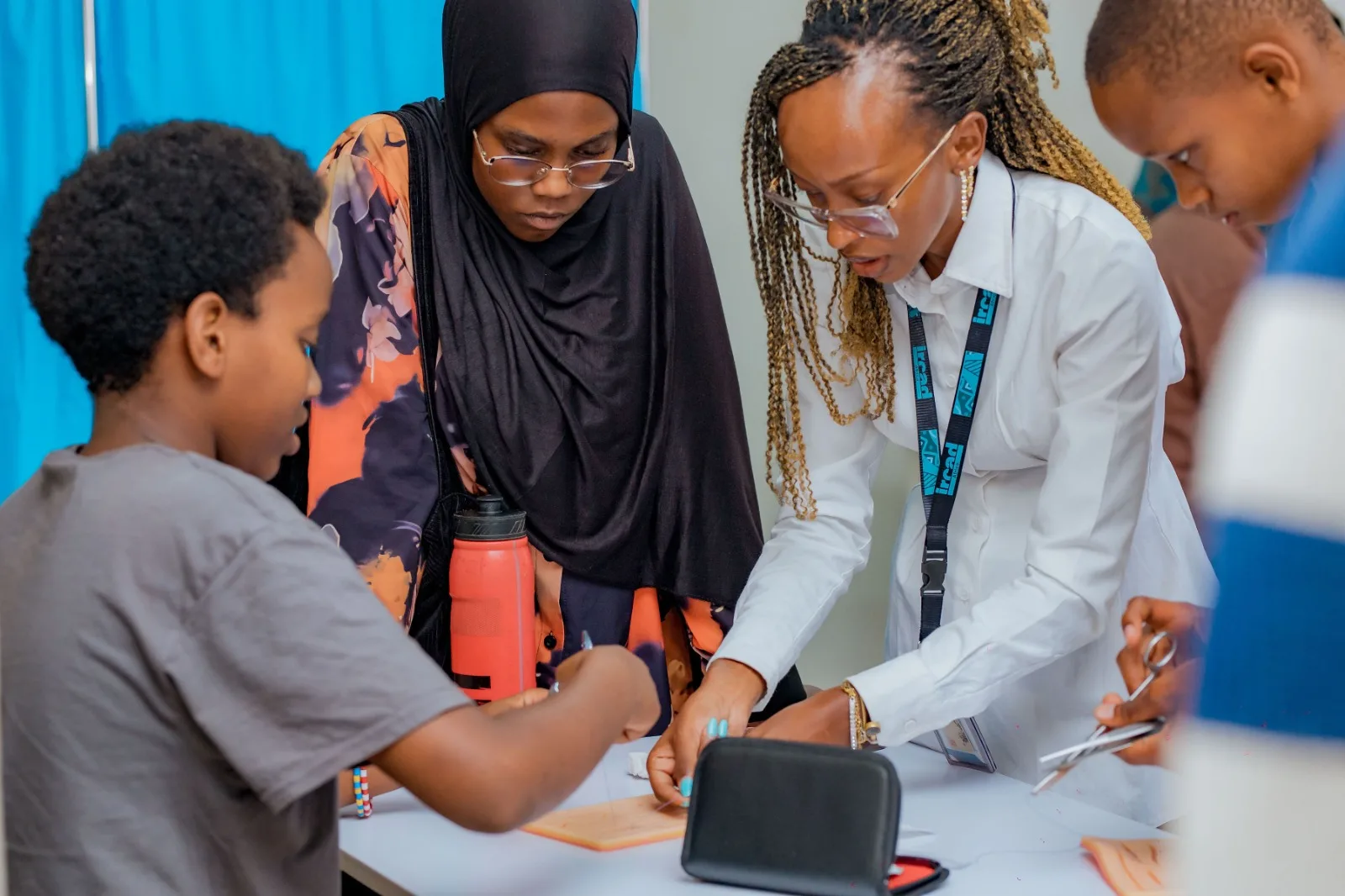
Biomedical engineering is a hands-on discipline. Understanding how medical devices, diagnostic technologies, sensors, and other healthcare systems work requires more than reading textbooks.
Students should therefore ask prospective universities about laboratory facilities, practical assignments, project-based learning, and opportunities to work with biomedical equipment. Exposure to real-world applications can help develop technical confidence and critical thinking.
Think About Future Career Options
A degree in biomedical engineering can open doors to different areas of technology and healthcare. Depending on their interests and qualifications, graduates may explore roles involving medical device development, biomedical equipment, healthcare technology, technical support, research, quality assurance, or product design.
Some students may also continue into postgraduate education and specialize in areas such as medical imaging, biomaterials, biomechanics, or biomedical electronics.
Evaluate the Learning Environment
The university experience matters just as much as the syllabus. Students should consider faculty expertise, academic support, research culture, campus facilities, and opportunities for collaboration.
An environment that encourages questions, experimentation, teamwork, and independent thinking can make it easier for students to develop both technical and professional skills.
Make an Informed Choice
Selecting a Biomedical Engineering University in Rwanda should be based on more than admission requirements or the popularity of a course. Students should compare curriculum structure, practical training, research opportunities, faculty support, facilities, and potential career pathways before making a decision.
The right program can provide a strong foundation for students who want to connect engineering innovation with healthcare needs. Prospective students should explore available biomedical engineering programs carefully, review their academic options, and contact their preferred university directly to learn more about admission and course details.