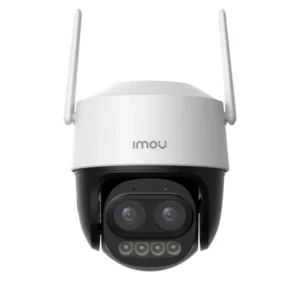
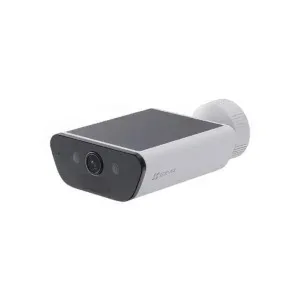
Outdoor cameras across Pakistan face a genuinely demanding combination of conditions — intense summer heat that can push well past what many electronics are designed for, heavy monsoon rainfall capable of driving water into poorly sealed housings, and dust that settles into every exposed surface during drier months. Whether a camera actually survives these conditions long-term comes down to specific, checkable factors rather than a vague assumption that "outdoor-rated" automatically means built for Pakistan's climate.
What "Weatherproof" Actually Means on a Spec Sheet
The term weatherproof gets used loosely in marketing, but the actual technical measure worth checking is the IP rating, a two-number code indicating protection against solid particles (like dust) and liquids (like rain). A security camera rated IP66 or IP67, for example, offers better protection against both dust ingress and water jets or temporary submersion meaningfully compared to a camera with a lower rating or no rating specified at all.
Checking this specific rating before buying matters more than trusting a general "outdoor use" label, since two cameras both marketed as outdoor-capable can have genuinely different actual protection levels once you look at their specific IP ratings side by side.
How Monsoon Rain Specifically Stresses Outdoor Cameras
Heavy, sustained monsoon rainfall tests a camera's housing seals in ways that occasional light rain doesn't. Water finding its way into a poorly sealed camera housing can damage internal electronics, and this kind of damage sometimes doesn't show up immediately — a camera might continue functioning for weeks after a monsoon season before moisture-related corrosion eventually causes a failure, making the connection to the original water exposure less obvious in hindsight.
Beyond the camera's own housing, cable connections at the mounting point are a commonly overlooked vulnerability. A properly sealed camera can still develop issues if the cable entry point or connector isn't adequately weatherproofed, allowing water to track along the cable into the housing even when the camera body itself is well sealed.
Why Pakistan's Summer Heat Is a Separate Challenge From Rain
Extreme heat affects cameras differently than water exposure, primarily through accelerated component wear and, in some cases, temporary performance issues during the hottest parts of the day. Cameras mounted in direct, unshaded sunlight for extended periods face higher internal operating temperatures than the same model mounted with some shade or angled away from the most intense afternoon sun.

Where possible, positioning outdoor cameras to avoid the most direct, prolonged sun exposure — under an eave, angled away from peak afternoon sun, or with a small sun shield — can meaningfully reduce heat stress compared to a camera mounted in a fully exposed position with no relief throughout the day.
Dust: The Quieter, More Gradual Threat
Unlike monsoon rain, which presents an obvious acute risk, dust accumulation is a slower, more gradual problem that's easy to overlook until it affects camera performance. Dust settling on the camera lens gradually reduces image clarity, while dust working into housing seams over months or years can eventually compromise weatherproofing that was originally adequate at installation.
Periodically cleaning outdoor camera lenses and housings, particularly after dust storms or during consistently dry stretches, helps maintain both image quality and the housing's protective seal over the camera's working life, rather than allowing dust buildup to go unaddressed indefinitely.
Night Vision Performance and Weather: A Connected Issue
Weather conditions don't just affect a camera's physical housing — they also affect how well its night vision actually performs in practice. Dust in the air scatters infrared light, reducing effective night vision range compared to clear conditions, while heavy monsoon rain or fog has a similar scattering effect on infrared illumination. Manufacturers test night vision range under controlled conditions, which rarely match what a camera actually faces once it's mounted outside during a Pakistani winter fog or a dusty pre-monsoon evening. If you're browsing night vision cctv camera price options in Pakistan, treat the listed range as a ceiling rather than a guarantee — the number on the box reflects best-case visibility, and airborne dust or moisture will pull actual performance below it on any given night.
That gap between advertised and real-world range isn't a defect specific to one brand or price bracket — it's a physical limitation of infrared light scattering through particles in the air, so no model is immune to it. Planning your camera positions with a bit of margin below the rated range, rather than assuming full performance on every night of the year, keeps expectations realistic regardless of which model you eventually choose.
Weatherproofing Considerations Specific to IP Cameras
IP camera price comparisons for outdoor-rated models should factor in the IP rating alongside the camera's other specifications, since network-connected cameras have additional vulnerable points — the Ethernet or power connector — that need proper weatherproof sealing beyond just the main camera housing. A well-rated camera body paired with a poorly sealed cable connection at the mounting point can still develop water damage, since the vulnerability shifted to the connection point rather than being eliminated.

For IP camera installations using PoE, using weatherproof-rated connectors and properly sealing the junction where the cable enters the camera housing is worth confirming with your installer specifically, rather than assuming the camera's own IP rating alone covers the entire installation.
Weatherproofing for Wide-Coverage and Rotating Cameras
Cameras covering a wide area, including a 180-degree analog camera used to monitor an open yard or wide entrance, face a specific weatherproofing consideration: their wider lens assembly and, in some designs, exposed mechanical components need consistent sealing across a larger surface area compared to a simpler fixed-lens camera. Checking that the specific wide-coverage model you're considering has genuinely adequate weatherproofing for its design, rather than assuming standard fixed-camera ratings apply equally, helps avoid choosing a unit that looks capable on paper but underperforms once exposed to genuine monsoon conditions.
Installation Choices That Support Long-Term Weather Resistance
Beyond the camera's own rating, how it's mounted affects real-world durability. A camera mounted with a slight downward tilt sheds water more effectively than one mounted perfectly level or angled upward, where water can pool against the housing. Mounting under an eave or overhang, even a small one, provides additional protection beyond the camera's own rated weatherproofing, reducing direct rain exposure without requiring a more expensive, higher-rated camera model.
Cable runs should also be planned to avoid low points where water could pool and eventually work into connectors, routing cable with a slight downward slope away from the camera housing so any water on the cable naturally drains away rather than collecting at a vulnerable connection point.
A Practical Weatherproofing Checklist
- Check the actual IP rating rather than trusting a general "outdoor" label alone.
- Seal cable connections properly, not just the main camera housing, particularly for PoE and Ethernet connections.
- Position cameras to reduce direct sun exposure where possible, using shade or angling to limit heat stress.
- Clean lenses and housings periodically, especially after dust storms or during dry, dusty stretches.
- Set realistic night vision expectations for dusty or rainy conditions rather than relying on the camera's rated range in clear weather.
- Mount with a slight downward tilt and route cabling to avoid water pooling at connection points.
Cameras genuinely can hold up well through Pakistan's monsoon and heat, but doing so consistently depends on checking real weatherproofing specifications, sealing every vulnerable connection point properly, and making sensible installation choices rather than assuming any outdoor-labeled camera will perform equally well. Treat weatherproofing as a specific, checkable requirement during planning rather than an afterthought once the rainy season has already tested your system.