
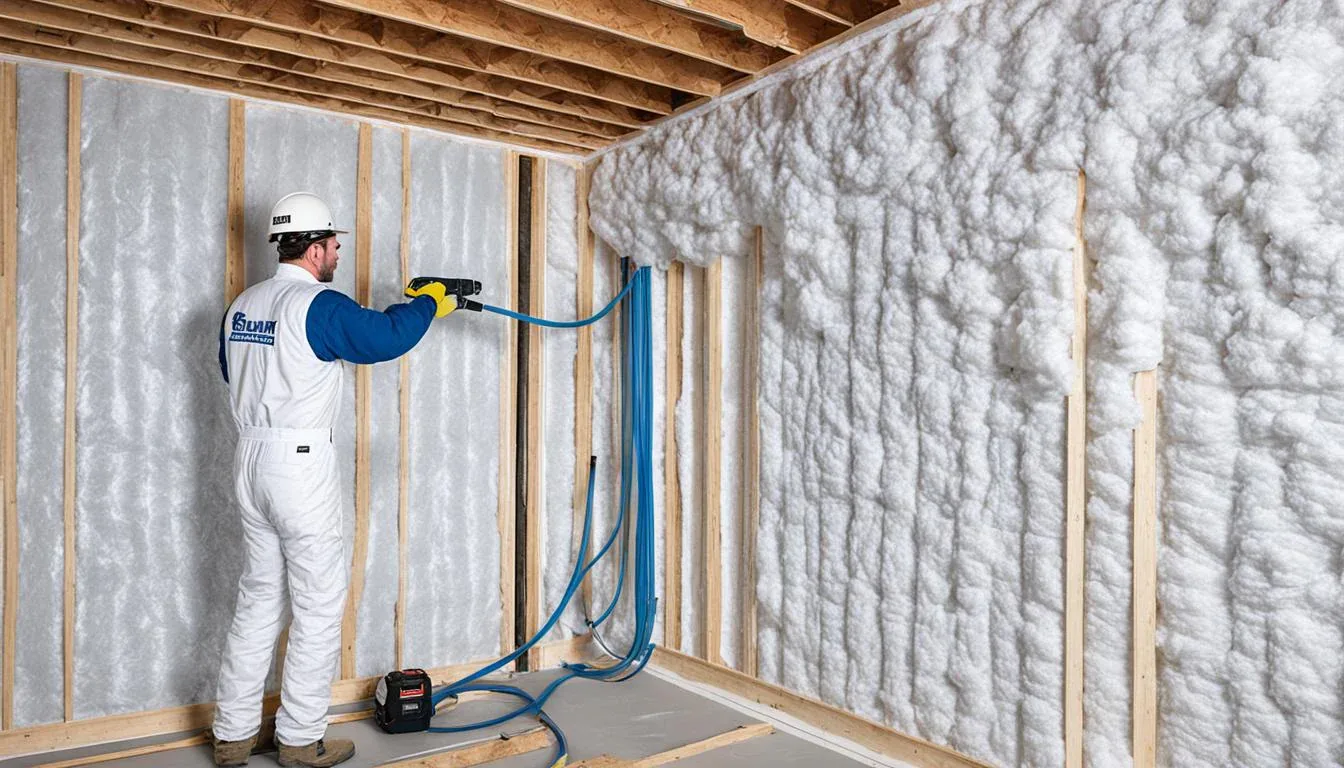
Spray foam insulation changes how air moves by creating a physical seal that stops air from passing through gaps and cracks. Through professional spray foam air sealing, they stop the natural flow of air between the inside and outside of a building. This material acts as both an insulator and a barrier against drafts.
Using this technology allows for the control of the indoor environment with high precision. It fills every corner of a space to prevent conditioned air from escaping. This guide explains how this method modifies the approach to managing the building envelope for better efficiency and comfort.
Experts in the insulation industry recognize that air leakage is a leading cause of energy waste. Proper application requires knowledge of building science to ensure air does not move where it is not wanted. This information is based on established construction practices and high-performance material standards.
Understanding the Mechanics of Air Movement in Buildings
Air moves through a building because of differences in pressure and temperature. When the air inside is warmer than the air outside, it rises and tries to escape through the top of the structure. This creates a vacuum effect that pulls cold air in through the bottom.
Traditional materials like fiberglass or cellulose are porous. They allow air movement to continue even if the spaces are full of insulation. This means heat can still travel through the walls even if the temperature rating of the material is high.
foam air sealing
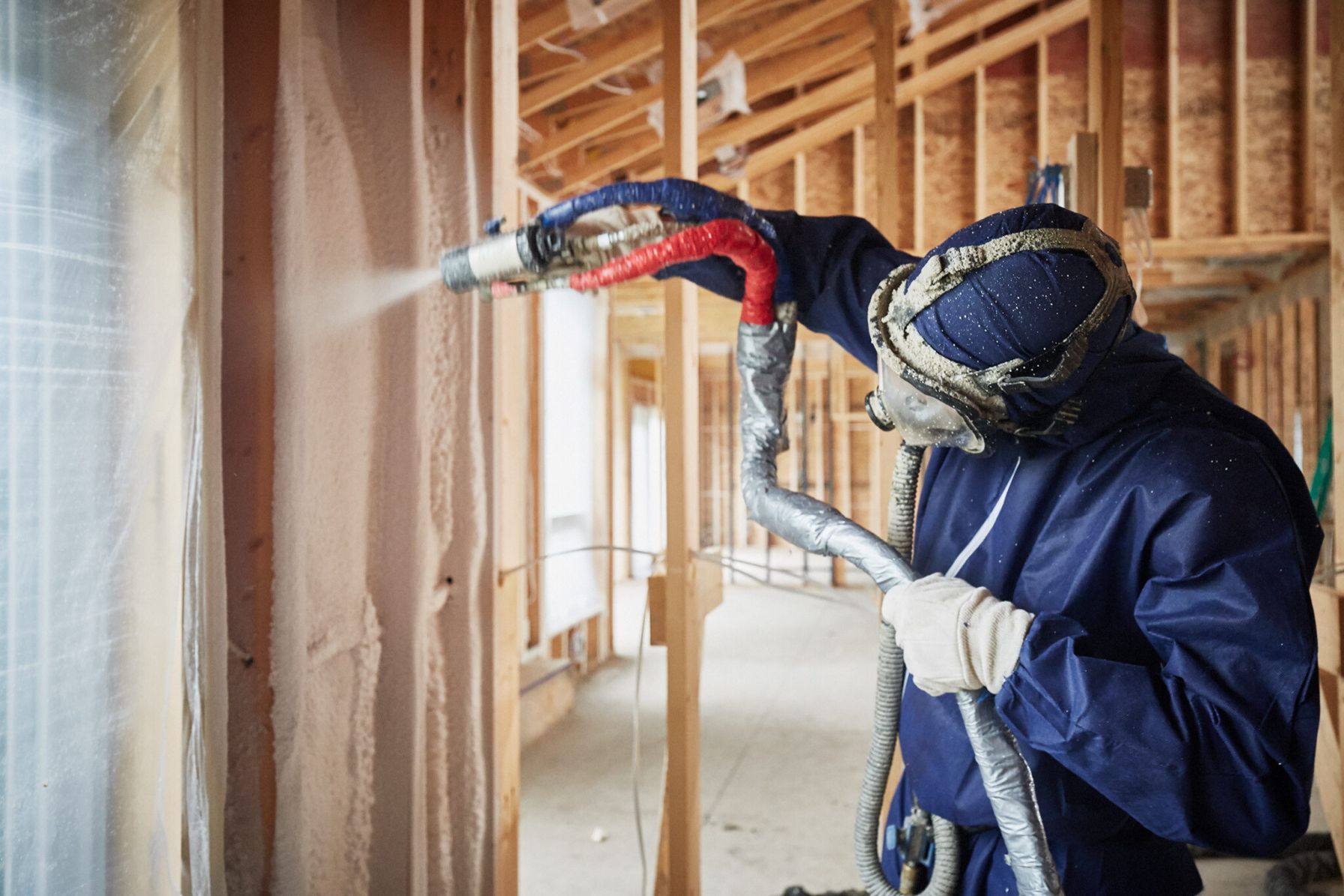
Spray Foam Air Sealing stops this process by blocking the pathways air uses to travel. Because the foam expands to many times its liquid size, it reaches into tiny crevices that other materials cannot reach. This creates a monolithic layer that air cannot penetrate.
Controlling Drafts Within Wall Cavities
Empty or poorly insulated wall cavities act like chimneys for air. Small gaps around electrical outlets and plumbing stacks allow air to move vertically and horizontally inside the walls. This movement carries dust, moisture, and heat away from living areas.
When spray foam is applied into these spaces, it sticks to the studs and the back of the drywall. This bond eliminates the empty space where air usually flows. By stopping this internal circulation, the surface temperature of the walls becomes more consistent.
Bonus Tip: Before sealing walls, property owners should ensure that all electrical wiring is up to code. Once the foam cures, accessing wires inside the wall becomes more difficult.
Managing Heat Loss in Ceiling Spaces
Attics and ceiling spaces are primary areas for energy loss. Most homes have numerous holes in the ceiling for light fixtures, fans, and attic hatches. These bypass points allow huge amounts of air to leak into the attic.
Using Spray Foam Air Sealing on the attic floor or along the roofline stops this escape. It creates a lid on the building that keeps climate-controlled air inside. This reduces the workload on air conditioning and heating systems.
Comparison of Air Sealing Performance
The following table shows how different insulation types handle airflow and longevity.
Material TypeEffectiveness at Air SealingDurabilityResistance to Air WashFiberglass BattsLowMay sag over timeVery LowBlown-in CelluloseModerateSettles with ageLowOpen Cell Spray FoamHighRemains in placeHighClosed Cell Spray FoamVery HighRigid and permanentVery High
The Role of Leakage Control in Energy Efficiency
Modern building standards prioritize leakage control to reduce environmental impact and utility costs. Research shows that air leaks can be responsible for up to 40 percent of the total energy loss in a typical home. This is equivalent to leaving a window open all year long.
By creating a tight seal, owners reduce the cycling of a furnace or air conditioner. Systems that run steadily for shorter periods last longer and require fewer repairs. This also helps in maintaining a balanced humidity level inside the property.
Regional Guidance for Desert and High Heat Climates
These building science principles are especially relevant in extreme climates. In regions like Nevada, the focus is often on keeping extreme heat and fine dust out of the home. Hot desert air exerts pressure on the building envelope, forcing its way through any available gap. This can lead to rapid heat gain during summer afternoons.
For those in these areas, sealing the attic with spray foam is especially helpful. It prevents the attic from reaching temperatures of 130 degrees or more. This lower temperature reduces the heat radiating through the ceiling into the living rooms.
How Spray Foam Affects Indoor Air Quality
When random air exchange is stopped, outdoor pollutants are also prevented from entering. Pollen, dust, and vehicle exhaust often enter buildings through the same cracks that allow air to leak. Spray foam air sealing acts as a filter by closing the door on these particles.
However, a tighter home means planned ventilation is necessary. Since the house no longer breathes through leaks, it may need a mechanical ventilation system. This ensures a fresh supply of oxygen while keeping the efficiency benefits of the seal.
Things to Think About Before Sealing Your Property
Before moving forward with a sealing project, owners should evaluate several factors. Not every building requires the same approach, and professional guidance is often necessary.
- Current Insulation Levels: Determine if old materials need to be removed first.
- Ventilation Requirements: Check if the HVAC system can handle a tighter building.
- Budget and Goals: Decide if the focus is on a single room or the whole structure.
- Moisture Management: Ensure there are no existing roof leaks before applying foam.
- Access Areas: Identify tight spots in crawlspaces or attics that need attention.
Bonus Tip: Ask a contractor for a blower door test. This test measures exactly how much air is leaking from a home before and after the insulation is installed.
Why Professional Application Matters for Air Control
Installing spray foam is a technical process that requires specialized equipment. The chemicals must be heated to specific temperatures and mixed at the correct pressure to create a stable seal. If the mix is off, the foam might not stick or expand properly.
Professional installers understand how to apply the material without creating voids. They also know how to protect the property during the process. Relying on experts ensures the material performs as expected for the life of the building.
Improving Comfort Through Consistent Temperatures
One of the most immediate changes noticed is the lack of cold spots. When air moves freely through walls, it creates drafts that make residents feel uncomfortable even if the thermostat is set high. Spray foam stops these drafts at the source.
This consistency is especially important in multi-story buildings. It prevents the temperature imbalances common in many older homes. By stabilizing the air, every room in the house becomes usable throughout the year.
Ways to Get Expert Help with Your Insulation Project
To ensure these benefits are realized, many property owners partner with experienced professionals. Supreme Spray Foam LV offers a wide range of options, including residential spray foam insulation and commercial spray foam insulation. They help determine the best way to handle spray foam air sealing for specific needs.
Whether an attic needs insulation or spray foam repairs, their team is ready to assist. Interested parties can contact them at (702) 904-9895 to discuss a project or request a free quote. For more details, an email can be sent to info@supremesprayfoamlv.com.
Summary of Air Movement Changes
Using spray foam changes the way air interacts with a building. It eliminates the porous nature of walls and ceilings, replacing it with a solid, airtight barrier. This leads to better energy efficiency, improved air quality, and more consistent indoor temperatures. Property owners should evaluate their current energy bills and comfort levels to decide if sealing a home is the right choice for long-term goals.
Common Questions About Spray Foam and Airflow
Does spray foam stop all air from entering my house?
Spray foam creates a tight seal, but it does not make a house a vacuum. It stops unmanaged leaks through the walls and roof, but air still enters through doors and windows. A mechanical ventilation system should be used to ensure fresh air circulates properly.
Can I use spray foam to seal an existing home?
Yes, it can be used in existing homes. It is often applied in attics, crawlspaces, and rim joists where leaks are most common. For finished walls, some types of foam can be injected through small holes to fill the cavities.
Will spray foam cause moisture to get trapped in my walls?
When applied correctly, spray foam helps manage moisture by stopping the flow of warm, damp air. Closed cell foam also acts as a vapor barrier. One must ensure there are no active leaks from the outside before the foam is applied.
How long does the air seal last?
Spray foam is a permanent solution. Once it cures, it does not settle, shrink, or sag like other materials. The seal it creates lasts as long as the structure of the building itself.
Is spray foam better than fiberglass for stopping wind?
Yes, it is significantly better. Fiberglass is a filter that allows air to pass through it, whereas spray foam is a solid barrier. In windy conditions, spray foam prevents the wind from washing through the insulation and pulling heat from the interior.