
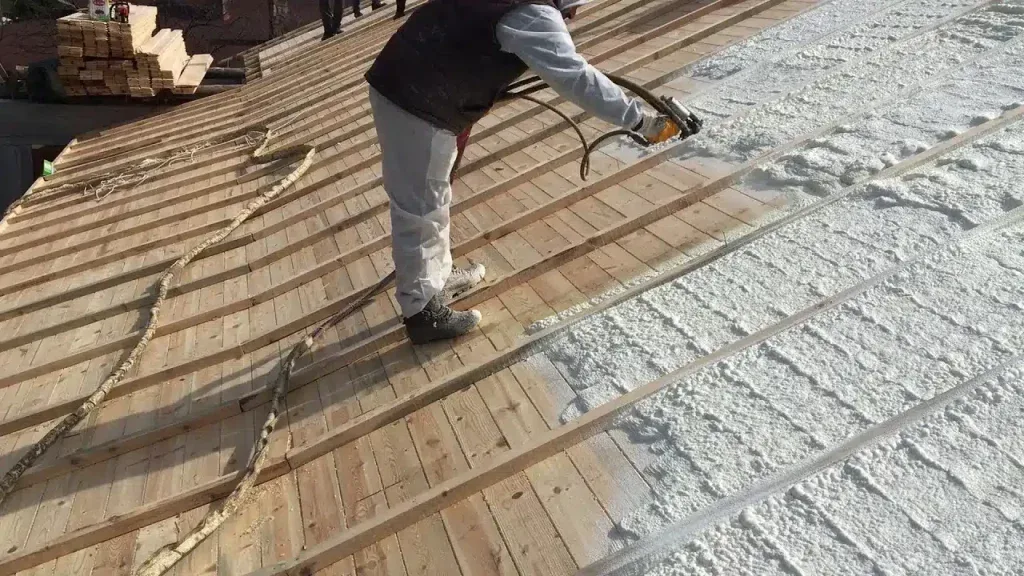
Using spray foam for noise reduction is an effective way to quiet an existing home because it seals air gaps that other materials miss. Unlike traditional fiberglass or cellulose, this material expands to fill every crack and crevice where sound waves typically travel. By creating an airtight seal, it prevents the transmission of airborne noises like traffic, sirens, and loud neighbors.
This guide looks at how this technology works for sound management in residential buildings. It covers the different types of foam, the installation process for existing structures, and how it compares to other common insulation methods. Experts agree that properly sealing a home is the first step toward a quieter living environment.
How spray foam insulation noise reduction works in older structures
Sound travels through the air and through solid objects. Most outside noise enters a home through small gaps around windows, doors, and electrical outlets. Traditional batts often leave tiny spaces where sound leaks through easily. Spray foam expands upon application, which helps block these paths effectively.
Open-cell foam works well for this purpose. It has a soft, sponge-like texture that absorbs sound waves rather than letting them bounce off or pass through. When this material is applied to walls or an attic, it creates a thick buffer that dampens vibrations before they reach the interior.
Does foam insulation reduce noise from all sources?
Homeowners often ask if foam insulation reduces noise from every type of external disturbance. The answer depends on the sound's frequency. This material is excellent at blocking high-frequency sounds like voices, birds, or whistling wind. These sounds are easily trapped by the foam's cellular structure.
Lower-frequency sounds, such as the rumble of a heavy truck or the bass from a nearby stereo, are harder to stop. These sounds create vibrations that move through the wooden framing of the house. While foam helps, it works best when combined with other methods if the goal is to eliminate heavy vibration.
Comparing common insulation materials for soundproofing
When looking into spray foam for soundproofing, there are two main options: open cell and closed cell. Open cell foam is less dense and contains more air pockets. This makes it better at absorbing sound waves. Closed cell foam is much denser and more rigid, which makes it a better thermal barrier but slightly less effective for pure acoustics.
Market data shows that open cell foam can achieve a Sound Transmission Class (STC) rating of around 37 to 39. This is higher than many uninsulated walls. Most professionals recommend open cell for interior walls and ceilings where sound control is the primary goal.
Insulation Material Performance Comparison
Material TypePrimary BenefitSound Absorption LevelBest Use CaseFiberglass BattsThermal ControlModerateNew ConstructionCelluloseEco-FriendlyHighAttic FloorsOpen Cell Spray FoamSound DampeningVery HighInterior Walls/CeilingsClosed Cell Spray FoamStructural StrengthModerateExterior Walls/FoundationsHow is soundproofing spray foam for existing walls installed?
Installing soundproofing spray foam for existing walls does not require tearing down drywall. Instead, technicians use an injection method. They drill small holes into the wall cavities, usually near the top or between studs. A specialized nozzle is then used to pump the foam into the empty space.
The foam starts as a liquid and expands to fill the entire cavity. Once the foam cures, the holes are patched and painted. This allows homeowners to upgrade an acoustic profile without the mess of a full renovation. It is a clean and efficient way to improve privacy and comfort.
Bonus Tip: Before starting an injection project, homeowners should ensure the electrical wiring is in good condition. The foam will surround the wires, so everything should be up to code first.

Improving upstairs quiet with acoustic spray foam ceiling applications
In multi-story homes, sound often travels between floors. An acoustic spray foam ceiling treatment can fix this issue. By applying a layer of open-cell foam between the floor joists, technicians create a barrier that stops the "drum effect" often heard when people walk on the floor above.
This application is also helpful for media rooms or home offices. It keeps the sound contained within the room to avoid disturbing the rest of the household. It is a popular choice for basement renovations where the ceiling is often left exposed or finished with drop tiles.
Using spray sound insulation in North Carolina climates
In regions like Raleigh, North Carolina, the weather can be humid and unpredictable. Using spray sound insulation offers the added benefit of moisture control. Unlike fiberglass, which can sag or lose its shape when damp, spray foam remains stable. This means the soundproofing stays effective for decades.
The airtight seal also helps keep out pollen and dust, which is a benefit for residents in the South. Homes become quieter, and the air stays cleaner at the same time. This dual advantage makes it a smart investment for long-term home value.
What are the benefits of sound deadening foam spray for garages?
While exterior noise is a concern, internal sources like garages also require attention. Garages are often the loudest parts of a home, especially if power tools or loud vehicles are used. Applying sound deadening foam spray to the common wall between the garage and the living area makes a significant difference. It acts as a muffler for the mechanical noises that typically bleed into a kitchen or living room.
This is also useful for laundry rooms or mechanical closets. Any room that houses noisy appliances can benefit from a foam wrap. It keeps the vibration of a washing machine or a furnace from shaking the rest of the house.
Things to consider before choosing spray foam for your home
Before deciding on a solution, it is helpful to evaluate the current state of the walls. If a home has existing loose-fill insulation, it might need to be removed before foam can be injected. This can add to the overall cost of the project.
Thickness is another factor to consider. For soundproofing, more is not always better. A specific depth is usually required to reach the desired STC rating. Consulting with a professional ensures that homeowners do not overspend on material that does not provide extra acoustic value.
- Technicians check for existing insulation in the cavities.
- Homeowners should determine the primary type of noise to block.
- The age and structural integrity of the walls must be evaluated.
- The budget should account for professional installation.
Practical steps for optimizing spray foam insulation noise reduction
To get the most out of spray foam insulation noise reduction, homeowners should also look at windows and doors. Even high-quality foam cannot stop sound if it is leaking through a thin glass pane or an unsealed door frame. Combining foam insulation with heavy curtains or weatherstripping leads to the best results.
Industry experts note that sealing just 1% of a wall's surface area can result in a 50% reduction in sound transmission if that 1% was an open air gap. This highlights why the expanding nature of foam is so effective compared to other materials.
Why professional installation is necessary for sound control
Applying these materials requires specialized equipment and training. The chemicals must be mixed at the correct temperature and pressure to expand correctly. If the mix is off, the foam may not cure properly, which can lead to odors or poor performance.
Professionals also know how to avoid over-expanding the foam, which could put pressure on the drywall. They use thermal imaging cameras to ensure that every part of the wall is filled, leaving no sound leaks. This level of precision is why most homeowners hire experienced contractors.
Summary of acoustic improvements for your residence
Choosing the right material involves looking at both thermal and acoustic needs. Spray foam insulation noise reduction provides an advantage by filling every gap and absorbing airborne sounds. Whether dealing with traffic noise or internal household sounds, this method offers a long-lasting solution that traditional materials struggle to match. By selecting a qualified provider, homeowners can ensure a house becomes a quiet sanctuary. Evaluating specific noise issues and consulting with an expert helps find the best application for walls and ceilings.

Get a free estimate for your home soundproofing project today
If homeowners are ready to make a house quieter and more energy-efficient, Raleigh Excel Spray Foam Insulation is available to help. They offer specialized services including wall insulation, attic insulation, and residential spray foam insulation tailored to specific needs. The expert team can be reached at (919) 301-9435 or via email at info@raleighexcelsprayfoam.com to discuss a project. Whether the need is for closed-cell or open-cell solutions, they provide the professional guidance required for a successful installation. Contact them today for a free quote and take the first step toward a more comfortable living space.
Common questions about home soundproofing and insulation
How much noise reduction can homeowners expect from spray foam?
Most homeowners notice a significant decrease in airborne sounds, often reaching up to a 40% to 50% reduction in perceived noise. The exact amount depends on the thickness of the foam and the existing structure of the walls.
Is open cell or closed cell foam better for sound?
Open cell foam is generally better for sound absorption because its flexible, porous structure traps sound waves. Closed-cell foam is denser and better for structural strength but reflects more sound than open-cell.
Will spray foam stop a floor from creaking?
While spray foam is excellent for blocking air-traveling sound, it is not a structural fix for squeaky floorboards. However, it can dampen the sound of footsteps and reduce the echo between floors.
Can homeowners install spray foam themselves?
DIY kits exist, but for existing walls, professional injection is recommended. Professionals have the equipment to ensure the foam fills the cavity completely without damaging the drywall or leaving empty pockets where sound can leak.
How long does the soundproofing effect last?
Spray foam is a permanent solution. Once it cures, it does not shrink, sag, or degrade. As long as the structure of the home remains intact, the sound-dampening properties remain effective for decades.