What these systems do, why they thrive in the high desert, and how a quality installation turns abundant sunshine into year-round savings
The heart of any solar thermal system is a device that most homeowners rarely think about until they start exploring clean energy: the solar collector. This is the component that actually captures the sun's warmth and puts it to work heating your water or your home. In a place like Taos, where clear skies and intense high-altitude sunlight are the norm, understanding how collectors work and what goes into installing them properly can help you make a confident, well-informed investment.
What a Solar Collector Actually Does
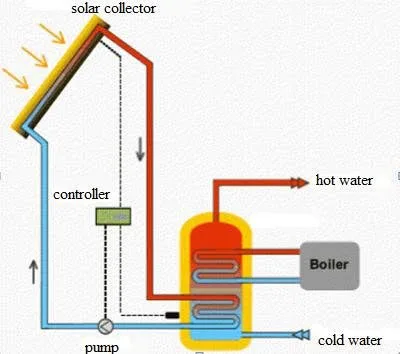
A solar collector is deceptively simple in appearance but ingenious in function. Mounted on your roof or another sun-facing surface, it absorbs sunlight and converts it into heat, which is then transferred to a fluid circulating through the system. That heated fluid carries its energy to a storage tank, where it warms your domestic hot water or feeds a radiant floor heating system. Unlike photovoltaic panels that generate electricity, collectors deliver heat directly, which makes them exceptionally efficient for the tasks they handle.
There are a few common types worth knowing. Flat-plate collectors, the most widely used, consist of an insulated box with a dark absorber plate beneath a glazed cover, offering durability and strong performance at a reasonable cost. Evacuated-tube collectors use rows of glass tubes with a vacuum layer that minimizes heat loss, making them especially effective in cold climates and on chilly mountain mornings. The right choice depends on your climate, your heating goals, and your budget, and an experienced installer can help you weigh the options.
Why Taos Is Ideal Territory
At roughly 7,000 feet in the foothills of the Sangre de Cristo Mountains, Taos offers close to perfect conditions for solar collection. The thin, clean air at this elevation allows more solar radiation to reach the ground than at lower altitudes, and the region enjoys clear skies for the large majority of the year. Even in the depths of winter, when nighttime temperatures fall well below freezing, the daytime sun remains strong and productive.
Cold weather, far from being a problem, actually works in a collector's favor when the system is designed correctly. Modern closed-loop systems circulate a non-toxic antifreeze fluid that protects the collectors during freezing nights, while evacuated-tube designs excel at retaining heat in cold air. The result is a system that keeps producing usable warmth through the coldest months, exactly when a home needs it most.
The Installation Makes the Difference
Even the finest equipment underperforms if it isn't installed thoughtfully, which is why quality solar collector installation in Taos matters so much. Proper placement is everything: collectors should face as close to true south as possible and remain free of shading from trees, chimneys, or neighboring structures throughout the day and across the seasons. The mounting angle must be optimized for the local latitude to capture the most sunlight year-round, and the array should be securely anchored to withstand mountain wind and snow loads.
Beyond positioning, a skilled installer ensures the plumbing connections, circulation pump, controls, and storage tank all work together seamlessly. Correct fluid charging, proper insulation of the lines, and careful system commissioning are what separate a setup that merely functions from one that delivers its full potential for decades. An installer familiar with high-altitude conditions understands how to account for the region's freeze-thaw cycles, intense UV exposure, and heavy winter sun.
Sizing Your System
A collector array that is too small won't meet your household's needs, while one that is oversized wastes money on unused capacity. Getting the sizing right requires evaluating how much hot water your household uses, whether you intend to heat living spaces as well, and how your roof is oriented. Many Taos homeowners opt for an integrated system that supplies both domestic hot water and radiant floor heating, maximizing the value of a single installation.
Incentives That Improve the Math
The financial case for solar collectors has rarely been stronger. The federal residential clean energy tax credit allows homeowners to claim a meaningful percentage of the total installed cost of a qualifying solar thermal system. State programs and utility rebates may add further savings, shrinking the payback period considerably. Because these incentives change over time, it's worth confirming current eligibility with a tax professional, but the present landscape rewards homeowners ready to make the switch.
A Sound Investment in Mountain Living
Few home upgrades align so naturally with the environment as a solar collector array in a town this sunny. The technology is proven, the climate is ideal, and the long-term savings are substantial. For homeowners ready to explore what the right system looks like on their own roof, Solar Wise LLC brings the regional knowledge, careful design, and quality installation that turn abundant Taos sunshine into dependable, lasting warmth.