
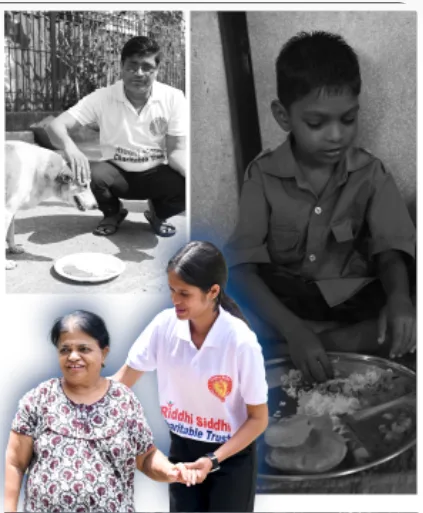
In today’s rapidly changing world, a charitable trust plays a vital role in addressing social, educational, environmental, and healthcare-related challenges. These organizations work to uplift underprivileged communities, support vulnerable individuals, and create long-term social development through structured welfare initiatives. Across India and many other countries, trusts have become an essential part of the nonprofit ecosystem, helping bridge the gap between public needs and available resources.
The rise in social awareness, corporate social responsibility programs, and digital fundraising platforms has significantly increased public participation in philanthropy. According to recent nonprofit sector reports in India, donations toward education, healthcare, child welfare, and elderly care have seen noticeable growth over the last few years. Many individuals are now choosing organized social institutions to ensure their contributions reach people in need effectively and transparently.
Understanding the Purpose of Social Welfare Organizations
These institutions are generally formed to serve public interests rather than generate profits. Their objectives often include providing educational assistance, medical support, food distribution, disaster relief, women empowerment programs, rural development, and environmental conservation. Some organizations also focus on skill development and employment opportunities for economically weaker sections.
The primary aim is to create sustainable social change instead of temporary relief. For example, instead of only distributing food, many groups now invest in vocational training, healthcare awareness, and educational scholarships to improve long-term living conditions.
Importance of Healthcare and Medical Assistance
Access to quality healthcare remains a major concern in many rural and semi-urban regions. Nonprofit institutions frequently organize free health check-up camps, blood donation drives, awareness campaigns, and medicine distribution programs to support underserved communities.
Recent studies indicate that healthcare inflation in India continues to rise annually, making medical treatment difficult for lower-income families. Social organizations help reduce this burden by collaborating with hospitals, volunteers, and healthcare professionals to provide affordable or free medical services.
Many initiatives also focus on maternal health, child nutrition, mental health awareness, and support for senior citizens. These efforts contribute to improved public health outcomes and stronger community well-being.
Educational Support and Skill Development
Education remains one of the strongest tools for social transformation. Various nonprofit groups support students through scholarships, school supplies, digital learning resources, and mentorship programs. In rural areas, many children still face challenges such as lack of infrastructure, transportation issues, and limited access to technology.
Skill development programs are also becoming increasingly important. Training in computer literacy, tailoring, handicrafts, entrepreneurship, and vocational skills helps individuals become financially independent. This approach not only improves household income but also promotes self-confidence and social inclusion.
Government data and independent surveys have shown that employability-focused training programs can significantly improve job opportunities for youth, especially in underserved regions.
Role in Women Empowerment
Women empowerment initiatives are a major focus area for many welfare institutions. These programs may include self-help groups, financial literacy workshops, healthcare awareness campaigns, and small business training opportunities.
Economic independence among women has a direct impact on family welfare, children’s education, and community development. Support systems that encourage leadership, education, and entrepreneurship among women contribute to broader social progress.
In recent years, digital education and online marketplaces have also opened new opportunities for women-led micro-enterprises in both urban and rural areas.
Environmental and Community Development Initiatives
Environmental protection has become another important area of social work. Tree plantation drives, waste management awareness, water conservation programs, and clean-energy initiatives are increasingly common among nonprofit activities.
Community development projects often include sanitation programs, clean drinking water access, road improvement support, and housing assistance. These initiatives help improve living standards while encouraging local participation and responsibility.
Climate change and environmental degradation continue to impact vulnerable communities the most. Sustainable community-focused programs can help reduce long-term risks while promoting healthier living conditions.
Digital Transformation in the Nonprofit Sector
Technology has transformed the way social organizations operate. Online donation systems, crowdfunding platforms, social media awareness campaigns, and digital volunteer networks have expanded the reach of welfare initiatives.
Transparency has also improved through digital reporting, online audits, and impact tracking systems. Donors today prefer organizations that provide clear updates regarding fund utilization and project outcomes.
Artificial intelligence, data analysis, and digital communication tools are now helping institutions identify urgent needs faster and coordinate relief efforts more efficiently during emergencies and natural disasters.
Challenges Faced by Welfare Institutions
Despite their positive impact, many organizations continue to face financial and operational challenges. Limited funding, volunteer shortages, regulatory compliance requirements, and lack of infrastructure can affect the scale of operations.
Building long-term donor trust remains essential. Accountability, transparency, and effective project management play a crucial role in maintaining public confidence and ensuring sustainable growth.
Additionally, organizations working in remote areas often face logistical difficulties, limited internet access, and shortages of trained professionals.
Conclusion
Social welfare institutions continue to play a significant role in improving lives and strengthening communities. Through healthcare support, educational initiatives, women empowerment programs, environmental awareness, and skill development activities, these organizations contribute to meaningful and lasting social change.
As public awareness grows and digital technology becomes more accessible, the future of community-driven development looks increasingly promising. Collective participation from individuals, volunteers, professionals, and institutions can help create a more inclusive, compassionate, and sustainable society for future generations.