Chinese Tuition for Primary Students in Singapore: Building Strong Foundations for Success
In Singapore’s bilingual education system, Chinese holds a special place as the Mother Tongue for many families. From Primary 1 to Primary 6, students are expected to develop listening, speaking, reading, and writing skills that are tested rigorously, especially during the Primary School Leaving Examination (PSLE). While schools provide a solid foundation, many children need extra support to master the language confidently. This is where quality Chinese tuition for primary students becomes valuable.
Many primary students find Chinese challenging. Characters can be difficult to remember, sentence structures feel unfamiliar, and oral examinations create anxiety. When Chinese is not spoken regularly at home, progress in school often slows. Tuition bridges this gap by offering focused, personalised guidance that classroom teaching alone cannot always provide.
Effective Chinese tuition programmes concentrate on four key areas. First, they strengthen foundational skills such as hanyu pinyin, stroke order, and vocabulary building. Second, they train students in reading comprehension and composition writing using techniques suited to the primary syllabus. Third, tutors conduct regular oral practice so children become more fluent and less nervous during conversations and picture discussions. Fourth, they prepare students specifically for PSLE formats, teaching time management and answering strategies.
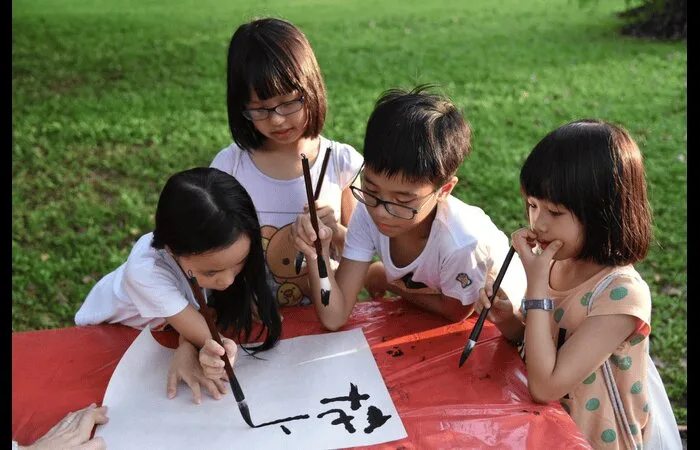
Good tuition centres and tutors use interactive methods to keep young learners engaged. Storytelling, games, multimedia resources, and group discussions make lessons enjoyable rather than stressful. Small class sizes or one-to-one sessions allow tutors to address each child’s weaknesses quickly. Regular assessments and clear feedback also help parents track progress and stay involved in their child’s learning journey.
Beyond exam results, Chinese tuition offers long-term benefits. Students who receive consistent support often develop greater confidence in using the language both inside and outside the classroom. They begin to appreciate Chinese culture more deeply and carry stronger language skills into secondary school. In a competitive education landscape, this early advantage can make a meaningful difference.
Parents looking for Chinese tuition in Singapore should prioritise experienced tutors familiar with the current primary curriculum, a structured yet flexible teaching approach, and a positive learning environment. Early intervention in the primary years yields the best results, as habits and confidence built at this stage tend to last.
In summary, Chinese tuition for primary students is not merely about improving grades. It is an investment in communication skills, cultural understanding, and academic readiness. With the right guidance, children can move from struggling with Chinese to approaching the subject with clarity and confidence, setting them up for success in Singapore’s bilingual society.