
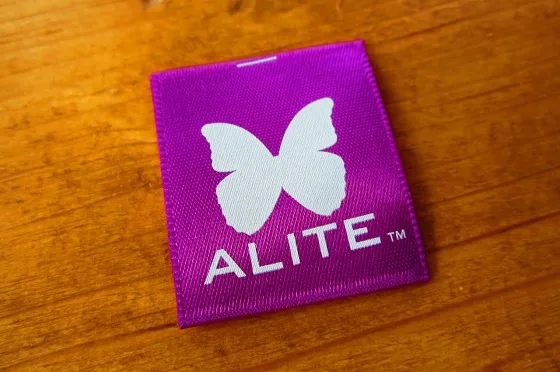
Printed Labels Manufacturers
Clothing labels play a much bigger role than many people realize. Beyond displaying a brand name, they communicate essential information such as fabric composition, care instructions, sizing, and country of origin. As apparel standards continue to evolve, businesses and consumers alike expect labels that are durable, easy to read, and visually appealing. This is why Printed Labels Manufacturers remain an important part of the textile and fashion supply chain, helping businesses create labels that meet practical and regulatory requirements.
Whether producing garments for retail, uniforms, sportswear, or fashion collections, selecting the right type of printed label can improve product presentation and user experience. Different materials, printing techniques, and finishing methods are available to suit various clothing applications while maintaining readability over repeated washing and regular use.
Why Printed Labels Matter
Printed labels provide valuable information that benefits manufacturers, retailers, and consumers. A well-designed label serves as a reliable source of product details while contributing to a garment's overall appearance.
Some common purposes of printed labels include:
- Product Identification – Labels display important information such as brand names, style numbers, and product categories. This helps businesses organize inventory while making it easier for customers to recognize products.
- Care Instructions – Proper washing, drying, ironing, and maintenance guidelines help extend the life of clothing. Clearly printed instructions reduce the risk of accidental damage during garment care.
- Fabric Information – Labels often identify the materials used in production, allowing customers to understand the garment's composition before purchasing or wearing it.
- Size Information – Easy-to-read sizing helps customers select garments that fit correctly, reducing confusion during shopping.
- Compliance Requirements – Many markets require clothing labels to include mandatory information that supports consumer awareness and product transparency.
Common Materials Used for Printed Labels
The choice of material depends on garment type, comfort, durability, and intended use.
Satin Labels
Satin labels offer a smooth texture that feels comfortable against the skin. They are commonly selected for premium apparel, sleepwear, baby clothing, and delicate garments where softness is a priority.
Cotton Labels
Cotton labels provide a natural appearance and are often chosen for eco-conscious clothing collections. Their soft finish makes them suitable for casual wear and handmade products.
Polyester Labels
Polyester labels are known for their strength and resistance to moisture, frequent washing, and general wear. They are widely used in uniforms, sportswear, and workwear.
Nylon Labels
Nylon materials provide flexibility and durability, making them appropriate for outdoor clothing, bags, accessories, and industrial garments exposed to demanding conditions.
Printing Technologies Used
Modern label production uses several printing methods depending on design complexity and production volume.
Screen Printing
Screen printing produces bold colors and excellent durability. It works well for simple graphics and large production runs where consistency is important.
Flexographic Printing
Flexographic printing supports efficient high-volume production with consistent print quality. It is commonly used for commercial label manufacturing.
Digital Printing
Digital printing allows greater flexibility for shorter production runs and customized designs. Businesses can update artwork quickly without creating new printing plates.
Thermal Transfer Printing
Thermal transfer technology creates durable text and graphics that resist fading, making it suitable for labels containing barcodes, serial numbers, or detailed product information.
Factors to Consider When Selecting Labels
Every clothing product has different labeling needs. Choosing the appropriate label involves evaluating several practical factors.
- Durability – Labels should remain readable after repeated washing, drying, and everyday use to ensure information stays available throughout the garment's life.
- Comfort – Soft materials help minimize irritation, especially for garments worn directly against the skin or by children.
- Print Quality – Sharp printing improves readability and maintains a professional appearance over time.
- Application Method – Labels may be sewn, folded, or heat applied depending on garment construction and manufacturing preferences.
The Growing Demand for Quality Labels
Consumers increasingly expect garments to include accurate, long-lasting information. As a result, businesses continue exploring solutions such as High Quality Custom Clothing Labels that combine durability, comfort, and clear printing. Reliable labeling supports better product identification while helping clothing remain informative throughout its usable life.