
A product does not always get noticed because of its size or design. Sometimes, it is the small details that make the difference. A marker buried above a utility line, a plastic component that needs to fit neatly into a larger assembly, or a roll of printed tape used to seal hundreds of parcels can all affect how smoothly a job gets done.
For businesses working in construction, manufacturing, packaging and distribution, choosing the right materials is part of everyday planning. The requirements may be quite different, but the aim is much the same: find something that does its job reliably without creating extra work later.
Making Underground Services Easier to Identify
Digging work can become complicated when the location of underground cables and pipes is unclear. Before excavation begins, contractors need to understand what services may be present and how to identify them. Clear marking systems can help reduce confusion during future maintenance and construction work.
Businesses looking for Cable and Utility Markers Christchurch may need products for civil construction, electrical work, telecommunications or infrastructure projects. The appropriate marker depends on the application, the installation environment and the information that needs to remain visible or identifiable.
Some markers are designed to be placed underground, while others are used to identify services at ground level or along a route. Their purpose is to provide a useful reference for workers who may return to the site months or years later.
It is important to remember that markers are only one part of safe excavation. They should be used alongside current service plans, appropriate locating equipment and the required site checks. A marker should never be treated as proof that an area is clear for digging.
For contractors managing several sites, using a consistent marking system can also make handovers easier. Workers are less likely to waste time trying to interpret different labels or identify what a particular marker refers to.
When Standard Plastic Components Do Not Fit the Job
Manufacturing rarely works on a one-size-fits-all basis. A component may need a particular shape to fit into a machine, cover an exposed edge or guide another part through an assembly. If standard profiles do not meet those requirements, a custom-made solution may be worth considering.
Custom Extrusions New Zealand is a useful search for businesses looking for profiles made to specific dimensions or designs. Extrusion involves pushing material through a shaped opening to produce a continuous profile. Depending on the application, materials such as plastics can be formed into shapes used for edging, guides, seals, covers and other components.
Before requesting a custom extrusion, it helps to have a clear drawing or sample of the required profile. Dimensions, tolerances, material properties and the conditions in which the component will be used can all affect the final design.
For example, a profile intended for outdoor use may need to withstand sunlight and changing temperatures. A component used in a production line may need to maintain its shape under repeated contact or movement.
It is also worth discussing order quantities and production costs early. A design that works well for a large production run may not be economical for a very small batch. Getting these details sorted before manufacturing begins can reduce the risk of expensive changes later.
Printed Tape Has a Job Beyond Sealing a Box
Walk through a warehouse or look at a stack of outgoing parcels and you will often see tape doing more than holding cardboard together. It can display a company name, carry handling instructions or help identify different products during packing and dispatch.
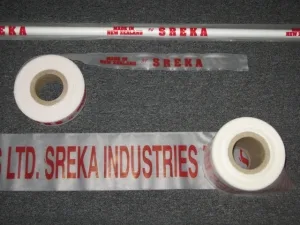
For businesses searching for Printed Tapes in Auckland, the right option depends on how the tape will be used. A company sending products directly to customers may want branded packaging, while a warehouse might need tape that identifies particular cartons or communicates handling information.
Artwork needs some thought before printing. Small text can become difficult to read, and a busy design may lose its impact when repeated along a narrow strip. Keeping the message clear and the branding consistent usually produces a more useful result.
Adhesion matters just as much as appearance. The tape should suit the packaging material and the conditions it will face during storage and transport. If cartons are kept in cold, damp or dusty environments, ask the supplier which product is appropriate rather than assuming every tape will perform the same way.
Ordering a sample or checking a proof before committing to a large run can also help catch problems with colours, wording and layout.
Get the Specifications Right Before Ordering
Markers, extrusions and printed tapes serve different purposes, but all three benefit from a little preparation. Know where the product will be used, what it needs to withstand and which dimensions or printing details matter most.
A clear brief makes it easier for a supplier to recommend a suitable option and provide an accurate quotation. It can also prevent delays caused by incorrect measurements, unsuitable materials or artwork that needs to be redone.
In many business purchases, the cheapest option is not necessarily the one that costs least over time. A product that fits properly, remains fit for purpose and performs consistently can save far more effort than one that needs frequent replacement.