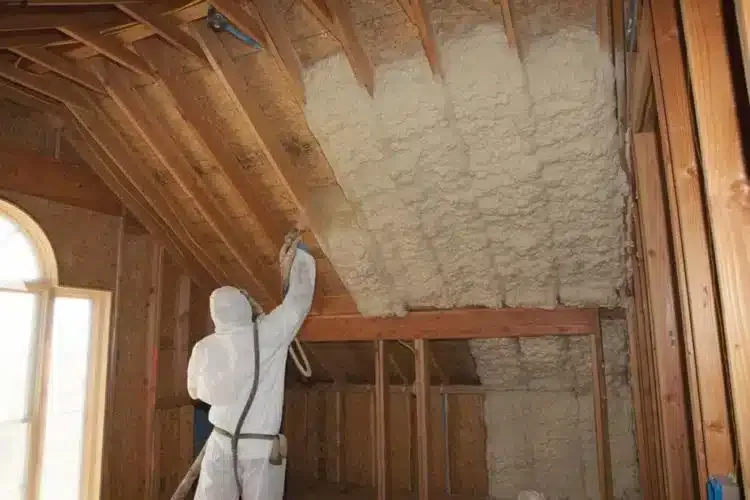
Selecting the right spray foam insulation requires matching open-cell or closed-cell formulations to your regional environment. Cold, wet zones require dense closed-cell products to block moisture penetration, whereas mild or dry regions often benefit from lighter open-cell materials that cost less while blocking drafts effectively.
Choosing the right structural thermal envelope reduces energy waste and stabilizes indoor temperatures throughout the year. Data show that proper thermal upgrades reduce heating and cooling expenses by an average of 15 percent across all regional weather zones. Field observations show that air leakage accounts for roughly 40 percent of total energy lost in residential structures.
Which Insulation Type Suits Your Local Weather
Your geographic location dictates how heat moves through walls, roofs, and crawl spaces during seasonal shifts. Severe outdoor temperatures create high thermal pressure, forcing conditioned indoor air out through minor structural cracks.
In regions with heavy rainfall or high humidity, air carries moisture into structural cavities. Without adequate thermal protection, this vapor condenses, leading to wood rot, mold growth, and reduced efficiency.
Proper climate-based insulation addresses these regional challenges directly by blocking heat transfer and vapor migration:
- Cold Climates: Stops warm indoor air from leaking into cold attics and forming destructive ice dams on roof lines.
- Hot Climates: Blocks radiant attic heat from pushing down into living areas during summer afternoons.
- Mixed Climates: Balances seasonal humidity shifts without trapping liquid inside exterior wall studs.
- High-Humidity Zones: Acts as a continuous air seal to prevent internal condensation buildup.

Comparing Open-Cell and Closed-Cell Formulas
Understanding the physical differences between open-cell and closed-cell options helps property owners pick the correct product for their specific region. Open-cell material expands rapidly to fill structural gaps, while closed-cell material cures into a dense structure that resists liquid water.
The choice depends on whether your structure requires extra racking strength, liquid water resistance, or high thermal performance within narrow wall studs.
Technical Characteristics Comparison
FeatureOpen-Cell FoamClosed-Cell FoamR-Value Per InchR-3.5 to R-3.8R-6.0 to R-7.0Vapor PermeabilityVapor PermeableVapor ImpermeableMaterial Density~0.5 lbs per cubic foot~2.0 lbs per cubic footStructural SupportFlexible / Non-StructuralHigh / Adds structural rigidityIdeal Climate MatchWarm, Dry, or Moderate ZonesCold, Wet, or Flood-Prone ZonesThese technical performance metrics translate directly into distinct practical advantages depending on the room environment. Open-cell material works exceptionally well inside interior wall cavity bays to dampen sound transmission between rooms. Its porous composition allows trapped moisture to dry outward in dry, arid environments.
Closed-cell options yield nearly double the thermal resistance per inch compared to open-cell alternatives. This high density makes closed-cell formulations ideal for thin wall cavities found in older framing or basement masonry walls.
Selecting Thermal Protection for Cold and Damp Climates
Cold climates demand high resistance to heat loss combined with reliable moisture defense. Freezing rain and heavy snow accumulation create serious moisture risks around rim joists, crawl spaces, and exterior walls.
In these environments, installing dense spray foam insulation provides both an insulating layer and a built-in vapor barrier. Closed-cell foam prevents interior humidity from reaching cold wall sheathing where it would otherwise condense into standing water.
Effective thermal protection in cold regions relies on complete envelope seal integrity:
- Sealing floor joist ends along foundation walls to stop cold draft entry.
- Insulating crawl space interiors to protect plumbing pipes from freezing temperatures.
- Blocking attic air pathways to maintain low roof surface temperatures throughout winter.
Bonus Tip: In freezing climates, apply closed-cell foam directly to basement foundation walls to seal ground moisture out while keeping home mechanical systems inside the thermal boundary.
Integrating targeted air sealing solutions with high R-value materials reduces winter furnace runtime and protects exterior wall framing from seasonal structural decay.
Thermal Strategies for Warm and Arid Environments
Conversely, hot weather creates continuous solar radiation that heats roof decking and pushes thermal energy downward through top-floor ceilings. Air conditioning units must run constantly when uninsulated attics absorb extreme ambient heat.
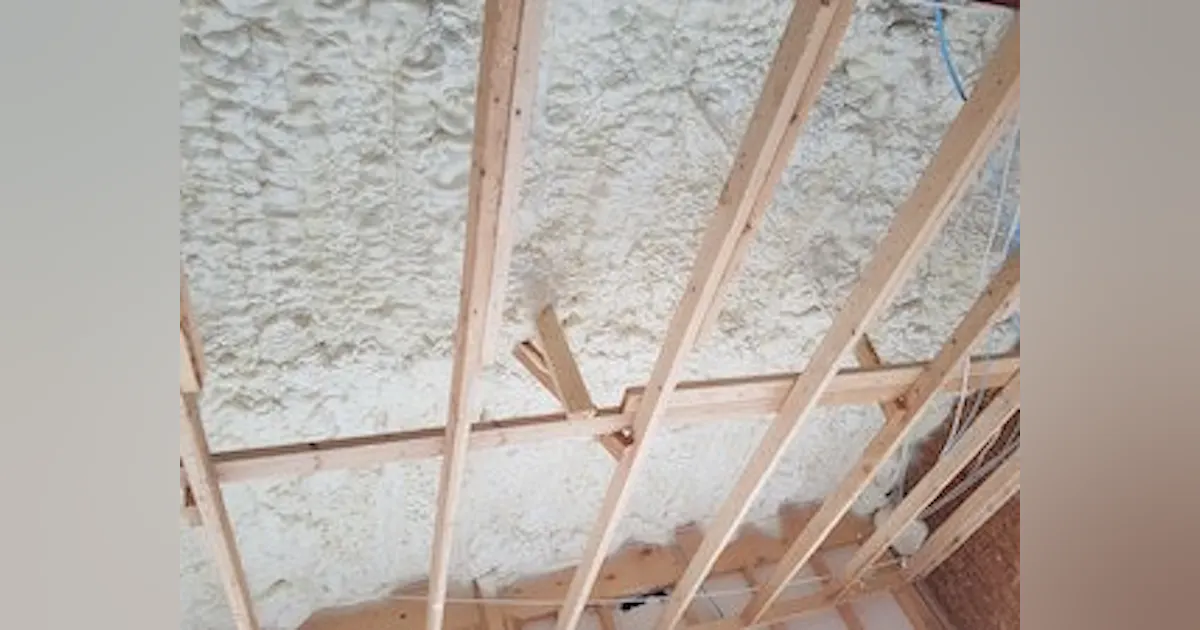
Applying lightweight open-cell foam under roof decks creates a conditioned attic space. This setup keeps ductwork cool, reducing air conditioner workload and lowering peak electric usage during summer heat waves.
Maintaining energy-efficient homes in warm regions involves several key practices:
- Applying expanding foam under attic rafters to block solar radiation before it enters living spaces.
- Sealing wall top plates to prevent hot attic air from filtering into bedroom walls.
- Insulating sun-exposed exterior walls to block thermal radiation from exterior siding.
Bonus Tip: When insulating attics in hot climates, place the thermal barrier along the roofline rather than the flat attic floor to keep ductwork inside conditioned space.
Things to Evaluate Before Making a Project Decision
Before picking a specific material or signing an installation contract, property owners must assess building conditions and project goals. Skipping proper evaluation leads to performance failures and wasted money.
Key pre-decision factors include:
- Regional Energy Codes: Verify required local R-values for roof assemblies and wall cavities in your area.
- Moisture History: Inspect for active roof leaks or groundwater intrusion before applying expansion foam.
- Framing Depth: Measure wall studs to determine if high R-value closed-cell material is needed in shallow framing.
- Existing Draft Points: Identify major air leaks across floor plates, electrical outlets, and plumbing stacks.
- Space Utilization: Decide whether the attic or crawl space will serve as conditioned storage space.
Professional evaluation ensures that your choice aligns with regional climate conditions and long-term utility cost reduction targets. Choosing modern home insulation materials adapted to local weather patterns yields consistent comfort year after year.
Selecting Qualified Professionals for Quality Results
Proper material application requires specialized equipment, precise chemical mixing ratios, and strict safety procedures. Poorly applied material can shrink, pull away from studs, or fail to adhere properly to structural surfaces.
Working with a certified spray foam contractor guarantees accurate chemical mixing, correct depth application, and adherence to regional building codes.
Bonus Tip: Always verify that an installation team carries specialized insurance coverage and provides clear manufacturer warranty documentation before work begins.
Selecting experienced technicians for residential insulation services gives property owners confidence that their thermal updates will remain stable for decades without degrading.
Summary of Smart Thermal Choices
Matching thermal barriers to regional climate requirements is essential for long-term comfort and energy savings. Cold and wet regions require high-density closed-cell barriers to prevent moisture condensation, while warm and dry regions benefit from cost-effective open-cell options. Evaluating framing depth, local energy codes, and moisture levels before installation ensures optimal energy performance. Property owners should carefully review their home structure and contact qualified technicians to complete a thorough thermal assessment.
Contact Supreme Spray Foam – Fresno for Expert Thermal Consultations
Upgrading your thermal boundaries improves indoor comfort and lowers monthly power bills throughout the year. For top-tier installations and reliable advice, contact Supreme Spray Foam – Fresno at info@supremesprayfoamfresno.com or call (559) 545-0800. Their professional team provides expert evaluations and customized estimates to help you choose the ideal system for your local climate needs. Reach out today to request your free quote and begin your home energy upgrade.
Frequently Asked Questions About Spray Foam Systems
Can open-cell foam be used on exterior basement walls?
No. Open-cell foam absorbs water and should not be used in below-grade applications or damp exterior walls where ground moisture is present.
What is the difference in R-value between open-cell and closed-cell options?
Closed-cell material provides around R-6.0 to R-7.0 per inch, whereas open-cell material provides roughly R-3.5 to R-3.8 per inch.
How does foam insulation improve indoor air quality?
It seals gaps and cracks completely, blocking outdoor dust, pollen, outdoor humidity, and seasonal allergens from entering living spaces.
Is an additional vapor barrier needed with closed-cell foam?
No. Closed-cell foam applied at a thickness of two inches or more acts as its own vapor retarder.
How long does modern foam insulation last once applied?
When installed correctly inside building cavities away from direct sunlight, it remains effective for the life of the structure.