Choosing the right hi vis workwear is about more than selecting a bright-coloured shirt or jacket. High-visibility clothing is designed to help workers remain noticeable in workplaces where moving vehicles, machinery, low-light conditions or other hazards may reduce visibility.
However, businesses and workers can make costly mistakes when buying high visibility workwear. Choosing the wrong garment, incorrect size, unsuitable fabric or non-compliant product can affect comfort, durability and workplace safety.
Whether you are buying hi vis workwear in Australia for construction, road work, transport, warehousing, mining or general outdoor work, understanding what to look for can help you make a more informed decision.
Most common mistakes to avoid:
Choosing Hi Vis Workwear Based Only on Colour
One of the biggest mistakes is assuming that any fluorescent yellow, orange or other bright-coloured garment automatically qualifies as compliant hi vis workwear.
High-visibility workwear is designed according to specific requirements relating to factors such as fluorescent background material, retroreflective components and garment configuration.
Simply choosing the brightest-looking shirt is therefore not enough.
When purchasing high visibility workwear, check the product specifications and relevant Australian requirements rather than relying on colour alone.
Ignoring Australian Standards and Compliance
For Australian workplaces, compliance should be a major consideration when selecting hi vis clothing.
Depending on the workplace and application, high-visibility garments may need to meet relevant Australian/New Zealand Standards, including requirements associated with AS/NZS 4602.1 for high-visibility safety garments.
Employers should determine which standard and garment class are appropriate for the work being performed.
Buying a garment because it is advertised as "hi vis" without checking its compliance information can create unnecessary risks.
Tip: Always check the manufacturer's compliance information and workplace requirements before purchasing hi vis safety clothing.
Buying the Wrong Type of Hi Vis Garment
Not every worker needs the same type of hi vis clothing.
For example, a worker may require a:
- Hi vis shirt
- Hi vis polo
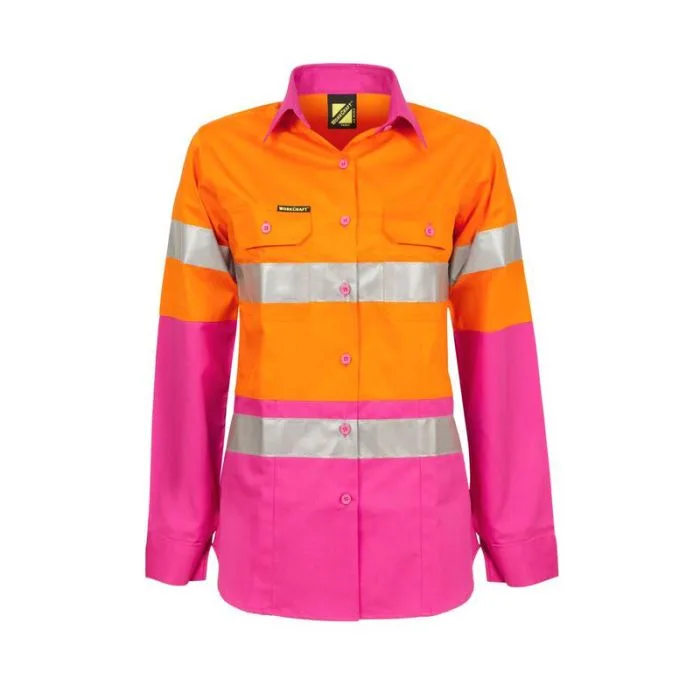
- Hi vis long sleeve shirt
- Hi vis vest
- Hi vis jacket
- Hi vis jumper
- Hi vis pants
- Hi vis coveralls
- Hi vis rainwear
The right garment depends on the working environment, weather, required protection and visibility requirements.
Buying a lightweight vest for a worker who spends hours outdoors in cold weather, for example, may not provide the comfort or coverage they need.
Consider the actual working conditions before selecting the garment.
Focusing on Price Instead of Overall Value
Price is naturally an important consideration, particularly when purchasing workwear for an entire team. However, choosing the cheapest hi vis workwear available can sometimes result in higher costs over time.
Low-cost garments may not provide the durability, comfort or performance required for demanding work environments.
Instead of asking only, "How much does this garment cost?", consider:
- How often will it be worn?
- How durable is the fabric?
- Is it suitable for industrial washing?
- Does it retain its visibility after repeated washing?
- Is it suitable for the working environment?
- Does it meet the required standards?
- Does it provide adequate comfort?
A slightly higher-quality garment may provide better long-term value if it lasts longer and remains suitable for regular use.
Getting the Size Wrong
A poorly fitting garment can affect both comfort and practicality.
Workwear that is too tight can restrict movement, while oversized clothing may become uncomfortable or interfere with other equipment.
Before purchasing hi vis workwear online, check the manufacturer's size chart rather than assuming your usual clothing size will be the same.
For businesses ordering uniforms for multiple workers, consider collecting accurate measurements before placing a bulk order.
The fit should allow workers to move comfortably while accommodating any additional layers or personal protective equipment (PPE) required for the job.
Choosing Fabric Without Considering the Work Environment
Different jobs require different fabric characteristics.
For hot Australian conditions, lightweight and breathable materials can help improve comfort. Workers operating outdoors may benefit from garments designed to provide better airflow and moisture management.
In cooler environments, long-sleeve garments, jackets or layered hi vis clothing may be more appropriate.
You should also consider factors such as:
- Breathability
- Durability
- Moisture management
- UV exposure
- Weather resistance
- Washing requirements
- Seasonal conditions
The best hi vis workwear is not necessarily the thickest or most durable option—it is the garment that provides the right balance for the working environment.
Forgetting About Weather Conditions
Australian workplaces can experience very different weather conditions throughout the year.
Buying only one type of hi vis garment for every season can leave workers uncomfortable or inadequately prepared.
A workplace may need a combination of:
Summer: Lightweight hi vis shirts and breathable polos.
Winter: Hi vis jumpers, fleece garments or jackets.
Wet weather: Hi vis waterproof or water-resistant outerwear where appropriate.
Transitional weather: Layering options that allow workers to adjust clothing throughout the day.
Planning a workwear range around seasonal conditions can improve both comfort and usability.
Overlooking Reflective Tape and Visibility Features
Fluorescent fabric helps make workers more visible during daylight, while retroreflective materials are important for visibility in lower-light conditions.
When selecting hi vis clothing, examine the placement and configuration of reflective tape rather than simply checking whether the garment has reflective strips.
The garment should be appropriate for the visibility requirements of the workplace and the type of work being performed.
Not Considering How the Garment Will Be Washed
Workwear needs regular cleaning, particularly in industries where garments are exposed to dust, dirt, grease and other contaminants.
However, incorrect washing can affect the appearance, fabric and visibility components of a garment.
Before purchasing, check the manufacturer's care instructions.
Consider whether the garment is suitable for your workplace's normal washing process and whether the expected lifespan is compatible with how frequently it will be cleaned.
Following care instructions can help preserve the garment's performance and appearance.
Choosing Workwear That Workers Don't Want to Wear
Comfort is sometimes overlooked when businesses purchase safety clothing.
If workers find garments too hot, restrictive, uncomfortable or difficult to wear, they may be less likely to wear them correctly.
Consider practical features such as:
- Breathable fabric
- Comfortable fit
- Flexible construction
- Appropriate sleeve length
- Functional pockets
- Easy-to-use closures
- Suitable weight for the environment
Worker feedback can be valuable when selecting a new workwear range.
Buying Without Considering the Complete PPE System
Hi vis clothing is often only one part of a worker's overall PPE requirements.
Depending on the job, workers may also require safety footwear, hard hats, gloves, eye protection, hearing protection or other protective equipment.
Make sure the selected hi vis garments work effectively with the other PPE workers are required to wear.
For example, bulky jackets or garments with unsuitable closures may interfere with harnesses, tool belts or other equipment.
Not Planning for Replacement
Hi vis workwear does not last forever.
Regular use, washing, sunlight, abrasion and workplace conditions can gradually affect a garment's appearance and performance.
Employers should inspect hi vis clothing regularly and replace garments when they become excessively worn, damaged or no longer meet workplace requirements.
Having a replacement plan is particularly important for businesses where workers depend on high-visibility clothing every day.
How to Choose the Right Hi Vis Workwear
Before buying hi vis workwear, ask these questions:
- What type of work will the garment be used for?
- What visibility requirements apply to the workplace?
- Does the garment meet the relevant Australian requirements?
- Will it be worn indoors, outdoors or both?
- What weather conditions will workers experience?
- What fabric and fit will provide the best comfort?
- How frequently will the garment be washed?
- Does it work with the worker's other PPE?
- How durable is it?
- How will worn garments be replaced?
Answering these questions can help you avoid purchasing clothing that looks suitable but does not meet the practical needs of your workplace.
Frequently Asked Questions About Buying Hi Vis Workwear
What should I look for when buying hi vis workwear in Australia?
Look for garments appropriate to your work environment and visibility requirements, with verified compliance information, suitable fluorescent and reflective components, a comfortable fit and fabric appropriate for the conditions.
Is all fluorescent clothing considered hi vis workwear?
No. A brightly coloured garment is not automatically a compliant high-visibility safety garment. Always check the product's specifications and applicable workplace requirements.
What colour hi vis workwear is best?
The appropriate colour depends on the garment, workplace requirements and applicable standards. Fluorescent yellow and orange are common options, but colour should not be the only consideration when selecting compliant hi vis clothing.
How often should hi vis workwear be replaced?
There is no universal replacement schedule. Garments should be inspected regularly and replaced when they become damaged, excessively worn or no longer provide the required visibility or protection.
Is comfortable hi vis workwear important?
Yes. Comfort can influence whether workers wear their safety clothing correctly and consistently. Fabric, fit, breathability and suitability for the working environment should all be considered.
Final Thoughts
Buying hi vis workwear should involve more than choosing a bright-coloured garment at the lowest possible price. Compliance, visibility, fit, comfort, fabric, durability, weather conditions and compatibility with other PPE all play an important role.
By avoiding these common purchasing mistakes, Australian businesses can select high-visibility workwear that is better suited to their workers, workplace conditions and safety requirements.
The right approach is to assess the job first, understand the applicable requirements and then choose garments based on performance, comfort and long-term value.