
Let me paint you a picture.
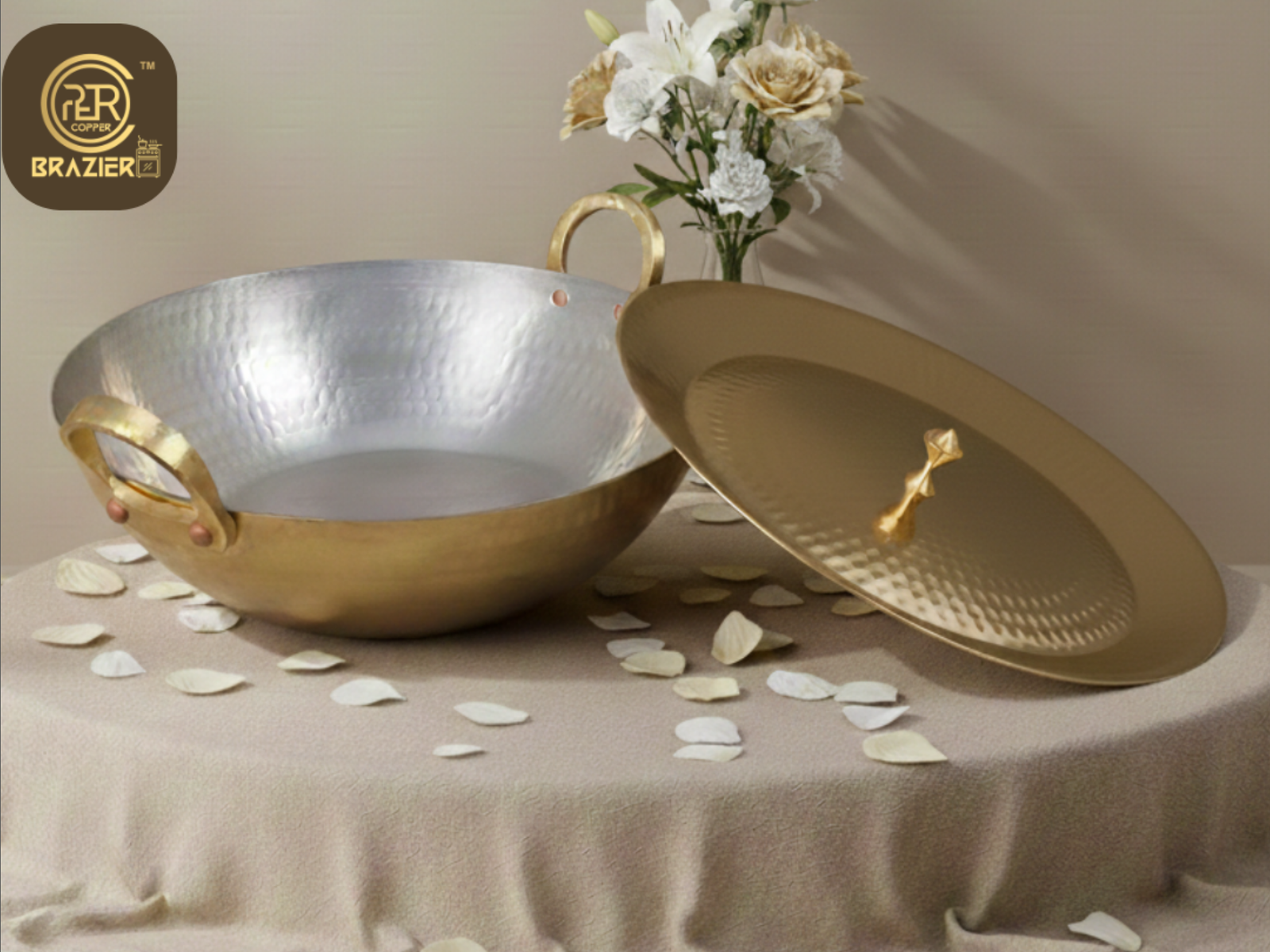
It’s early morning. Your grandmother is standing by a sunlit window. In her hands is a heavy, burnished Brass Kadhai. The metal glows like liquid gold. She isn’t rushing. She isn’t using a non-stick pan that will peel in six months. She is slow-cooking.
Fast forward to today. You open your cupboard. You see a graveyard of Teflon, aluminum, and “ceramic” coatings that promised the world but delivered sticky disasters.
We lost the plot somewhere. But guess what? The Brass Kadhai is back. And this time, it isn’t just nostalgia. It’s rebellion.
Why Your Great-Grandmother Was Smarter Than You
Let’s be honest—ancestors didn’t have food scientists or lab reports. But they had wisdom. They chose brass for a reason.
When you cook in a traditional brass kadhai (properly tinned with kalaai), something magical happens. The metal conducts heat like a dream. No more hot spots burning your curry on one side while the other side stays cold. Brass gives you that slow, even warmth that turns a simple dal into a hug in a bowl.
But here is the kicker: Science backs grandma up. Cooking slightly acidic foods (like your tangy fish curry or tomato-based gravies) in raw brass isn’t ideal—which is why the ancient kalaai (tin lining) process exists. That tin lining makes the kadhai non-reactive, safe, and naturally non-stick without chemicals.
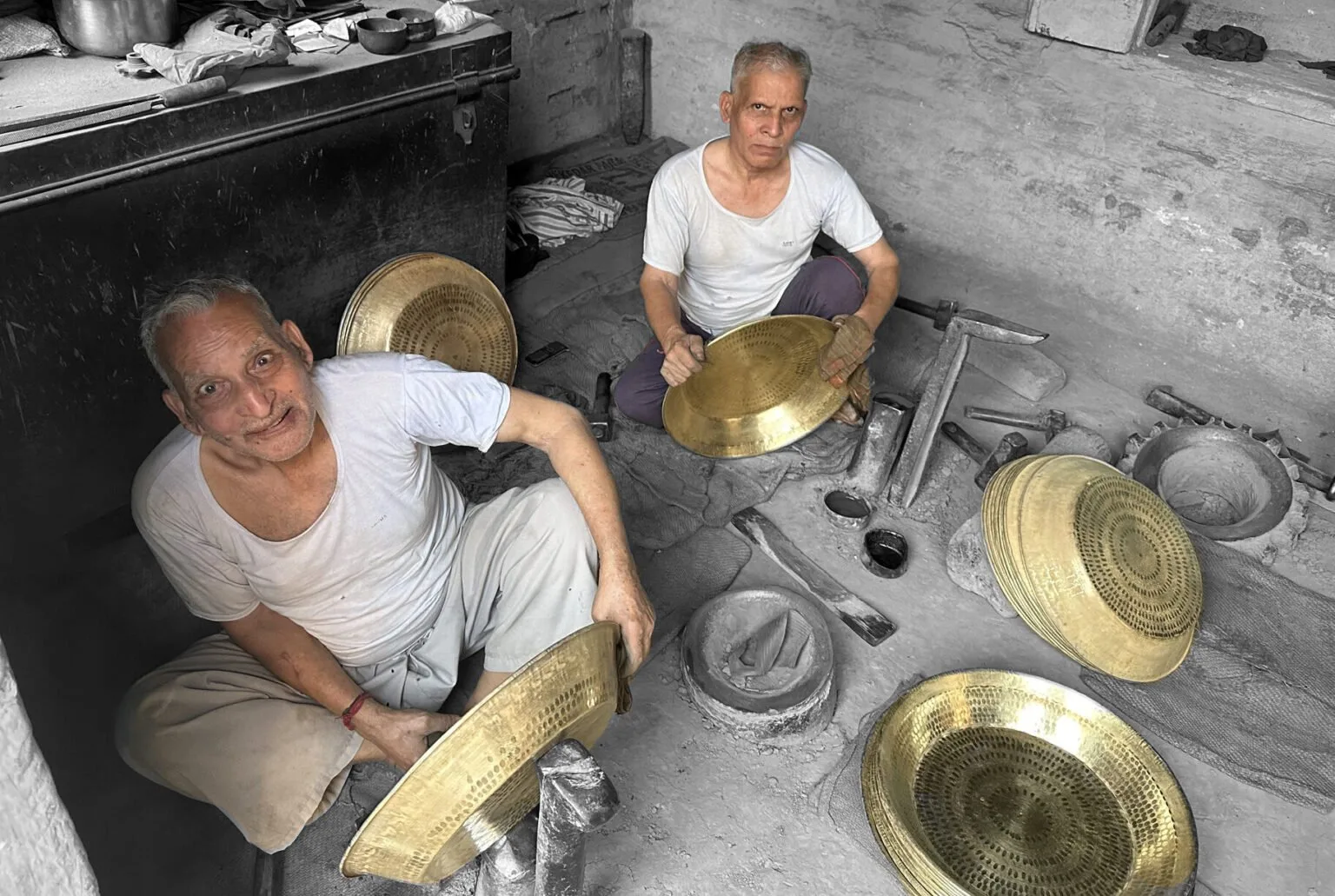
You are not buying a kadhai. You are buying 5,000 years of metallurgical intelligence.
The Flavor Equation: Why Restaurant Food Tastes Fake
Have you ever noticed how home-cooked food from a brass cookware hits different?
It isn’t just love. It’s reaction. Brass has a unique way of interacting with fats and spices. When you temper mustard seeds and curry leaves in a hot brass kadhai, the aroma doesn’t just float—it explodes.
Chefs in high-end farmhouses are secretly hoarding vintage brass cookware because they know the truth: Aluminum kills soul. Brass amplifies it.
Try this tonight. Take your regular chicken curry recipe. Cook it in a steel pan. Then cook the exact same recipe in a properly seasoned brass kadhai. You will never go back. The brass version will be deeper, richer, and have that “cooked-for-hours” taste even if you rushed it in 45 minutes.
The Revival Guide: How to Start (Without Screwing Up)
Okay, you’re excited. You bought a beautiful brass kadhai. Now what? Don’t just dump your paneer butter masala in it yet. Follow these three sacred steps:
Step 1: The Lemon & Tamarind Baptism
Wash the kadhai with mild soap. Then scrub it with a lemon half dipped in salt. This removes any oxidation and preps the surface. Rinse. Dry immediately (brass hates standing water—it causes spots).
Step 2: Seasoning Ritual
Heat the kadhai. Add a generous splash of mustard oil or ghee. Swirl it so every inch of the interior gets coated. Let it smoke gently. Wipe it clean with a cloth. You have now built your first protective layer.
Step 3: Respect the Kalaai
If your kadhai has a tin lining (the silvery coating inside), never heat it empty on high flame. Tin melts around 450°F. Medium heat is your best friend. If the lining wears off after years of use? No problem. That just means it’s time to get it re-tinned—a dying art we need to keep alive.
The One Mistake Everyone Makes
Do not put your brass kadhai in the dishwasher. I will personally come to your house and take it away if you do. (Kidding. Sort of.)
Hand wash only. Use a soft sponge. No steel wool. No harsh detergents. Dry it immediately. Buff it with a dry cloth. That 90 seconds of care means your great-grandchildren will still be cooking in this same kadhai.
But Wait—Is It Hard to Maintain?
Honestly? Less hard than Instagram makes it look.
Yes, brass tarnishes. It develops a beautiful, antique patina over time. That darkening isn’t dirt—it’s character. If you want it shiny for a dinner party, rub a paste of lemon juice and baking soda. If you love the rustic old-world look, just wash and dry. Done.
The effort is 2% more than your regular pan. The reward is 200% more flavor.
Why This Isn’t Just a Trend
We are tired of microplastics. We are tired of endocrine disruptors leaching into our butter chicken. We are tired of replacing pans every two years.
The brass kadhai is the ultimate “buy it for life” move. It is sustainable. It is biodegradable. It looks stunning hanging in your kitchen as decor. And when you cook in it, you aren’t just making dinner—you are continuing a lineage.
Every stir of the ladle connects you to a grandmother in a village in Punjab. To a spice merchant in Kerala. To a time when food was medicine, and cookware was heirloom.
Ready to Join the Revival?
I’ve given you the history. I’ve given you the science. I’ve given you the seasoning secrets.
But if you want to dive deeper—into traditional recipes, advanced care tips—then you also must read the cooking in brass kadhai blog. There is so much more waiting for you.
And when you finally decide that your kitchen deserves this golden beast of a pot? When you want a luxury brass kadhai that isn’t cheap, isn’t flimsy, but is built like a tank and beautiful like jewelry?
Then you know exactly whom to contact.
That’s right. Copper Brazier.
Go ahead. Cook like your ancestors. Eat like royalty.