When choosing a final resting place for a loved one's remains, many families find themselves asking important questions about cremation urns. With so many options available today, understanding the differences in sizes, materials, and styles can make the selection process less overwhelming and more meaningful.
At The Memorial Urn, we believe that informed decisions bring peace of mind. This guide explains everything you need to know about selecting a cremation urn for human ashes, helping families choose an option that reflects personal preferences, memorial traditions, and practical needs.
Understanding Cremation Urns
A cremation urn is a specially designed container used to hold cremated remains. While urns have been used for centuries across various cultures, modern designs offer a wide range of choices that accommodate different memorial practices, home displays, burial requirements, and personal tastes.
Whether you are looking for a traditional cremation urn for ashes or exploring contemporary memorial options, understanding the basics is the first step toward making a thoughtful choice.
Choosing the Right Size Cremation Urn
One of the most common questions families ask is how large an urn should be.
The general guideline used by funeral professionals is:
One cubic inch of urn capacity for every pound of body weight before cremation.
For example:
- A person weighing 150 pounds typically requires an urn with a capacity of approximately 150 cubic inches.
- A person weighing 200 pounds generally needs an urn with a capacity of around 200 cubic inches.
Common Urn Sizes
Adult UrnsAdult urns are the most common type and usually range from 180 to 220 cubic inches. These are designed to hold the complete cremated remains of an adult.
Companion UrnsCompanion urns are larger vessels intended to hold the ashes of two individuals. They are often selected by spouses or partners who wish to remain together.
Keepsake UrnsKeepsake urns are smaller versions designed to hold a symbolic portion of cremated remains. Families often choose these when multiple relatives wish to keep a memorial tribute.
Child and Infant UrnsSpecially sized urns are available for children and infants, offering appropriate capacities while providing a meaningful memorial.
Selecting the proper size is one of the most important considerations when purchasing cremation urns for human ashes, ensuring both functionality and peace of mind.
Popular Materials Used in Cremation Urns
The material of an urn affects its appearance, durability, weight, and suitability for specific memorial purposes.
Metal Urns
Metal urns remain among the most popular choices due to their durability and timeless appearance.
Common metals include:
- Brass
- Aluminum
- Stainless steel
- Bronze
Advantages of metal urns include:
- Long-lasting construction
- Elegant finishes
- Resistance to wear and damage
- Suitable for home display
Many families choose metal cremation urns for ashes because of their classic aesthetic and dependable durability.
Wooden Urns
Wooden urns offer warmth, natural beauty, and craftsmanship.
Popular wood choices include:
- Oak
- Walnut
- Cherry
- Maple
Wood urns are often appreciated for their traditional appearance and ability to blend seamlessly into home décor.
Ceramic Urns
Ceramic urns are known for their artistic beauty and handcrafted appeal.
Benefits include:
- Unique designs
- Decorative finishes
- Cultural and artistic significance
Because ceramic urns can be fragile, they are typically best suited for indoor display rather than transportation.
Marble and Stone Urns
Stone urns provide exceptional durability and a distinguished appearance.
Common options include:
- Marble
- Granite
- Onyx
These materials create a lasting memorial that can be displayed at home or placed in a columbarium niche.
Biodegradable Urns
As environmental awareness grows, biodegradable urns have become increasingly popular.
They are commonly used for:
- Water memorial ceremonies
- Eco-friendly burials
- Natural memorial practices
These urns are designed to break down naturally over time, minimizing environmental impact.
Understanding Different Urn Styles
Beyond size and material, the style of an urn often reflects personal preferences, family traditions, and memorial intentions.
Traditional Urns
Traditional urns typically feature a vase-like shape and remain among the most recognizable memorial designs.
They often include:
- Decorative engravings
- Elegant finishes
- Timeless designs
These styles continue to be a preferred option for many families seeking classic cremation urns for human ashes.
Contemporary Urns
Modern urn designs focus on simplicity and clean aesthetics.
Features may include:
- Minimalist shapes
- Sleek finishes
- Modern artistic elements
These styles appeal to individuals who prefer contemporary memorials.
Personalized Urns
Personalized urns allow families to honor unique memories through:
- Engraved names
- Dates
- Quotes
- Photographs
- Symbolic artwork
Customization can create a deeply meaningful tribute while preserving important memories.
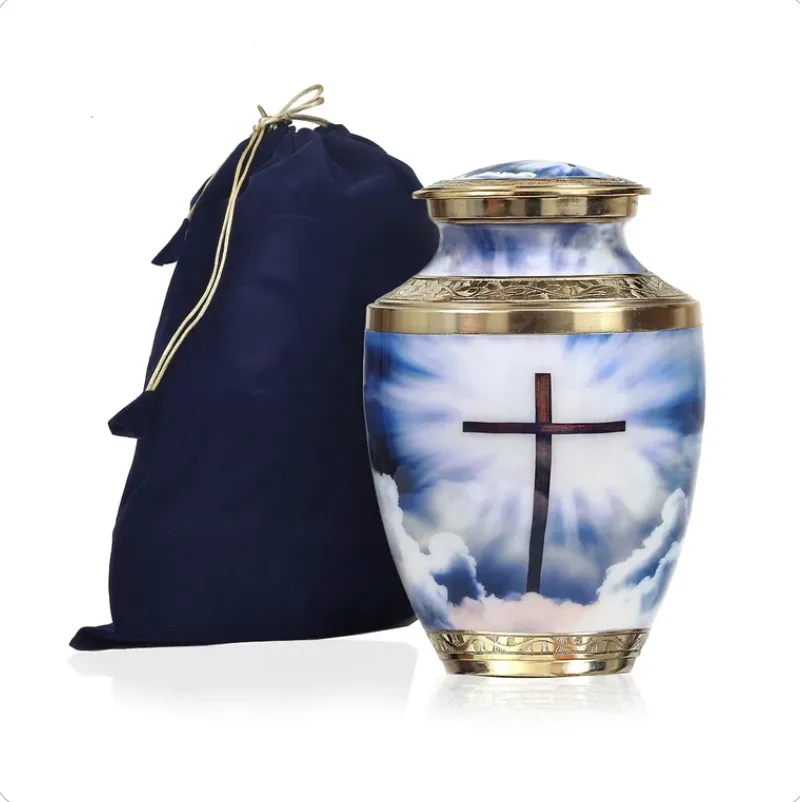
Religious and Spiritual Urns
Many families select urns that reflect faith, beliefs, or spiritual traditions.
Common symbols include:
- Crosses
- Angels
- Praying hands
- Sacred imagery
These designs provide comfort while honoring personal beliefs.
Artistic and Themed Urns
Some urns celebrate hobbies, professions, or passions.
Examples include themes related to:
- Nature
- Military service
- Sports
- Music
- Travel
These distinctive styles help tell a person's story in a meaningful way.
Factors to Consider Before Choosing an Urn
When evaluating cremation urns for ashes, consider the following questions:
Where Will the Urn Be Kept?
An urn intended for home display may differ from one designed for burial or placement in a columbarium.
Will the Urn Be Transported?
If travel is anticipated, lightweight and durable materials may be more practical.
Is Personalization Important?
Many families find comfort in adding meaningful details that celebrate a loved one's life.
What Memorial Plans Are Being Considered?
Future memorial arrangements may influence the ideal size, material, and style selection.
Taking these factors into account can help ensure that the chosen cremation urn for human ashes meets both emotional and practical needs.
Common Myths About Cremation Urns
Myth 1: All Urns Are the Same Size
Urns vary significantly in capacity, making size an essential consideration.
Myth 2: Expensive Urns Are Always Better
The best urn is one that aligns with personal preferences, memorial goals, and family values rather than price alone.
Myth 3: Urns Must Follow a Specific Design
Modern urns are available in countless styles, materials, and artistic expressions, allowing families to choose something truly meaningful.
Final Thoughts
Selecting a cremation urn for ashes is a deeply personal decision. By understanding the differences in sizes, materials, and styles, families can approach the process with confidence and clarity.
Whether choosing traditional metal urns, handcrafted wooden designs, artistic ceramic pieces, or environmentally friendly alternatives, the right cremation urn for human ashes should reflect the memory, personality, and legacy of the individual being honored.
At The Memorial Urn, we believe that knowledge helps families make thoughtful memorial decisions. Taking time to understand the available options ensures that every tribute remains meaningful, respectful, and lasting for generations to come.