For centuries, natural clay roofing has been a cornerstone of architectural design, offering dependable structural protection and a warm, earthy aesthetic across classic Mediterranean and Spanish Colonial styles. Today, advanced material science is expanding these traditional building methods through custom architectural glazes. By applying specialised mineral formulations prior to high-temperature kiln firing, manufacturers produce an extensive array of surface finishes, from lustrous tones to muted matte sheens. These engineered glazes do more than enhance visual appeal—they fuse directly with the underlying clay matrix at a molecular level, creating a durable, non-porous shield that elevates classic clay architecture.
1. The Chemistry and Artistry of Kiln-Fired Architectural Glazes
At its core, ceramic glazing is a sophisticated fusion of chemistry, precise thermal processing, and fine art. A liquid glaze mixture consists of three primary components: silica (the glass former), fluxes (which lower the melting temperature of the silica), and alumina (which acts as a stabiliser to prevent the liquid glaze from running off vertical or sloped surfaces during firing).
Colour is introduced through natural mineral oxides and refined ceramic pigments. For instance, cobalt oxide produces rich, deep blues; copper oxide creates vivid greens and turquoise shades; iron oxide yields warm ochres and deep mahogany hues; and manganese dioxide introduces dark, dramatic charcoal tones. When applied to raw or bisqued clay forms and subjected to intense temperatures exceeding 1,000°C (1,832°F) inside commercial kilns, the glaze melts, flows, and chemically bonds to the clay matrix. As the material cools, it hardens into a durable, non-porous vitreous glass layer that will never fade, peel, or delaminate under harsh environmental conditions.
2. Expanding the Architectural Colour Palette Beyond Traditional Rust Tones
While traditional unglazed terracotta is celebrated for its natural orange, red, and terra-cotta tones, modern architectural styles often demand a broader colour palette to complement contemporary building facades. Custom glazing opens up virtually unlimited chromatic possibilities, allowing architects to specify precise hues that align with complex design concepts.
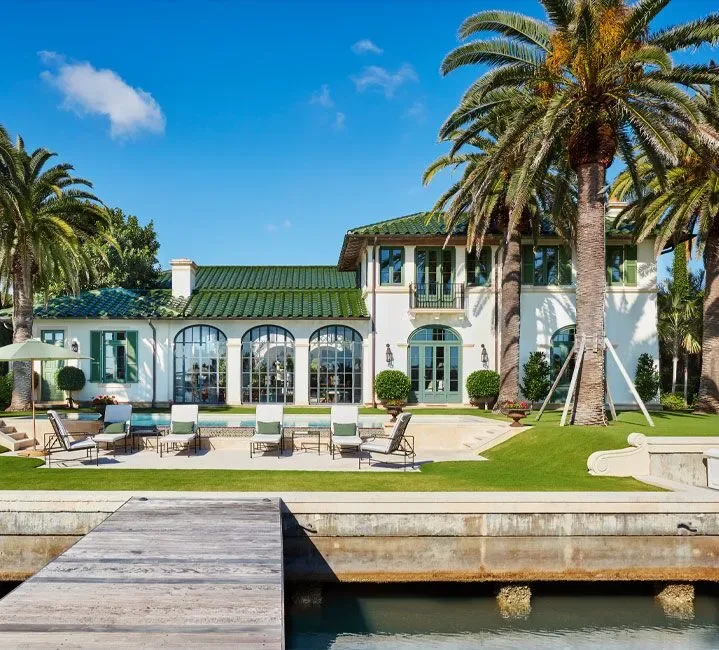
- High-Gloss Jewel Tones V: Vibrant emerald greens, deep sapphire blues, and rich ruby reds bring a luminous, light-reflective quality to residential and commercial roofs, capturing natural sunlight throughout the day.
- Modern Matte and Satin Finishes: Charcoal greys, slate blacks, muted sage green, and warm cream tones deliver an understated, contemporary look that fits seamlessly with modern minimalist architecture.
- Metallic and Iridescent Glazes: Advanced glaze formulations containing specialised mineral lustres create subtle metallic sheens—such as bronze, copper, or antique brass—that shift in appearance as light angles change.
- Variegated and Hand-Applied Effects: By layering multiple glaze formulations or using mottling techniques, ceramic artisans produce dynamic, multi-tonal finishes that replicate the natural patina of aged historic roofs.
3. Enhanced Weatherization and Moisture Impermeability
Beyond visual customisation, the primary functional benefit of applying a custom glaze to clay building products is the creation of a completely non-porous, waterproof surface barrier. Unglazed clay remains naturally porous, meaning it can absorb small percentages of atmospheric moisture over extended periods. In regions subject to harsh freeze-thaw cycles, trapped internal moisture can expand during winter freezes, creating internal stress that may eventually cause spalling or surface micro-cracking.
A kiln-fired glaze transforms the surface into a dense, vitreous glass barrier that prevents water penetration entirely. This impermeability ensures exceptional performance in coastal environments subject to continuous salt spray, high-humidity tropical zones prone to rapid mould growth, and high-altitude mountain locations exposed to severe sub-zero temperatures.
4. Superior UV Stability and Thermal Performance
Traditional roofing materials—such as asphalt shingles, cedar shakes, and painted metal panels—gradually degrade when exposed to continuous ultraviolet (UV) radiation. Over time, UV rays break down chemical bonds in organic pigments and protective coatings, causing noticeable fading, chalking, surface cracking, and overall material breakdown.
Because ceramic glazes are composed of inorganic mineral oxides fused at extreme temperatures, they are completely immune to UV degradation. Glazed terracotta roof tiles have maintained their original colour saturation, sheen, and depth for over a century without requiring recoating or intensive maintenance. Incorporating custom-glazed terracotta roof tiles into a building's design ensures that high-impact architectural elements remain vibrant despite decades of direct sun exposure. Furthermore, light-coloured or reflective glazed terracotta roof tiles act as efficient thermal barriers, reflecting solar radiation away from the building envelope, significantly reducing summer cooling loads. Specifying custom-glazed terracotta roof tiles allows architects to combine striking visual aesthetics with superior long-term energy efficiency and structural performance.
5. Architectural Applications: From Historic Restorations to Modern Facades
The versatility of custom-glazedclay components makes them suitable for a wide range of architectural styles and structural applications. In historic preservation and restoration projects, custom glazing allows artisans to precisely match the original hand-fired tiles of centuries-old landmarks, matching rare glazes and historical weathering patterns that are no longer mass-produced.
In modern residential and commercial design, custom glazes are increasingly used on innovative vertical rainscreen systems, decorative building facades, wall cladding, and custom rooflines. By mixing glazed and unglazed clay tiles in strategic ratios, architects can create textured, undulating patterns that add visual movement to large building surfaces.
6. Sustainable Manufacturing and Circular Lifecycle Values
In an era where sustainable construction practices and green building certifications (such as LEED) are paramount, custom-glazed clay materials offer exceptional environmental benefits. Natural clay is an abundant, locally sourced raw material that contains no toxic chemicals or synthetic resins.
Because glazed clay products are engineered to last well over a hundred years, their lifecycle carbon footprint is significantly lower than that of short-lived roofing alternatives that require frequent replacement and disposal in landfills. Furthermore at the end of a building's functional life, natural glazed clay tiles can be crushed and repurposed as road base aggregate, landscaping gravel, or recycled raw material for new ceramic manufacturing, embodying the core principles of circular construction.
Conclusion
Custom architectural glazes represent the perfect marriage of historical craftsmanship, modern material engineering, and creative freedom. By transforming raw natural clay into vibrant, non-porous, UV-stable building components, custom glazes offer architects and homeowners an unmatched tool for architectural expression. Whether applied to classic Mediterranean roof profiles, sleek modern flat tiles, or intricate custom wall cladding systems, glazed terracotta provides superior weather protection, zero-maintenance colour retention, and sustainable performance engineered to endure for generations.