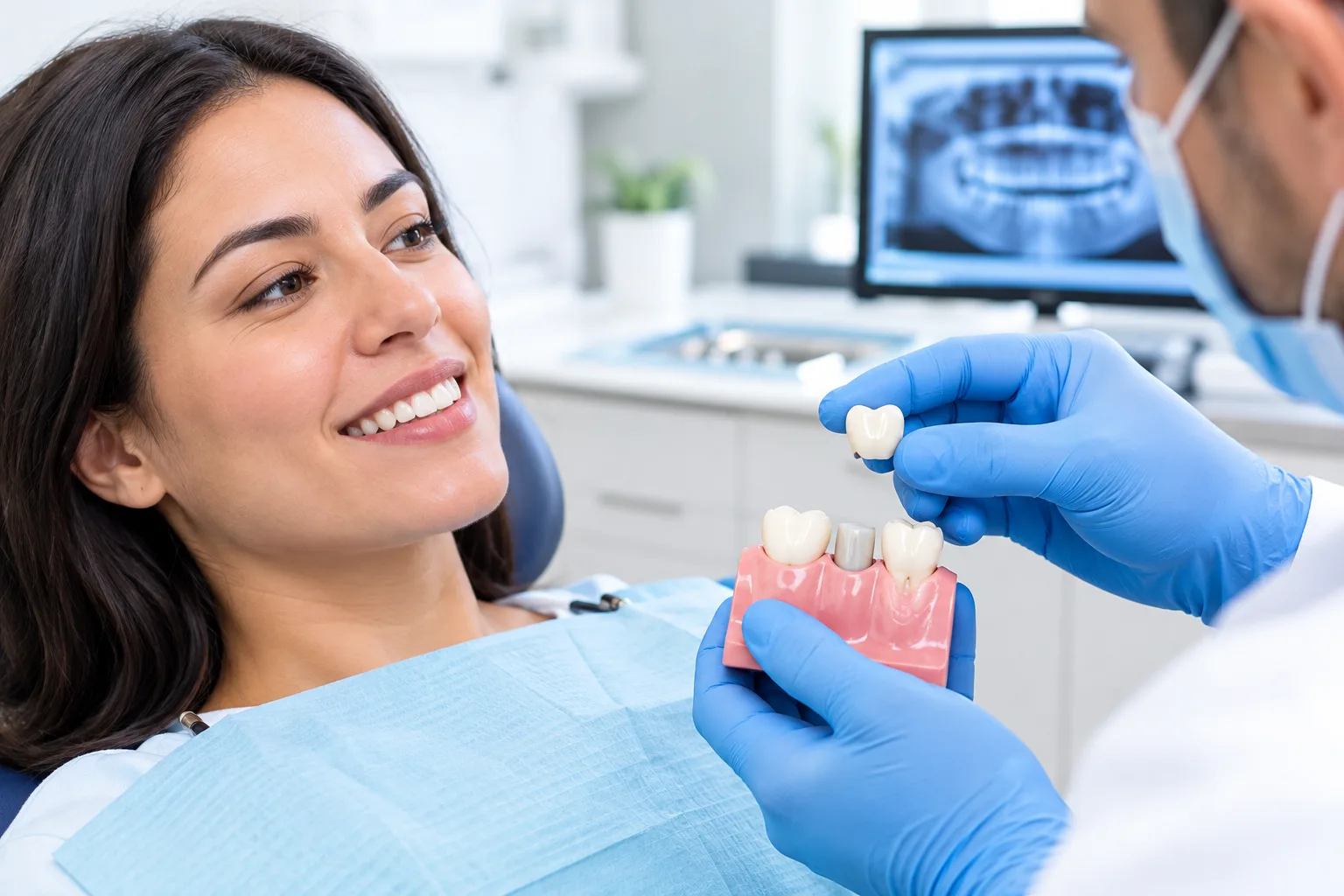
A damaged or weakened tooth can affect more than just your smile. Cracks, extensive decay, worn teeth, or a tooth that has undergone root canal treatment may need additional protection to remain functional. Dental crowns in Arlington can provide a practical way to restore the tooth's shape, strength, and appearance while helping protect the remaining natural structure.
Modern dental care also gives patients more choices than traditional crown treatment. Depending on the condition of the tooth and the patient's needs, crowns can be created from different materials, including ceramic, porcelain, zirconia, and porcelain-fused-to-metal options.
When Might a Dental Crown Be Recommended?
A dental crown is a custom restoration placed over a prepared tooth. It can help protect a tooth when there is not enough healthy structure remaining for a simple filling to provide adequate support.
A dentist may consider a crown when a patient has:
- A cracked or fractured tooth
- Significant tooth decay
- A large existing filling
- A tooth weakened after root canal treatment
- Severe tooth wear
- A cosmetic concern involving the shape or appearance of a tooth
- A tooth that needs additional support as part of restorative treatment
The right treatment depends on the individual tooth. A dental professional should examine the tooth and consider alternatives before recommending a crown.
Choosing the Right Crown Material
Not every crown is made from the same material. The best option can depend on the tooth's location, bite forces, appearance, and overall treatment goals.
Ceramic and porcelain crowns are popular when a natural appearance is important, particularly for visible teeth. Zirconia offers strength while maintaining a tooth-colored appearance and may be considered for areas that experience greater chewing forces. Porcelain-fused-to-metal crowns can provide a combination of strength and aesthetics.
During a consultation, your dentist can explain the advantages and limitations of each option and recommend a material suited to your particular situation.
What Is the Dental Crown Process Like?
Traditional crown treatment generally involves examining and preparing the tooth, creating a restoration, and placing the permanent crown after it has been fabricated.
Digital dentistry has changed this process in some dental offices. At Cosmo Smiles Dental, CAD/CAM technology is used to design and mill crowns in the office. This can allow eligible patients to receive a same-day crown in Arlington rather than waiting for an outside laboratory to complete the restoration.
The process may involve:
- Dental examination: The dentist evaluates the tooth to determine whether a crown is appropriate.
- Tooth preparation: Damaged or decayed areas are addressed and the tooth is prepared.
- Digital scanning: Digital technology captures information needed to design the restoration.
- Crown design and milling: CAD/CAM technology is used to create the custom restoration.
- Final placement: The crown is checked for fit, appearance, and bite before being permanently placed.
This approach can be particularly convenient for patients who want to minimize multiple appointments.
Why Proper Crown Care Matters
A dental crown is designed to restore a tooth, but it still requires regular oral care. The crown itself does not decay, but the natural tooth underneath can still develop problems if oral hygiene is neglected.
To help maintain your restoration:
- Brush twice daily with fluoride toothpaste.
- Floss around the crown every day.
- Avoid using teeth to open packages or bite extremely hard objects.
- Attend regular dental examinations and cleanings.
- Follow your dentist's recommendations for protecting the restoration.
With appropriate care, dental crowns can provide long-term function, although their lifespan varies depending on factors such as oral hygiene, bite forces, tooth location, and daily habits.
Finding Dental Crowns in Arlington
When comparing options for Dental Crowns Arlington, consider more than just the restoration itself. Look for a dental practice that evaluates your specific needs, explains available materials, uses appropriate technology, and provides a clear treatment plan.
Contact Cosmo Smiles Dental combines restorative dentistry with digital technology, including same-day CAD/CAM crown treatment for eligible patients. Patients can learn more about the treatment process and available options by visiting the practice's same-day crown treatment page.
Frequently Asked Questions
Q1. How long can a dental crown last?
Many dental crowns can last around 10–15 years or longer with appropriate care. Longevity varies based on the material, tooth location, bite, hygiene, and other individual factors.
Q2. Can a crown look like a natural tooth?
Yes. Modern tooth-colored materials can be selected and customized to provide a natural-looking appearance.
Q3. Are same-day crowns available in Arlington?
Some patients may qualify for same-day crown treatment. Cosmo Smiles Dental uses CAD/CAM technology to design and mill eligible crowns in the office.
Q4. Does every damaged tooth need a crown?
No. Treatment depends on the amount of remaining tooth structure and the nature of the problem. A dentist should evaluate the tooth before recommending a crown.
Q5. How should I care for a crowned tooth?
Continue brushing and flossing regularly and maintain routine dental visits. Good oral hygiene helps protect both the crown and the natural tooth underneath.
Conclusion
Dental crowns can play an important role in restoring teeth affected by damage, decay, wear, or previous treatment. For Arlington patients, modern options such as digital scanning and same-day CAD/CAM crowns can make the restoration process more convenient while maintaining a focus on fit, function, and appearance. A professional dental evaluation is the best way to determine whether a crown is appropriate and which type may suit your needs.