
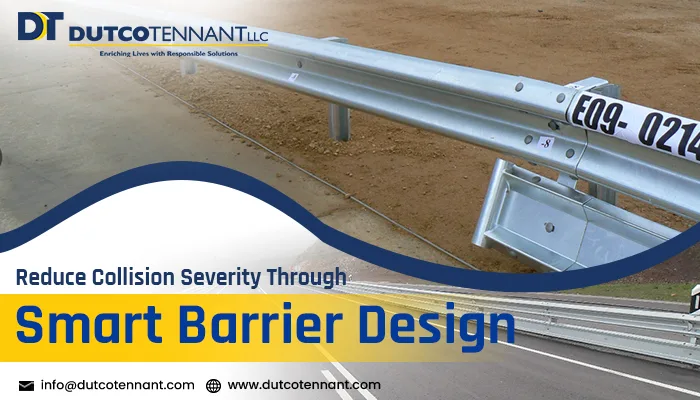
Road safety infrastructure plays a major role in reducing accident severity and improving vehicle control on highways, bridges, industrial roads, and high-speed transport corridors. Among the most important roadside protection systems used worldwide are highway guard rails, designed to redirect vehicles and minimize the impact of collisions.
Modern road networks experience heavy traffic movement, high vehicle speeds, and changing road conditions. Without proper roadside protection, vehicles leaving the roadway may collide with dangerous obstacles, steep slopes, construction zones, or opposing traffic lanes.
This is why Guard Rail systems are widely used across highways and infrastructure projects to improve road safety and reduce accident-related damage. Different road environments require different guard rail designs depending on traffic conditions, impact resistance requirements, and installation locations.
Across infrastructure projects in the UAE, guard rails for highways are commonly installed along expressways, bridges, industrial roads, parking facilities, and transport infrastructure to support safer traffic movement.
What Is a Highway Guard Rail?
A highway guard rail is a roadside safety barrier designed to prevent vehicles from leaving the roadway during accidents or loss-of-control situations.
Instead of allowing a vehicle to move into dangerous areas, the barrier helps redirect or slow down the vehicle while reducing collision severity.
Guard rails are commonly installed near:
- Highway edges
- Curved roads
- Medians
- Bridges
- Elevated roads
- Construction zones
- Industrial transport routes
Modern Guard Rail systems are engineered to absorb impact energy while helping maintain vehicle stability during collisions.
What Type of Protection Does a Guard Rail Provide?
Guard rails mainly provide roadside protection by reducing the risk of severe accidents when vehicles leave the driving lane.
They help protect against:
- Vehicle rollovers
- Roadside drop-offs
- Bridge edge impacts
- Collisions with fixed objects
- Entry into restricted zones
- Cross-median accidents
In high-speed traffic environments, properly installed barriers can significantly reduce accident severity and improve overall road safety performance.
Common Types of Highway Guard Rails
Different roadway environments require different types of barriers based on traffic load, road design, and impact conditions.
W-Beam Guard Rails
W-beam road barriers are among the most commonly used highway safety barriers worldwide.
They feature a corrugated steel profile designed to absorb and distribute collision impact forces efficiently.
W-beam systems are widely used for:
- Highways
- Urban roads
- Curved roads
- Bridge approaches
- Industrial transport roads
Their cost-effectiveness and reliable impact performance make them suitable for many roadway applications.
Thrie-Beam Guard Rails
Thrie-beam systems provide additional strength compared to standard W-beam barriers.
The barrier profile includes an extra corrugation section that improves impact resistance and structural stability.
These barriers are commonly installed in:
- High-speed highways
- Bridge sections
- Heavy vehicle routes
- Areas requiring increased containment
Commercial Guard Rail solution providers often recommend thrie-beam systems for locations exposed to higher traffic impact risks.
Cable Guard Rail Systems
Cable barriers use tensioned steel cables supported by posts to absorb vehicle impact energy gradually.
These systems are commonly installed along:
- Highway medians
- Long-distance expressways
- Rural highways
Cable systems help reduce collision forces while minimizing damage severity during high-speed impacts.
Concrete and Steel Combination Barriers
Some highway projects use combined barrier systems incorporating both concrete and steel guard rail components.
These are often installed in:
- High-risk urban roads
- Infrastructure tunnels
- Elevated transport corridors
- Restricted traffic zones
Combined systems provide improved containment performance in demanding traffic environments.
Industrial Guard Rail Systems
Industrial Guard Rail installations are designed for warehouses, logistics facilities, loading zones, and industrial transport areas.
Unlike highway barriers, these systems focus on:
- Vehicle separation
- Equipment protection
- Pedestrian safety
- Internal traffic management
Industrial facilities often use heavy-duty steel barriers to protect operational infrastructure from accidental vehicle impact.
What Is a Standard Guardrail?
A standard guardrail refers to a safety barrier designed according to roadway safety standards and impact performance requirements.
While specifications vary between regions and projects, standard highway guard rails generally include:
- Steel barrier beam
- Vertical support posts
- Connection hardware
- Impact terminals
- Spacing systems
The design aims to safely redirect vehicles while reducing the risk of vehicle rollover or severe structural impact.
What Are the Three Main Parts of a Guard Rail?
Most Guard Rail systems include three primary components:
Rail Beam
The horizontal steel section that absorbs and distributes collision impact energy.
Support Posts
Vertical posts anchored into the ground to support the barrier structure.
Connection and Fastening Components
Bolts, spacers, brackets, and hardware used to secure the barrier system together.
These components work together to improve energy absorption and maintain structural stability during vehicle impact.
What Is the OSHA Standard for Guard Rails?
The OSHA standard for guard rails mainly applies to workplace safety and fall protection systems used in industrial and construction environments.
According to OSHA requirements, standard guardrail systems typically include:
- Top rail
- Mid rail
- Toe board where required
The top rail height is generally around 42 inches above the walking surface, although exact requirements may vary depending on the application and local regulations.
It is important to note that OSHA guardrail standards mainly apply to worker safety systems rather than highway vehicle barriers.
What Is the 4-Inch Rule for Railings?
The 4-inch rule is commonly associated with safety railing systems where openings should not allow a 4-inch sphere to pass through.
This requirement helps improve safety by preventing accidental falls or entrapment.
While this rule is more commonly related to pedestrian railings and building safety systems, similar spacing considerations may also apply in certain roadside barrier and pedestrian protection applications.
How to Measure Guardrail Radius?
Guardrail radius measurement is important when installing barriers along curved roads or highway bends.
The radius is typically measured from the center point of the roadway curve to determine:
- Barrier alignment
- Curvature angle
- Post spacing requirements
- Vehicle deflection performance
Accurate radius calculation helps ensure the guard rail follows roadway geometry properly while maintaining impact performance.
Curved guard rail installations require careful engineering to maintain consistent structural stability across the full barrier length.
Applications of Guard Rails Across Infrastructure Projects
Modern guard rails for highways are used across a wide range of infrastructure environments.
Highways and Expressways
Installed along road edges, medians, and curved sections to improve vehicle containment.
Bridges and Elevated Roads
Provide protection against edge-related accidents and vehicle falls.
Industrial Facilities
Industrial Guard Rail systems protect equipment, loading areas, and internal transport routes.
Parking Infrastructure
Steel guard rails help organize vehicle movement and improve pedestrian safety.
Construction Zones
Temporary and permanent barriers help separate vehicles from hazardous work areas.
Importance of Material Quality in Guard Rail Systems
Roadside barriers are continuously exposed to:
- Weather conditions
- Vehicle impact stress
- Corrosion risk
- UV exposure
- Heavy traffic vibration
For this reason, high-quality steel and protective coatings are important for long-term durability.
Many Guard rail suppliers in UAE provide galvanized steel systems designed for improved corrosion resistance and outdoor performance in demanding environmental conditions.
Supporting Safer Highways Through Reliable Guard Rail Systems
Road safety infrastructure continues playing a major role in reducing accident severity and improving traffic management across highways and industrial transport networks.
From industrial Guard Rail installations and commercial Guard Rail solution systems to large-scale guard rails for highways, modern barrier technologies help improve roadside protection, vehicle containment, and long-term infrastructure safety performance.
As transportation infrastructure continues expanding across the UAE and other developing regions, reliable Guard Rail systems remain an essential part of safer and more efficient roadway design