
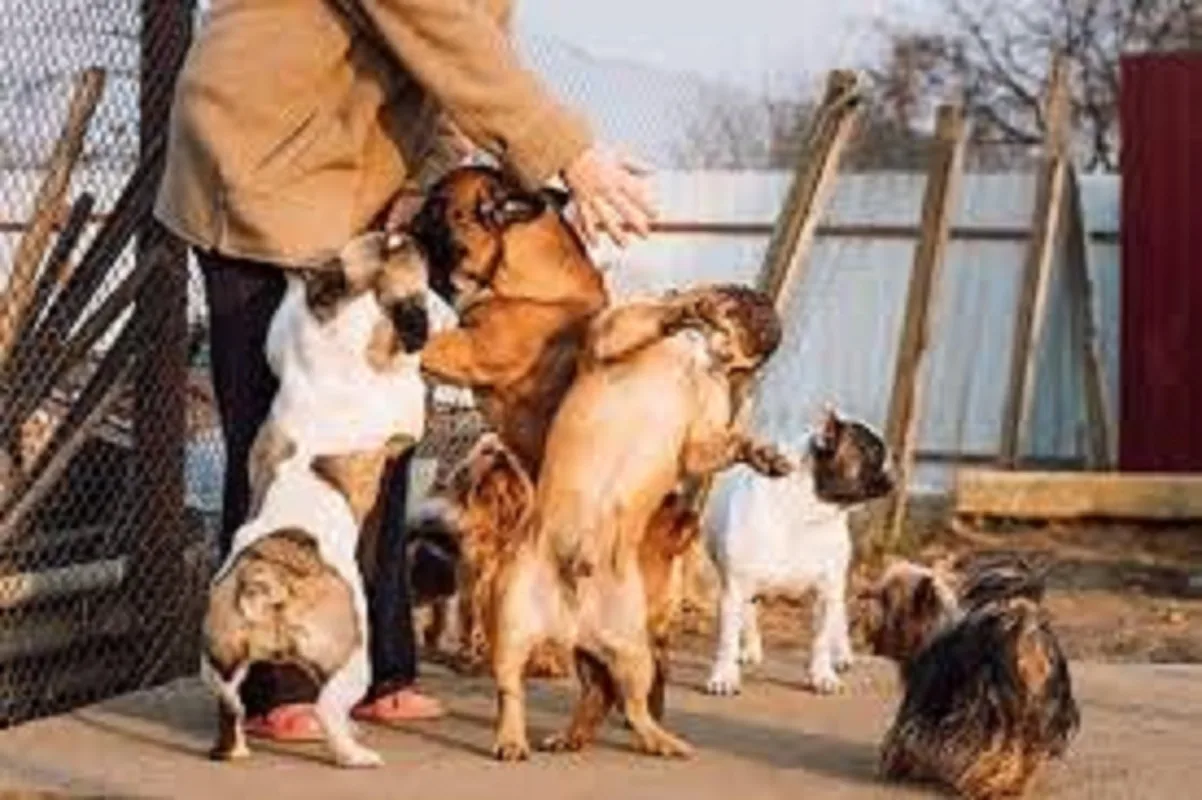
Not every dog wants to wrestle, chase, or constantly interact with other dogs. Some dogs are happiest when they can be near their canine friends while doing their own thing. They may enjoy walking alongside another dog, sniffing around the same area, resting nearby, or playing with their own toy while another dog plays close by. This type of interaction is often called parallel play.
For these dogs, choosing the right Dog Daycare Service can make a big difference. A good daycare environment does not require every dog to participate in the same activity. Instead, it can provide different ways for dogs to socialize, explore, play, and relax based on their individual personalities.
What Is Parallel Play in Dogs?
Parallel play happens when dogs spend time near each other without directly interacting all the time. They may be in the same play area but focus on separate activities.
For example, two dogs might walk around a yard together while sniffing different spots. Another pair may lie several feet apart with their own toys. They are comfortable sharing space without needing constant physical interaction.
This is a normal and valuable way for some dogs to socialize.
Dogs that enjoy parallel play may still like being around other dogs. They simply prefer low pressure social interaction rather than nonstop engagement.
A professional Dog Daycare Service can recognize this difference and create opportunities for dogs to socialize without forcing unnecessary interaction.
Why Some Dogs Prefer Parallel Play
Every dog has a different personality. Some are highly social and immediately want to play with every dog they meet. Others are more independent.
Dogs may prefer parallel play because they:
- Enjoy having personal space
- Become tired from intense play
- Prefer exploring to roughhousing
- Like being around dogs without physical contact
- Have calmer personalities
- Enjoy toys and individual activities
- Need breaks between social interactions
- Feel more comfortable when introductions are gradual
Age can also influence play preferences. Puppies may have lots of energy, while adult or senior dogs may prefer calmer activities.
Understanding these differences helps daycare staff create a more comfortable experience.
How a Dog Daycare Service Can Support Parallel Play
A quality Dog Daycare Service should offer more than one type of activity. Dogs should have opportunities to interact, explore, play independently, and rest.
For dogs that enjoy parallel play, daycare staff can create activities where dogs share an environment without being expected to constantly engage with one another.
1. Providing Enough Personal Space
Space is important for parallel play. Dogs need room to move away from another dog when they want to.
A well-managed daycare environment can use different areas for walking, playing, exploring, and relaxing. This gives dogs more freedom to choose how closely they want to interact.
When dogs have appropriate space, they may feel less pressure and become more comfortable around their canine companions.
2. Offering Individual Toys
Some dogs enjoy playing with toys more than playing directly with another dog.
Providing suitable toys and activities can allow several dogs to enjoy the same environment while focusing on different things.
One dog might chew an appropriate toy while another explores the area. They are still experiencing social contact without competing for constant attention.
Daycare staff should monitor toy use carefully, especially when multiple dogs are together.
3. Creating Calm Group Activities
Not every group activity needs to involve running or wrestling.
A Dog Daycare Service can offer calmer activities such as supervised walking, sniffing opportunities, exploration, or relaxed group time.
These activities can be especially useful for dogs that enjoy being around others but become overwhelmed by high-energy play.
4. Allowing Dogs to Take Breaks
Even social dogs can become tired or overstimulated.
Parallel play can naturally provide a quieter form of socialization, but dogs should still have opportunities to rest.
Scheduled rest periods can help dogs recharge before returning to group activities. A dog that gets enough downtime may be more comfortable and better able to enjoy the rest of the daycare day.
Parallel Play Can Support Positive Socialization
Socialization does not always mean direct interaction.
A dog can learn valuable social skills simply by being comfortable around other dogs. Parallel play gives dogs opportunities to observe canine body language, share space, and become familiar with different personalities.
For example, a dog might initially feel unsure around energetic dogs. Spending time near them without being forced into direct play can gradually make the environment feel more predictable.
This is one reason individualized daycare management can be valuable.
The goal should not be to make every dog interact in exactly the same way. The goal is to help each dog have a safe and positive experience.
Signs Your Dog May Prefer Parallel Play
You may notice several behaviors that suggest your dog enjoys being near other dogs but prefers limited direct interaction.
Your dog may:
- Walk alongside another dog without playing
- Sniff while other dogs run around
- Choose a toy instead of joining a wrestling game
- Sit near other dogs while relaxing
- Follow another dog at a comfortable distance
- Join play briefly and then move away
- Watch other dogs before deciding whether to participate
- Prefer calmer dogs as companions
These behaviors do not automatically mean your dog dislikes other dogs.
They may simply indicate that your dog has a different social style.
Choosing the Right Dog Daycare Service
When looking for a Dog Daycare Service for a parallel-play dog, ask how the facility manages different play styles.
Important questions include:
How are dogs grouped?
A daycare that considers size, energy level, temperament, and play preferences may be better equipped to accommodate different personalities.
Are rest periods included?
Dogs should have opportunities to take breaks instead of participating in continuous activity.
How are new dogs introduced?
Gradual introductions can help dogs become comfortable with their surroundings and other daycare guests.
How does staff handle unwanted interaction?
Staff should recognize when one dog needs additional space and help manage interactions appropriately.
Are activities varied?
A combination of supervised play, exploration, enrichment, and rest can make daycare more enjoyable for dogs with different preferences.
Why Staff Observation Matters
Dogs communicate through body language, and their preferences can change throughout the day.
A dog may enjoy playing in the morning but prefer quiet exploration later. Another dog may be interested in one companion but avoid another.
Experienced daycare staff can observe these changes and adjust activities accordingly.
Look for signs such as relaxed body posture, comfortable movement, willingness to explore, and appropriate engagement. Staff should also recognize signs that a dog needs a break or more space.
This kind of observation helps prevent small moments of discomfort from becoming larger problems.
Parallel Play and Different Energy Levels
One of the biggest advantages of parallel play is that dogs with different energy levels can sometimes enjoy the same environment.
Imagine a young dog that enjoys running while another dog prefers walking and sniffing. They may not be ideal partners for constant physical play, but they can still spend time in the same supervised area.
The energetic dog can move around while the calmer dog explores at its own pace.
This flexibility allows daycare to become less about finding one perfect playmate and more about creating a suitable daily routine.
A Practical Example From The Dog Patch
At The Dog Patch, dogs can have different personalities and activity preferences, which is why observing individual behavior is an important part of providing a positive daycare experience. A dog that does not immediately join energetic group play may still enjoy being around other dogs, exploring the space, and participating in calmer activities. By paying attention to each dog's comfort level and allowing appropriate opportunities for interaction and rest, the daycare experience can be better matched to that dog's natural social style.
How Pet Parents Can Prepare Their Dogs
You can also help your dog have a better daycare experience by understanding their preferred way of interacting.
Before choosing a daycare, observe your dog around other dogs. Does your dog immediately initiate play, or do they prefer walking nearby? Do they enjoy short interactions followed by independent activities?
Sharing these observations with daycare staff can provide useful information.
It is also helpful to maintain realistic expectations. Your dog does not need to become the most playful dog in the group. A successful daycare experience can simply mean your dog feels comfortable, engaged, and relaxed around other dogs.
Final Thoughts
A Dog Daycare Service should recognize that dogs have different personalities and social preferences. For dogs that enjoy parallel play, being close to other dogs without constant physical interaction can be an excellent way to experience socialization.
The right environment can provide space, appropriate activities, supervised interaction, and regular rest periods. Instead of forcing every dog into the same style of play, thoughtful daycare care allows dogs to participate in ways that suit their individual needs.
If your dog enjoys watching, exploring, walking, or playing independently while other dogs are nearby, parallel play may be an important part of their ideal daycare experience.