Charging Into Tomorrow: The Moment Electric Vehicles Captivated the Globe
It was a brisk morning in late 2025 when the city of San Francisco witnessed an unusual spectacle: a parade of over 200 new electric vehicles (EVs) gliding silently through Market Street, drawing crowds and signaling a pivotal shift in automotive history. The electric hum, once a novelty, has now become the soundtrack of urban life worldwide. This event marked more than a celebration; it was a vivid emblem of the accelerating transition from internal combustion engines toward electrification. With global EV sales surpassing 25 million units annually in 2025 according to industry estimates, the momentum is undeniable. Yet, the question lingers: what new innovations and models will define the next chapter of electric mobility?
The future of EVs is no longer a distant promise but a rapidly unfolding reality. Automakers from legacy giants to nimble startups are unveiling vehicles that push boundaries in range, design, and technology. This article explores the upcoming electric vehicles slated for release soon, analyzing their potential impact and how they fit into the broader shift toward sustainable transportation. To understand what’s coming, we must first revisit how the industry arrived here.
From Early Sparks to Mainstream Surge: A Brief Evolution of Electric Vehicles
The path to the electric vehicle revolution has been marked by technological breakthroughs, regulatory pressures, and shifting consumer preferences. In the early 2010s, models like the Nissan Leaf and Tesla Model S began proving electric cars could be practical and desirable. However, range anxiety, charging infrastructure, and high costs limited widespread adoption. Over the past decade, improvements in battery chemistry, particularly the transition to lithium-ion variants with higher energy density, have extended ranges beyond 400 miles for many models.
Government incentives and aggressive emissions targets globally accelerated investment in EV technology. China’s commitment to electrification transformed it into the largest EV market, with Europe and North America following suit, fostering fierce competition. Automakers responded by diversifying their EV portfolios beyond sedans, introducing electric SUVs, crossovers, and even pickup trucks, appealing to broader demographics.
Today’s EV landscape is characterized by rapid innovation and intense rivalry. The groundwork laid over the last 15 years culminates in a surge of next-generation vehicles promising not only enhanced performance but also advanced autonomous features and sustainable manufacturing processes. This context is critical for appreciating the significance of the vehicles poised for launch in 2026 and beyond.
Next-Gen EVs: Powertrains, Platforms, and Performance Data
Among the most anticipated electric vehicles coming soon, several models stand out for their technological prowess and market potential. The 2026 lineup includes entries from Tesla, Volkswagen, Hyundai, Lucid Motors, and emerging Chinese manufacturers like Nio and Xpeng, each targeting distinct segments.
Battery Innovations: New solid-state batteries are becoming more commercially viable, promising faster charging times, improved safety, and increased energy density. For example, Hyundai’s Ioniq 7, expected in late 2026, will feature a solid-state battery capable of 500-mile range with a 15-minute charge cycle, a significant leap forward compared to traditional lithium-ion packs.
Performance Metrics: Lucid Motors’ Air Sapphire variant is projected to deliver 1200 horsepower and accelerate from 0 to 60 mph in under 2 seconds, challenging internal combustion supercars. Meanwhile, Volkswagen’s ID.7 GTX targets the luxury sedan segment with a balanced approach of range (around 400 miles) and affordability, aiming to broaden EV appeal.
Platform Flexibility: Modular platforms like Tesla’s new 4680 cell-based architecture and Volkswagen’s SSP (Scalable Systems Platform) enable manufacturers to build multiple vehicle types on shared structures, reducing costs and development time. This flexibility is crucial for scaling production and meeting diverse market demands.
According to recent data, upcoming EVs will increasingly integrate bidirectional charging capabilities, enabling vehicles to act as energy storage units for homes or grids, enhancing sustainability and utility. The convergence of powertrain advancements and digital integration marks a transformative era for electric mobility.
2026 Developments: What’s Changing in the EV Market Now
The year 2026 has already seen remarkable shifts in the EV arena. Global automakers have adjusted strategies in response to supply chain stabilization following the semiconductor shortages of previous years. Battery raw material sourcing has diversified, with firms investing heavily in recycling initiatives and alternative chemistries to mitigate geopolitical risks.
Launch Highlights: Tesla introduced the Cybertruck R, a refined version of its iconic electric pickup, featuring enhanced off-road capabilities and an extended range of 520 miles. Meanwhile, Nio unveiled the ET7 Plus with upgraded autonomous driving software and a novel battery-as-a-service (BaaS) subscription, allowing customers to swap batteries to reduce upfront costs.
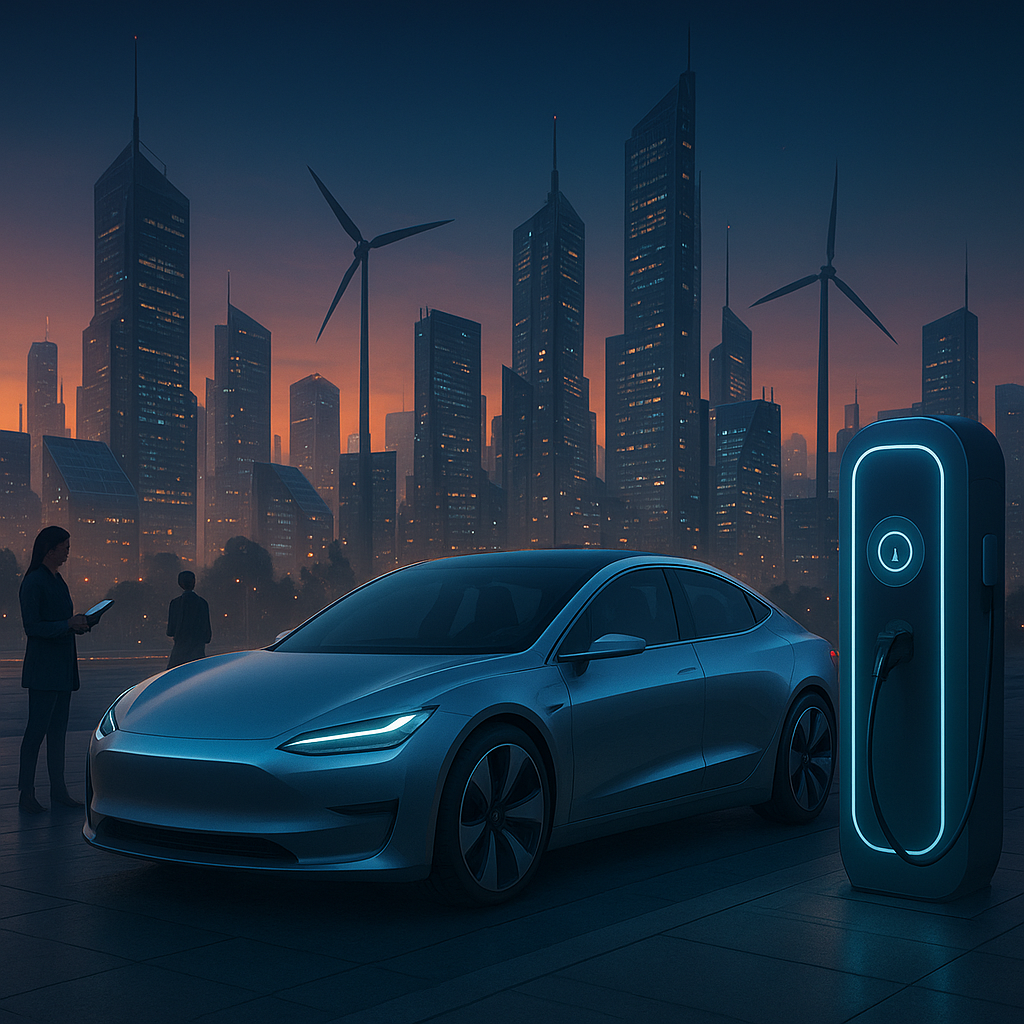
Charging Infrastructure: The expansion of ultra-fast charging networks is making long-distance travel more feasible. Several countries in Europe and North America have committed to building charging corridors with 350kW+ chargers, reducing charging times to under 20 minutes for most vehicles. This progress addresses one of the persistent hesitations among potential EV buyers.
Regulatory Landscape: New emission standards in the EU and California have tightened restrictions on internal combustion vehicles, accelerating the phase-out timeline. Automakers must comply by increasing EV production or face penalties, a pressure that has spurred innovation and production scale.
For further insights on recent trends and upcoming models, readers can explore Electric Vehicles Surge Forward: What’s Coming to Roads Next and The Next Generation of Electric Vehicles: What’s Rolling Out Soon.
“The rapid evolution of EV technology, particularly in battery chemistry and charging infrastructure, is reshaping consumer expectations and industry standards alike,” said Dr. Lena Hoffman, an automotive technology analyst at Green Future Insights.
Industry Experts Weigh In: The Broader Impact of Upcoming EVs
The seismic shift toward electric vehicles transcends mere transportation. Experts emphasize the ripple effects on energy grids, urban planning, and global economies. Dr. Raj Patel, a leading expert in sustainable mobility, notes that the integration of vehicle-to-grid (V2G) technology could transform how energy demand is managed, providing grid stability and renewable energy storage solutions.
Automakers are also grappling with the challenge of sustainability beyond just tailpipe emissions. New models increasingly incorporate recycled materials, ethical sourcing of minerals, and circular economy principles. This holistic approach is redefining what it means to produce an “eco-friendly” vehicle.
From a consumer perspective, the proliferation of EV choices accompanied by improved affordability and enhanced features is driving adoption beyond early adopters to mainstream buyers. This democratization of electric mobility is crucial for meeting climate targets.
“The future EV market will be defined not only by technological innovation but by how well manufacturers address the full lifecycle impact of their vehicles,” emphasized Patricia Gomez, Chief Sustainability Officer at the Global Automotive Forum.
Looking Ahead: What to Watch in the Electric Vehicle Revolution
The horizon for electric vehicles is bright but complex. Key trends to monitor include:
- Battery Breakthroughs: Further advances in solid-state technology and alternative chemistries may soon enable mass-market EVs with 600+ miles range and sub-10-minute charging.
- Autonomous Integration: Many upcoming EVs come equipped with advanced driver-assistance systems (ADAS), moving closer to fully autonomous capabilities. Regulatory approvals and safety validations will shape deployment timelines.
- Market Expansion: Emerging markets in Asia, Africa, and Latin America are poised for EV growth, driven by urbanization and supportive policies.
- Infrastructure Scaling: The pace of public and private investment in charging networks will be critical to sustaining consumer confidence and usage.
- Energy Ecosystem: Integration with renewable energy sources and smart grid technologies will enhance sustainability and cost-effectiveness.
Consumers and stakeholders should prepare for a dynamic landscape where electric vehicles are not just alternatives but preferred choices, reshaping mobility fundamentally. For those interested in the experiential side of owning multiple EVs and the evolving buyer mindset, Owning Two EVs Changed How I See Driving and Buying Electric Cars offers valuable perspective.
In conclusion, the electric vehicle market is on the cusp of transformative growth fueled by innovation, regulation, and consumer demand. The upcoming models reflect this trajectory, promising enhanced performance, sustainability, and accessibility. Staying informed about these developments is essential for anyone invested in the future of transportation.
- Upcoming EVs will benefit from solid-state batteries, offering faster charging and improved safety.
- Automakers are expanding modular platforms to accelerate production and reduce costs.
- Charging infrastructure investments are making long-distance EV travel increasingly practical.
- Regulatory pressures continue to push manufacturers toward electrification.
- Integration of V2G technology will redefine energy consumption and grid management.