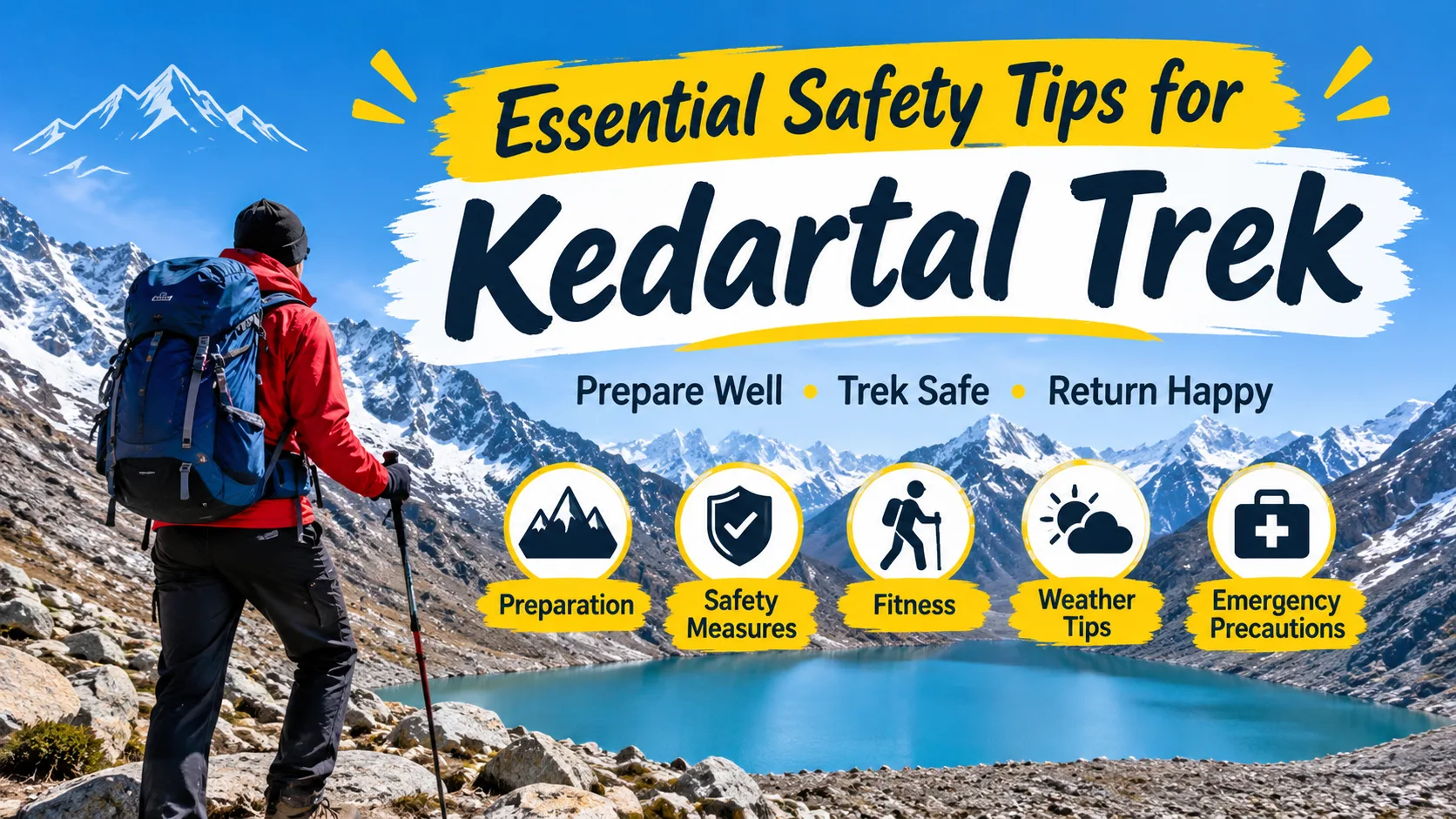
Essential Safety Tips for a Successful Kedartal Trek
The Himalayas offer some of the most breathtaking trekking experiences in India, and Kedartal is undoubtedly one of them. Surrounded by magnificent mountain peaks, glaciers and rocky landscapes, the Kedartal Trek attracts adventure enthusiasts who want to explore the untouched beauty of Uttarakhand. However, this beautiful destination also comes with serious challenges that every trekker should understand before planning the journey.
Located at an altitude of approximately 4,700 metres above sea level, Kedartal is a high-altitude glacial lake in the Gangotri region of Uttarkashi. The trek begins from Gangotri and takes trekkers through steep mountain trails, rocky paths, high-altitude campsites and unpredictable Himalayan weather. According to Uttarakhand Tourism, this is a difficult trek best suited for experienced trekkers.
Whether you are planning your first challenging Himalayan adventure or have previous trekking experience, following the right Kedartal Trek safety tips can help you prepare better and make informed decisions.
1. Understand the Difficulty Level Before Starting
One of the most important Kedartal Trek preparation tips is understanding the difficulty level of the route. This trek is not suitable for everyone, especially those without previous high-altitude trekking experience.
The trail includes steep ascents, narrow sections, loose rocks and challenging mountain terrain. As you move towards higher elevations, the oxygen availability decreases, making physical activities more demanding.
Before booking your Kedartal Trek package, consider your previous trekking experience and physical fitness. Completing shorter Himalayan treks before attempting Kedartal can help you understand how your body responds to long walking hours and changing altitudes.
Never choose a challenging trek simply because of its popularity or scenic beauty. Knowing your limitations is an important part of mountain safety.
2. Give Your Body Enough Time to Acclimatize
Altitude sickness is one of the major concerns during high-altitude trekking. As you gain elevation, the amount of available oxygen decreases, and your body needs time to adjust to these changes.
The Kedartal Trek reaches an altitude of more than 4,700 metres, making acclimatization extremely important.
Here are some useful acclimatization practices:
- Spend adequate time at intermediate altitudes before starting the trek.
- Follow the acclimatization schedule suggested by your trekking guide.
- Avoid rushing through steep sections.
- Drink sufficient water throughout the day.
- Avoid alcohol and smoking during the ascent.
- Inform your guide immediately if you experience unusual symptoms.
Common symptoms of altitude sickness include headaches, nausea, dizziness, loss of appetite and unusual tiredness. Severe symptoms such as difficulty breathing at rest, confusion or problems with coordination require immediate medical attention and descent.
Never ignore these warning signs or continue climbing just to reach the campsite.
3. Check Weather Conditions Before the Trek
Weather in the Himalayan region can change unexpectedly. A clear morning can turn into a cloudy afternoon, with strong winds, snowfall or sudden temperature drops.
This is particularly important for the Kedartal Trek because the route passes through exposed mountain terrain and high-altitude areas.
Before starting your journey:
- Check the latest weather forecast.
- Follow official weather warnings.
- Confirm trail conditions with local authorities.
- Avoid trekking during heavy snowfall or unfavourable weather.
- Keep additional buffer days in your travel schedule.
Do not depend only on weather applications. Local guides and forest officials can provide important information about actual ground conditions.
If authorities restrict trekking activities, follow their instructions instead of taking unnecessary risks.
4. Always Trek With an Experienced Guide
Choosing an experienced trekking guide is another important Kedartal Trek safety measure. The route includes difficult terrain where proper navigation and local knowledge can make a significant difference.
An experienced guide can help trekkers understand trail conditions, identify potential hazards, maintain a suitable walking pace and make decisions when weather conditions change.
Before selecting a trekking company, check:
- Experience in organising high-altitude Himalayan treks.
- Availability of trained guides and support staff.
- Emergency response and evacuation arrangements.
- Quality of trekking and safety equipment.
- Proper permits and required permissions.
Avoid attempting the Kedartal route independently without the necessary technical experience, equipment and support.
5. Carry the Right Trekking Gear and Safety Essentials
Packing the right equipment is an important part of Kedartal Trek preparation. Since the route includes rocky sections, cold temperatures and unpredictable weather, your trekking gear should be suitable for high-altitude conditions.
Some essential items include:
Clothing
- Thermal innerwear
- Insulated jacket
- Waterproof and windproof outer layer
- Trekking trousers
- Warm gloves and woollen socks
- Comfortable trekking shoes with good grip
Personal essentials
- Sunglasses with UV protection
- Sunscreen and lip balm
- Water bottle
- Headlamp with extra batteries
- Personal toiletries
- Energy snacks
Safety and medical essentials
- Personal medicines
- Basic first-aid kit
- Blister treatment supplies
- Emergency whistle
- Personal identification documents
Your trekking operator should also arrange appropriate group safety and emergency equipment according to the route and prevailing conditions.
Do not compromise on footwear or protective clothing to reduce backpack weight.
6. Maintain Physical Fitness Before the Trek
Physical preparation is essential for completing a demanding Himalayan trek. The Kedartal route requires stamina, leg strength, balance and the ability to walk for several hours on uneven terrain.
Start preparing at least four to six weeks before your planned trek, or earlier if your fitness level requires it.
A basic preparation routine can include:
- Brisk walking for 30–45 minutes.
- Stair climbing to improve endurance.
- Squats and lunges for leg strength.
- Light jogging or cycling.
- Regular stretching exercises.
- Practice walks with a moderately loaded backpack.
Gradually increase your exercise intensity instead of suddenly starting difficult workouts.
If you have an existing medical condition, consult a qualified doctor before planning a high-altitude trek. Physical fitness alone does not guarantee protection from altitude-related illness.
7. Stay Hydrated and Eat Properly
Long trekking hours and cold weather can make it easy to forget about drinking water. However, maintaining hydration and proper nutrition is essential for supporting your energy levels.
Carry enough drinking water and refill it only at safe, approved sources. Follow your trekking operator's instructions for water treatment where necessary.
During the Kedartal Trek, include nutritious meals and energy-rich snacks in your daily routine.
Some useful food options include:
- Dry fruits and nuts
- Energy bars
- Chocolates
- Fresh or dried fruits
- Nutritious packed meals
Avoid skipping meals, even when you feel less hungry at higher altitudes. Eating regularly can help maintain energy during long walking hours.
8. Follow Trail Discipline and Avoid Unnecessary Risks
Mountain trails require patience and attention. Rushing, taking shortcuts or trying to overtake other trekkers on narrow paths can increase the risk of accidents.
Always maintain a comfortable walking pace and follow the instructions of your guide.
Keep these points in mind:
- Stay with your trekking group.
- Do not walk too close to unstable edges.
- Avoid loose rocks and unsafe shortcuts.
- Maintain distance from potentially unstable snow slopes.
- Do not cross streams without proper guidance.
- Stop at designated rest points.
- Never leave the marked trail without permission.
If you encounter a difficult section, wait for your guide's instructions rather than attempting to cross it independently.
9. Understand Avalanche and Landslide Risks
Avalanches, falling rocks and landslides are serious hazards in high-altitude Himalayan regions. Snow accumulation, changing temperatures and unstable slopes can make certain sections dangerous.
Kedartal's remote mountain environment requires extra caution, particularly during periods of snowfall and unstable weather.
Trekkers should never enter avalanche-prone sections without professional assessment and appropriate safety arrangements.
Avoid standing below unstable snow slopes or steep rocky faces. If your guide or local authorities advise changing the route or cancelling the trek, follow their decision.
Mountain safety should always be more important than reaching the destination.
10. Keep an Emergency Plan Ready
Even with proper preparation, unexpected situations can occur during a Himalayan trek. Therefore, every trekking group should have a clear emergency plan.
Before departure, confirm that your trekking operator has:
- Emergency contact information.
- A communication arrangement for remote areas.
- A first-aid and medical response plan.
- An evacuation strategy.
- Information about the nearest available medical facilities.
Share your itinerary and expected return date with a trusted family member.
Mobile network coverage may be unreliable in remote mountain areas, so do not depend entirely on your phone for communication.
If an emergency occurs, inform your guide immediately and follow the group's emergency procedures. Do not separate from the group to seek help independently.
11. Respect Nature and Follow Responsible Trekking Practices
Safety during the Kedartal Trek is not limited to personal preparation. Responsible behaviour also helps protect the fragile Himalayan environment.
The region is home to sensitive mountain ecosystems, glaciers and wildlife. Every trekker has a responsibility to minimise their environmental impact.
Follow these simple practices:
- Carry your waste back to designated disposal points.
- Avoid using single-use plastic.
- Do not disturb wildlife.
- Avoid damaging vegetation.
- Use designated camping areas.
- Keep the surroundings clean.
- Respect local rules and forest department instructions.
Protecting the natural environment helps preserve Kedartal for future generations of trekkers.
Final Thoughts
The Kedartal Trek is an extraordinary Himalayan adventure, but its challenging terrain, high altitude and unpredictable weather demand serious preparation. From physical fitness and acclimatization to choosing an experienced guide and carrying appropriate equipment, every safety measure plays an important role in your trekking experience.
Remember that reaching Kedartal is not more important than returning safely. Listen to your body, respect weather conditions, follow local authorities and never take unnecessary risks.
With responsible planning, proper guidance and a safety-first approach, trekkers can better prepare themselves for this remarkable journey through the mountains of Uttarakhand.
If you are planning your next Himalayan adventure, explore the Kedartal Trek with Mountainiax and make preparation, safety and responsible travel your priorities.