Religious symbols can be hard to read. A lamp, a trumpet, or a flame shows up in a passage, and most readers either skip past it or settle on the first meaning that comes to mind. The result is a shallow reading of something that was meant to be thought over slowly.
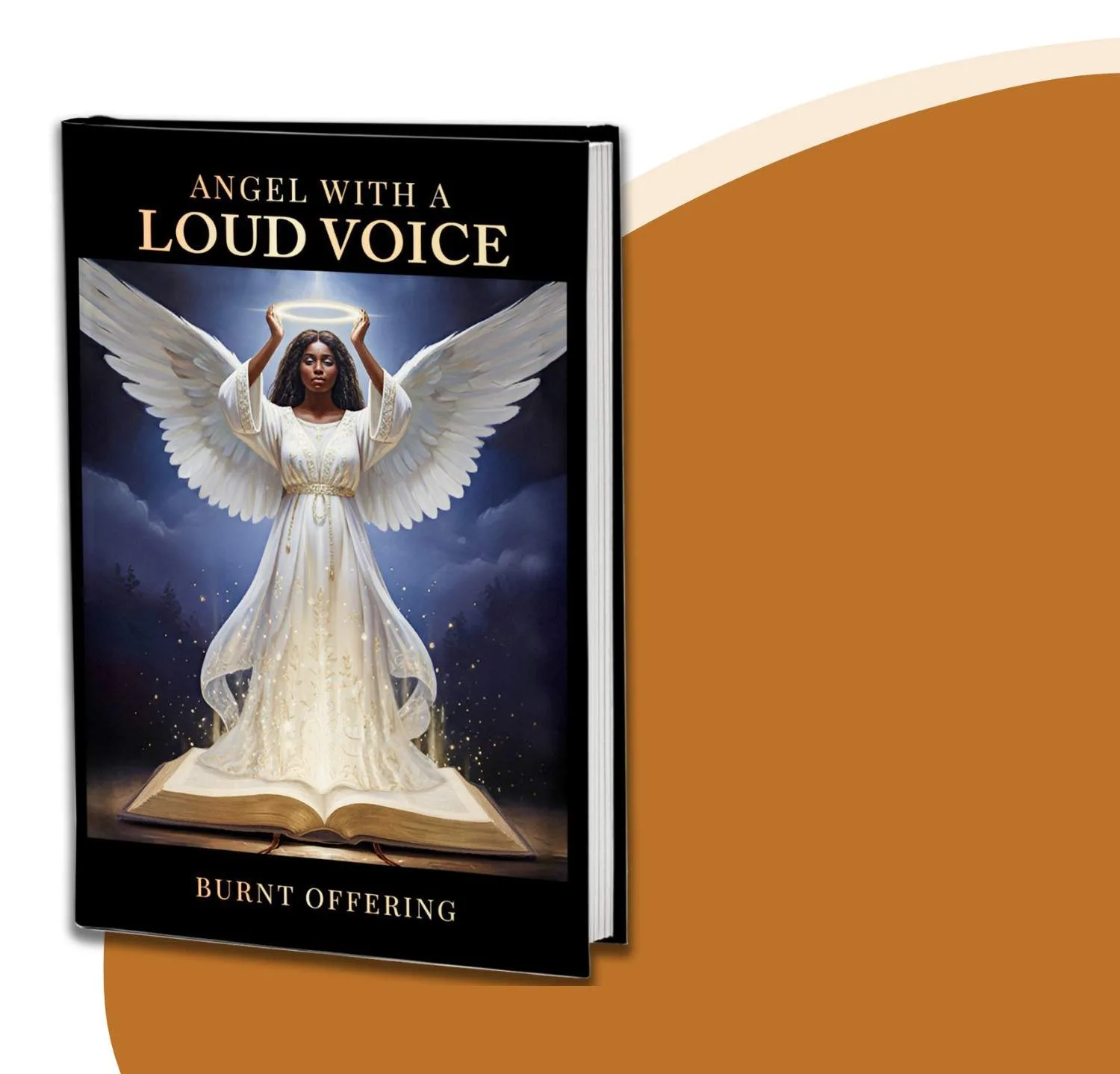
A better approach is to treat each image as part of a larger pattern. That is the heart of the Angel With A Loud Voice Religious Vision, which invites readers to look closely, compare Scripture with Scripture, and let the symbols explain themselves. This post walks through how that kind of reading works.
Why Symbols Matter
Symbols carry weight in a few words. One image can hold a whole teaching, which is why writers across the Bible used them so often.
A single symbol usually does three jobs:
- It points to something unseen.
- It connects one passage to another.
- It sticks in the memory long after the details fade.
Common Images and Their Layers
Fire, altars, light, and sound appear again and again in Scripture. Each one has more than one layer, and the layers change slightly with context.
Take fire. It can stand for purification, judgment, or the presence of God. The surrounding verses usually tell you which meaning fits. Reading the whole chapter, not just the line with the image, saves you from most mistakes.
The Role of Mystery
Mystery is not the same as confusion. In Christian tradition, mystery means something real that cannot be fully explained, only approached with humility.
This is where Angel With A Loud Voice Christian Mysticism comes in. Mysticism here is not about escaping the text. It is about staying with the text long enough that its meaning begins to open up, one layer at a time.
How to Read a Vision Carefully
A few habits make the difference between guessing and understanding:
- Read the passage aloud, slowly.
- Mark every image that repeats.
- Look up each image elsewhere in the Bible.
- Note what the passage does not say.
Avoiding Common Mistakes
Even careful readers slip. Here are the traps worth watching for:
- Forcing a modern meaning onto an ancient image.
- Treating one verse as the whole story.
- Ignoring the people the text was first written to.
- Mixing personal opinion with what the passage actually states.
Making It Personal
Study becomes more meaningful when it touches daily life. After working through a passage, ask what it asks of you. Keep a short journal and write one sentence per session. Over a month, those sentences form a record of how your understanding has grown.
Final Thoughts
Symbols reward patience. When you slow down, compare passages, and respect the mystery, the images start to speak clearly. The Angel With A Loud Voice Religious Vision gives readers a steady framework for that kind of study, and Angel With A Loud Voice Christian Mysticism reminds us that understanding often comes quietly, through attention and humility. Open your Bible, pick one image, and follow it wherever the text leads.