The eyes play an important role in facial expression and overall appearance. Changes around the eyes can sometimes make a person look tired, older, or less refreshed than they feel. Ageing, genetics, lifestyle factors, and natural changes in skin elasticity can contribute to drooping eyelids, excess skin, and under-eye bags. Eyelid Surgery in Dubai is a cosmetic treatment option that helps address these concerns by improving the appearance of the upper and lower eyelids. Also known as blepharoplasty, this procedure focuses on removing or repositioning excess skin and fat to create a more balanced appearance around the eyes.
Eyelid surgery can be performed for cosmetic reasons or, in certain cases, to address functional problems caused by excess upper eyelid skin. The treatment approach depends on individual anatomy, skin condition, medical history, and desired outcomes. A personalised assessment is essential to determine the most appropriate surgical technique.
Understanding the Eyelid Surgery Procedure
Blepharoplasty is a surgical procedure designed to improve the appearance of the eyelids by addressing excess skin, fat deposits, and selected tissue changes. The procedure can involve the upper eyelids, lower eyelids, or both, depending on the individual's concerns.
During upper eyelid surgery, an incision is generally made within the natural crease of the eyelid. Excess skin may be removed, and selected fat or muscle tissue may be adjusted when necessary. This can help improve the appearance of heavy or drooping upper eyelids while maintaining the natural shape of the eyes.
Lower eyelid surgery focuses on reducing the appearance of under-eye bags, puffiness, and excess skin. Depending on the patient's anatomy, the surgeon may remove or reposition fat deposits and address loose skin. The incision may be placed just below the eyelashes or inside the lower eyelid.
Different Types of Eyelid Surgery
Upper eyelid surgery is commonly considered by individuals experiencing loose skin or heaviness around the upper eyelids. Excess skin may create a tired appearance and, in some cases, interfere with the upper field of vision. Removing carefully selected amounts of skin can improve eyelid definition and may provide functional benefits when medically indicated.
Lower eyelid surgery is designed to address under-eye bags, puffiness, and selected concerns related to loose skin. Fat repositioning may help create a smoother transition between the lower eyelid and cheek area. The technique depends on the amount of excess skin, fat distribution, and natural facial structure.
Combined upper and lower eyelid surgery may be considered when concerns affect both areas. Treating both eyelids can provide more comprehensive rejuvenation while maintaining facial balance. However, the suitability of combined surgery depends on individual health and surgical assessment.
Benefits of Eyelid Surgery
One of the main benefits of Eyelid Surgery in Dubai is the improvement of visible signs of ageing around the eyes. By addressing excess skin and prominent fat deposits, blepharoplasty can create a more refreshed facial appearance.
Upper eyelid surgery may improve the definition of the eyelid crease and reduce the heavy appearance caused by excess skin. In selected patients, it can also improve vision when drooping skin obstructs the visual field.
Lower eyelid surgery can help reduce the appearance of prominent under-eye bags and create smoother contours beneath the eyes. The procedure may also improve the overall balance between the eyelids and surrounding facial features.
Although eyelid surgery can provide long-lasting improvements, it does not stop the natural ageing process. Results vary according to skin quality, anatomy, surgical technique, and individual healing.
Ideal Candidates for Eyelid Surgery
Suitable candidates for eyelid surgery are generally adults in good overall health who have concerns such as excess eyelid skin, under-eye bags, or drooping upper eyelids. Individuals should have realistic expectations and understand the possible benefits and limitations of surgery.
A detailed assessment is particularly important for people with dry eyes, thyroid-related eye conditions, glaucoma, previous eye surgery, or other existing eye problems. These factors may influence surgical planning and recovery.
Smoking, certain medications, and medical conditions can also affect healing. Patients should provide a complete medical history and discuss their expectations during consultation. A qualified surgeon can determine whether upper eyelid surgery, lower eyelid surgery, or a non-surgical alternative is more appropriate.
Recovery and Healing After Eyelid Surgery
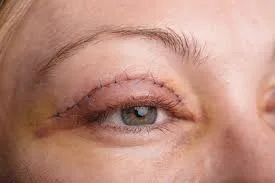
Recovery following blepharoplasty varies depending on the surgical technique and whether the upper or lower eyelids are treated. Temporary swelling, bruising, tightness, and mild discomfort are common during the initial healing period.
Cold compresses may be recommended to help manage swelling. Patients are generally advised to keep their heads elevated while resting and avoid strenuous exercise during the early recovery stage. Following instructions regarding eye drops, medication, wound care, and follow-up appointments is important.
Temporary dryness, watering, sensitivity to light, or blurred vision can occur after surgery. These symptoms should be discussed with the treating surgeon, particularly if they persist or become worse. Most visible bruising and swelling gradually improve over the following weeks, although complete healing may take longer.
Possible Risks and Safety Considerations
Like other surgical procedures, eyelid surgery carries potential risks. These may include infection, bleeding, scarring, asymmetry, dry eyes, difficulty closing the eyes completely, changes in sensation, and dissatisfaction with the cosmetic outcome.
Rare but serious complications involving vision can occur. Excessive removal of skin or fat may also create an unnatural appearance or affect eyelid function. Choosing an appropriately qualified and experienced surgeon and following postoperative instructions are important steps in reducing risks.
Patients should seek urgent medical attention if they experience sudden vision changes, severe eye pain, or rapidly increasing swelling after surgery.
Maintaining Natural-Looking Results
Natural-looking eyelid rejuvenation depends on careful surgical planning and an understanding of individual facial proportions. The goal is to improve the appearance of the eyes without changing their natural shape or creating an overly tight appearance.
Healthy lifestyle habits, sun protection, appropriate skincare, and regular eye examinations can support overall eye health and skin quality. However, these measures cannot prevent all age-related changes around the eyelids.
Conclusion
Eyelid Surgery in Dubai offers a surgical option for individuals who want to address drooping eyelids, excess skin, and prominent under-eye bags. Through upper or lower blepharoplasty, the procedure can improve eyelid contours and create a more refreshed appearance. Understanding the treatment options, potential benefits, recovery requirements, and associated risks is essential before making a decision. A personalised medical assessment helps determine suitability and supports safe, balanced, and natural-looking outcomes.