
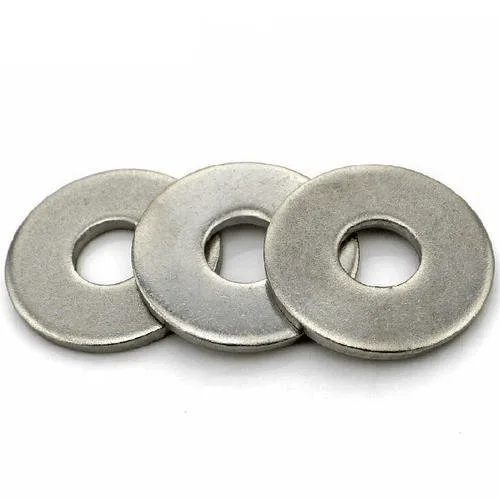
Flat washers are small but important parts used with bolts, screws, and nuts. They may look simple, but they help make a bolted joint stronger, safer, and more reliable. A flat washer is normally a thin, round metal disc with a hole in the centre. It is placed between the fastener and the surface being joined.
Flat washers are widely used in construction, machinery, automotive work, fabrication, electrical equipment, and many industrial applications. They are available in different sizes, materials, thicknesses, and finishes to suit different working conditions.
What Is a Flat Washer?
A flat washer is a simple mechanical component used with threaded fasteners. It is usually placed under the head of a bolt or screw, or under a nut.
When a bolt or nut is tightened, the fastener applies pressure to the material. A flat washer spreads this pressure over a larger area. This helps reduce damage to the surface and provides better support for the fastener.
Flat washers can be made from materials such as stainless steel, carbon steel, alloy steel, brass, and other metals depending on the application.
Why Are Flat Washers Used?
A washer has a simple job, but it can make a big difference in a fastening connection.
1. Spreads the Load
The main purpose of a flat washer is to spread the load of the fastener over a larger area. Without a washer, the bolt head or nut may press into the surface.
2. Protects the Surface
Flat washers help protect painted, coated, soft, or finished surfaces from damage caused by tightening a nut or bolt.
3. Provides Better Support
A washer creates a stable bearing surface under the fastener. This can help the joint stay properly assembled.
4. Helps Prevent Surface Damage
When fasteners are tightened, they can leave marks or dents on the material. A flat washer helps reduce this problem.
5. Makes Assembly Easier
Using the correct washer gives the fastener a smooth surface to bear against, which can make installation and tightening more consistent.
Common Types of Flat Washers
Flat washers are available in many designs. The right type depends on the fastener size, material, load, and working environment.
Standard Flat Washers
These are the most common washers and are used for general fastening work. They are suitable for many construction, fabrication, and maintenance applications.
Heavy Flat Washers
Heavy flat washers are thicker or have a larger outside diameter than standard washers. They are used when a larger bearing area or greater support is required.
Fender Washers
Fender washers have a large outside diameter compared with the hole size. They are useful when the load needs to be spread over a wider surface area.
Countersunk Washers
These washers are designed for applications where the fastener head needs to sit more flush with the surrounding surface.
Materials Used for Flat Washers
The material of a flat washer should match the application and environment.
Stainless Steel Flat Washers
Stainless steel washers offer good resistance to corrosion and are commonly used in outdoor, marine, food-processing, chemical, and general industrial applications.
Carbon Steel Flat Washers
Carbon steel washers are widely used because they provide good strength and are suitable for many general-purpose applications. They are often available with protective coatings for improved corrosion resistance.
Alloy Steel Flat Washers
Alloy steel washers are selected for applications where higher strength and durability are required.
Brass Flat Washers
Brass washers are useful where corrosion resistance, appearance, or electrical properties are important.
Applications of Flat Washers
Flat washers are used in many industries because they work with a wide range of bolts, screws, and nuts.
Some common applications include:
- Construction equipment
- Steel structures
- Automotive components
- Industrial machinery
- Electrical panels and equipment
- Fabrication work
- Agricultural machinery
- Plumbing equipment
- General maintenance
- Manufacturing equipment
- Furniture assembly
- Outdoor structures
In industrial machinery, flat washers are often used wherever bolted connections need proper load distribution and surface protection.
How to Choose the Right Flat Washer
Choosing a washer is not only about matching the bolt diameter. Several factors should be considered.
Washer Size
The inside diameter should fit the fastener properly. The outside diameter should provide enough bearing area for the application.
Thickness
The required thickness depends on the joint design and load. A heavier washer may be needed for demanding applications.
Material
Select a material based on strength, corrosion resistance, temperature, and the material of the parts being joined.
Surface Finish
Washers may be plain, zinc-plated, galvanized, or supplied with other finishes. The finish can help improve corrosion resistance and service life.
Application
Think about where the washer will be used. Indoor machinery may require a different washer from equipment exposed to rain, chemicals, moisture, or salt water.
Flat Washers vs Lock Washers
Flat washers and lock washers are not the same.
A flat washer is mainly used to distribute load and protect the surface. A lock washer is designed to provide resistance to loosening in certain applications.
The choice depends on the joint design. In some assemblies, a flat washer may be used together with a nut and another type of locking method.
Benefits of Using Quality Flat Washers
A good-quality flat washer can provide several practical benefits:
- Better load distribution
- Protection against surface damage
- Improved fastening support
- Good fit with bolts and screws
- Better joint reliability
- Availability in many materials and sizes
- Suitability for different industrial applications
The washer may be a small part of an assembly, but using the correct size and material can help improve the overall fastening connection.
Where Flat Washers Are Commonly Used in Industry
In fabrication and construction, flat washers are often installed with structural bolts and other fasteners. In machinery, they can help distribute pressure around mounting points.
They are also useful in automotive assemblies, where bolts and nuts are used to connect different components. In electrical and general engineering work, washers are selected according to the fastener size and operating environment.
For outdoor applications, corrosion-resistant materials or protective coatings are often considered to help the washer perform in wet or humid conditions.
Importance of Proper Installation
Even a high-quality flat washer needs to be installed correctly. The washer should sit flat against the mating surface and should be suitable for the fastener being used.
The bolt, washer, nut, and connected materials should all be suitable for the intended load and service conditions. Over-tightening a fastener can damage the washer, fastener, or connected material, while insufficient tightening may result in a loose joint.
For critical connections, the fastening procedure should follow the relevant engineering requirements and specifications.
Final Thoughts
Flat washers are simple, useful, and widely used fastening components. Their main purpose is to spread the load of a bolt or nut and protect the surface underneath. They are available in different sizes, materials, thicknesses, and finishes for different applications.
For more details contact us-
Email-bcf.fittings@gmail.com
Phone-+91-7977945282
Website-https://www.rajgranthfasteners.com/flat-washers-manufacturers-suppliers-exporters-stockists.html