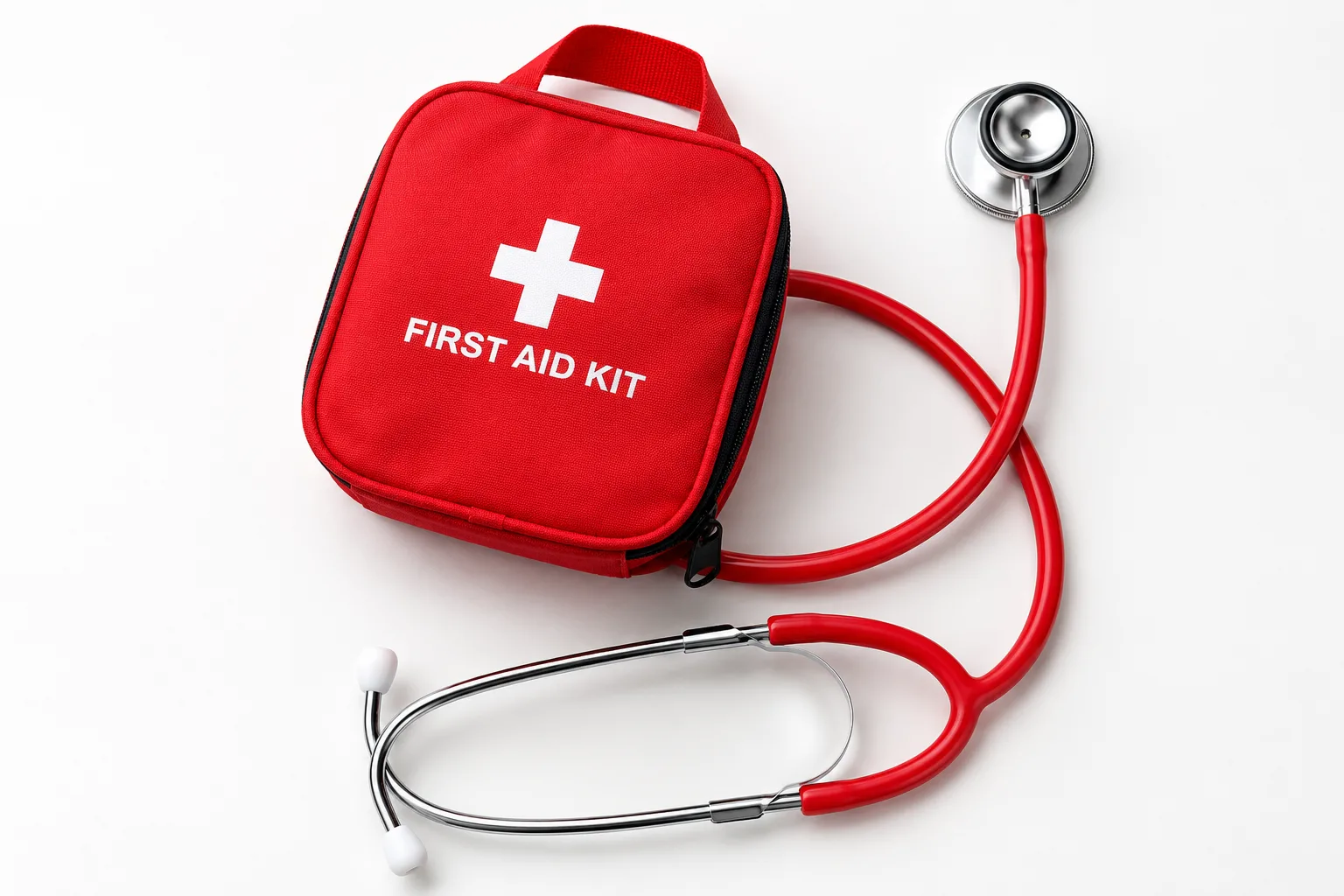
Unexpected medical emergencies and accidents can occur in public areas, businesses, schools, and homes. While expert medical assistance is being organized, it can be crucial to know how to react calmly. A free online first aid course may teach students the fundamentals of emergency response, enabling them to know what to do in the event that someone is hurt or unexpectedly ill.
Why First Aid Knowledge Matters
Proper procedures aren't limited to health care professionals. Anyone who works at an institution, including employees, parents, guardians, students, and volunteers, will find it useful.
The right information makes it easier for individuals to spot emergencies and respond in an organized manner without panicking.
Some of the aspects of awareness are:
* Identification of common diseases and injuries
* Awareness of emergency first-aid treatment procedures
* Awareness of situations in which to call for help
* Assisting a needy person without putting oneself in jeopardy
* Self-protection
* Keeping calm until professional help is available
Learning Essential Emergency Skills
An online first aid course offers a convenient way to explore key first-aid principles without requiring learners to attend a classroom for every part of their initial learning.
Online learning can be particularly useful for people with busy schedules. Learners may be able to study from home, during suitable breaks, or at another convenient location depending on the course structure.
Some of the areas that can be covered when teaching first aid can include:
* CPR Awareness
* Recovery Positioning
* Choking
* Bleeding and Wound Treatment
* Burns
* Fractures and Sprains
* Fainting and Shock
* Medical Emergencies
Understanding these subjects gives learners a clearer idea of how to respond when an emergency occurs.
Benefits of Flexible First Aid Learning
Traditional classroom training can sometimes be difficult to fit around employment, education, family responsibilities, or other commitments. Digital learning offers another way to access educational material.
Some potential advantages include:
Convenient Study
Students can access educational content at times that suit them. This makes it easier to balance studies with other activities.
Accessible Information
Learners can go through topics systematically with the use of structured modules that contain essential ideas.
Flexible Revision
The opportunity to review learning material helps reinforce key information and build knowledge of emergency protocols.
Suitable for Different Learners
First-aid knowledge can be valuable for people from many backgrounds, including care workers, workplace employees, students, parents, and community volunteers.
Preparing for Emergencies at Work
Workplaces can have different risks depending on the environment. Offices, warehouses, construction areas, schools, care settings, and retail workplaces may face different emergencies.
Employees with first-aid awareness may be better prepared to identify an emergency and follow appropriate workplace procedures.
However, online learning should not automatically replace practical assessment where a particular role or qualification requires hands-on training. Learners should always check the requirements associated with their workplace or profession.
Building Confidence Through Regular Learning
First-aid knowledge should not necessarily be treated as something learned once and forgotten. Emergency procedures and workplace requirements can change, and skills and knowledge can become less familiar when not revisited.
Constant learning will enable people to:
* Refresh their knowledge base
* Learn about emergency responses
* Know the areas where further learning will be beneficial
* Be more aware of possible threats
* Be better prepared for any emergency
For people working in care environments, continuing professional development can also form an important part of maintaining knowledge and professional awareness.
Choosing Suitable First Aid Training
Learners need to evaluate whether the course material is relevant to their needs when choosing a course.
Some considerations before signing up could include:
* The topics and learning goals of the course
* Certification on completion of the course
* Practical assessment in the course
* Length and mode of the course
* Availability on various devices
* Relevance of the training to the job environment
A suitable learning program should provide clear information and help learners understand the boundaries of their knowledge.
Conclusion
Developing first-aid awareness can help people approach unexpected situations with greater knowledge and preparedness. Flexible learning can make essential information easier to access for people balancing work, education, and personal commitments.
For learners interested in flexible healthcare education, Care Learning provides online healthcare courses designed for care workers, healthcare assistants, support workers, students, and others interested in developing their healthcare knowledge. The platform also highlights flexible, self-paced learning and access across mobile, tablet, and desktop devices.
Frequently Asked Questions
Who can benefit from first-aid training?
First-aid education can benefit healthcare and care workers, employees, students, parents, volunteers, and members of the public. The most appropriate level of training depends on the person's responsibilities and circumstances.
Can first aid be learned online?
Many first aid concepts can be taught online. Nonetheless, some certifications and workplace positions may require in-person training.
Why is CPR awareness important?
CPR awareness helps people understand the basic steps to support someone unresponsive and not breathing normally while emergency medical assistance is being sought.
Should first-aid knowledge be refreshed?
Yes. Regular revision can help people stay familiar with key procedures and recognize when additional training may be appropriate.