
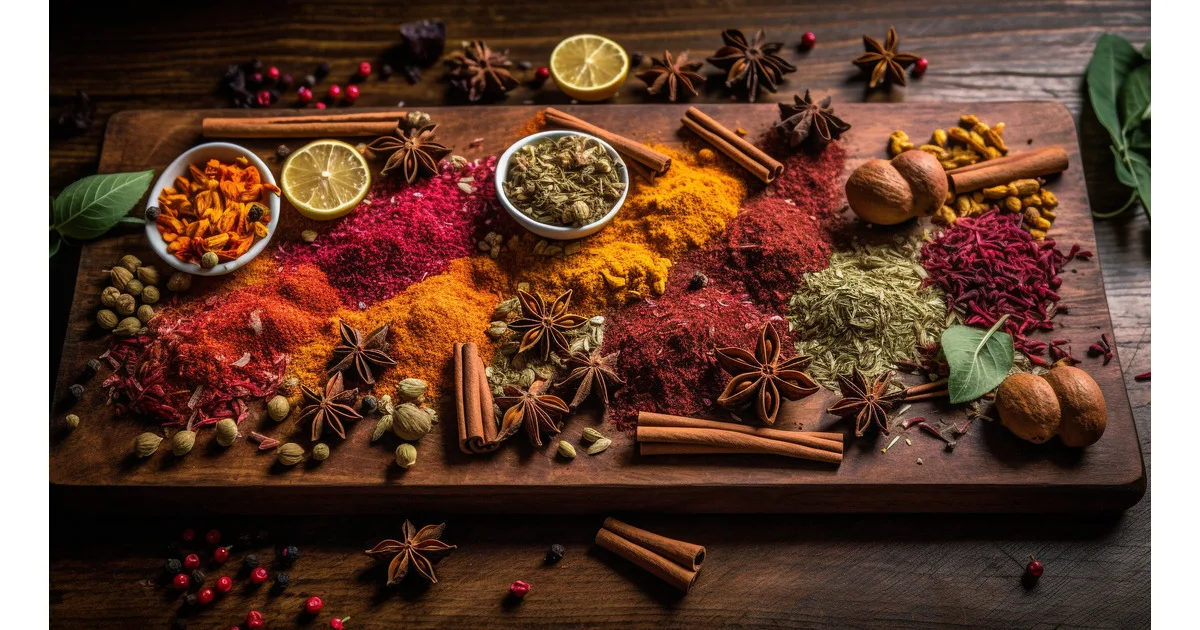
Indian cooking has an impressive range of seasonings, and each form brings something different to the kitchen. Whole spices and powdered varieties may come from the same ingredient, yet their aroma, texture, preparation, and storage needs can vary considerably. Knowing where each version fits can help home cooks make more informed choices while preparing familiar meals.
What Makes Whole Spices Different?
Whole spices are seeds, bark, pods, buds, or dried fruits kept largely intact. Cumin seeds, cardamom pods, cloves, cinnamon sticks, mustard seeds, black peppercorns, and fennel seeds are common examples. Because their surfaces remain relatively protected, whole varieties generally hold their natural fragrance for longer when stored correctly.
They are often added directly to hot oil or ghee at the beginning of cooking. This process releases their aromatic oils and allows those flavours to spread through the dish. A handful of cumin seeds sizzling in a pan, for instance, can create an entirely different opening note than simply adding powdered cumin later.
Why Ground Spices Are Convenient
Powdered seasonings offer a different kind of practicality. Since the ingredient has already been crushed, it can be measured quickly and mixed evenly into sauces, doughs, marinades, batters, or dry preparations. This makes ground versions especially useful during busy meal preparation.
Common examples include chilli powder, coriander powder, cumin powder, turmeric powder, and garam masala. Each can save preparation time while providing a consistent texture throughout the recipe. For dishes where a smooth finish matters, powdered seasonings are often easier to incorporate than whole pieces.
Grinding Changes the Experience
Once a spice is crushed, more of its surface comes into contact with air. This helps release its fragrance, but it also means the powder can gradually lose some of its aroma if left exposed for too long. That is why freshly ground seasonings can smell particularly vibrant.
This does not mean packaged powders are unsuitable. Properly processed and packed products can be useful for everyday cooking. The important factors include freshness, packaging quality, storage conditions, and how quickly the product is consumed after opening.
When Whole Spices Work Better
Whole varieties are especially useful when a recipe begins with a tempering or slow cooking process. They can flavour oils, broths, rice dishes, stews, and certain curries without making the final preparation grainy.
They also give cooks more control over intensity. A cinnamon stick or cardamom pod can be removed before serving, while ground seasoning remains incorporated throughout the preparation. This difference can be helpful when preparing dishes for people with varying preferences.
When Powders Make More Sense
Ground forms are convenient for recipes requiring even distribution. They work well in marinades, spice rubs, lentil preparations, vegetable dishes, savoury snacks, and many regional masala blends.
Powders are also useful when several seasonings need to come together quickly. Instead of measuring numerous whole ingredients and crushing them individually, a ready-made blend can simplify the process without adding unnecessary preparation time.
Can Both Forms Be Used Together?
Absolutely. Many recipes benefit from using both. Whole cumin or mustard seeds can provide an aromatic beginning, while coriander or chilli powder can build the body of the seasoning later. This creates layers of flavour rather than relying on a single form.
The trick is to understand what each ingredient contributes. Whole pieces often provide fragrance and texture, whereas powders spread their taste more broadly through the dish.
Storing Each Form Properly
Storage requirements deserve attention. Whole spices should be kept in sealed containers away from humidity, sunlight, and excessive warmth. Ground products need similar protection but may benefit even more from careful handling because their larger exposed surface can make them more vulnerable to air and moisture.
Always use dry measuring spoons and close containers after use. Keeping smaller quantities at hand can also be sensible if a particular seasoning is used only occasionally.
Making the Right Choice
There is no universal rule that says whole spices are always preferable to powdered ones. The better option depends on the recipe, available preparation time, desired texture, and personal cooking habits. Whole varieties suit slow infusions and tempering, while ground forms offer speed and easy blending.
For households building a versatile pantry, choosing reliable products matters more than simply selecting one format. When shopping online, compare ingredients, packaging information, quantity, and freshness details before ordering. Exploring best indian spices online can make it easier to find suitable options for everything from quick weekday meals to traditional recipes prepared at home.