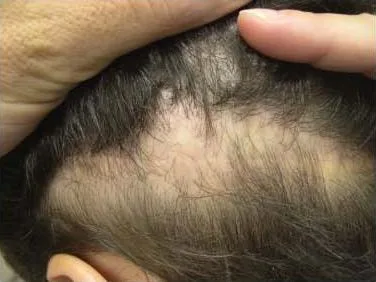
Here's something a lot of clinics don't bring up until after the procedure: scarring. Specifically, the FUE scar or, in cases of FUT, the wide donor scar that sometimes follows a strip-based hair transplant. If you've already had a procedure and you're dealing with a visible, stretched scar at the back of your scalp, first, you're not alone. And second, there are real solutions.
What Causes a Wide Donor Scar?
A wide donor scar typically results from an FUE hair transplant, where a strip of scalp is removed from the donor zone. Ideally, that scar heals thin and barely noticeable. But sometimes it doesn't. Poor skin laxity, an overly wide strip removal, or simply genetics can cause the scar to stretch wider over time. Attempts to surgically close or reduce it often fail because the skin simply stretches back.
This is, unfortunately, a common problem that even experienced hair restoration surgeons encounter. Knowing that it can happen and knowing what to do about it is what sets good clinics apart.
FUE Scars vs. FUT Scars: What's the Real Difference?
Before diving into solutions, it's worth understanding the distinction in the FUE vs FUT hair transplant debate.
- FUE (Follicular Unit Excision) removes individual follicles one at a time, leaving tiny dot-like marks that are largely invisible once healed.
- FUT (strip method) removes a linear section of scalp, which, if it heals poorly, can leave a noticeable band of scar tissue.
Neither method is inherently bad. However, patients with a history of poor healing or who prefer shorter hairstyles often lean towards FUE in Toronto specifically to avoid linear scarring.
So What Happens When the Scar Is Already There?
This is where things get genuinely interesting. Body hair transplantation into a wide donor scar has emerged as a highly effective solution. The technique involves harvesting grafts from elsewhere on the body, such as the chest, beard, or elsewhere and transplanting them directly into the scarred donor zone. The hair grows through the scar tissue, effectively camouflaging it.
Who Is a Candidate for This Procedure?
Not everyone with a FUE scar or wide donor scar needs surgical intervention. Sometimes, simply letting hair grow longer adequately conceals the area. But if the scar is wide, pale, and clearly visible, particularly when hair is worn short, then body hair transplantation into the scar is absolutely worth discussing with a qualified hair transplant specialist.
What to Realistically Expect
Patience is everything here. Results from surgical hair restoration into scar tissue tend to develop gradually. Three months post-procedure, you'll likely notice early growth. Full, mature results typically take closer to 12 months. Furthermore, the number of grafts required depends entirely on the scar's size and width, so a thorough consultation is essential before setting expectations.
The good news? Unlike repeated attempts at scar reduction surgery, which often just stretch right back, this approach addresses the visual problem at its root. Hair growing through the scar is far more effective than trying to close it.
Moving Forward With Confidence
Whether you're dealing with a FUE scar, a wide FUE donor scar, or simply researching your options before committing to a procedure, knowledge is your best tool. Speak with an experienced hair transplant doctor who understands both the surgical and corrective sides of hair restoration in Toronto. The right specialist will assess your scar, discuss realistic outcomes, and help you decide whether body hair transplantation is the right path forward. Because no one should have to live with a reminder of a procedure that was supposed to restore confidence in the first place.