Most homeowners don't think about their furnace until it stops working — usually on the coldest night of the year. A furnace tune up is the one piece of maintenance that quietly prevents that scenario, and it's also one of the most skipped services in home ownership. It's inexpensive, takes under an hour in most cases, and directly affects your energy bill, your indoor air quality, and how long your system lasts.
Here's what a furnace tune up actually involves, why it matters, and how to tell if you're overdue for one.
What Is a Furnace Tune Up?
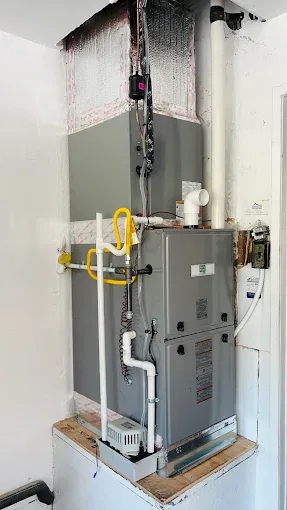
A furnace tune up is a scheduled inspection and maintenance visit where a technician checks, cleans, and adjusts the key components of your heating system. Unlike a repair, which happens after something breaks, a tune up is preventive — it's designed to catch small issues before they turn into no-heat emergencies or costly part failures.
Think of it the same way you'd think of an oil change for a car. Skipping it doesn't cause immediate failure, but it shortens the life of the system and increases the odds of a breakdown at the worst possible time.
What's Included in a Proper Furnace Tune Up
Not all tune ups are created equal. A thorough visit from a qualified technician should include:
Visual and Safety Inspection
- Checking the heat exchanger for cracks (a safety issue tied to carbon monoxide risk)
- Inspecting the flue and venting system for blockages or damage
- Testing carbon monoxide levels near the unit
Mechanical Checks
- Cleaning or replacing the air filter
- Lubricating moving parts, including motors and bearings
- Checking belts for wear or looseness
- Inspecting the blower motor and blower wheel for dust buildup
Electrical and Controls
- Testing the thermostat for accurate calibration
- Checking all electrical connections and tightening as needed
- Testing the ignition system or pilot light assembly
- Verifying safety switches are functioning correctly
Combustion and Efficiency
- Measuring gas pressure and burner flame condition
- Cleaning burners if carbon buildup is present
- Checking overall system airflow
If a technician is in and out in ten minutes without touching most of this list, you likely didn't get a full tune up.
Why a Furnace Tune Up Matters
It prevents mid-winter breakdowns. Most furnace failures don't happen randomly — they're the result of small issues (a dirty flame sensor, a worn belt, a clogged filter) that go unnoticed until the system shuts down entirely. Catching these during a scheduled visit avoids the no-heat emergency call.
It protects your family's safety. A cracked heat exchanger can allow carbon monoxide to leak into your home. This is invisible without proper testing equipment, which is exactly why the inspection portion of a tune up isn't optional.
It keeps energy bills in check. A furnace working harder than it should — due to a dirty filter, dirty burners, or poor airflow — uses more gas or electricity to produce the same amount of heat. Regular maintenance keeps efficiency close to the manufacturer's rating.
It extends the life of your system. Furnaces that receive annual maintenance commonly last longer than those that don't, simply because small wear issues get addressed before they cause bigger mechanical damage.
It often preserves your warranty. Many manufacturers require documented annual maintenance to keep warranty coverage valid. Skipping tune ups can void coverage on parts that would otherwise be free to replace.
How Often Should You Get a Furnace Tune Up?
Once a year, ideally in early fall before heating season starts. Scheduling ahead of the first cold snap means:
- Faster scheduling, since demand hasn't spiked yet
- Time to order parts if something needs replacing
- A furnace that's ready to go the moment you need it, rather than being tested for the first time during a cold night
If your furnace is older than 10 years, or supports a larger household, some technicians recommend a check-up twice a year — once in fall and a lighter check in spring.
Signs Your Furnace Needs a Tune Up Now
Even outside the annual schedule, a few warning signs mean it's time to call sooner:
- Uneven heating from room to room
- A noticeable increase in your gas or electric bill
- Strange smells when the furnace kicks on, especially a burning odor
- Rattling, banging, or squealing sounds
- The furnace short-cycling (turning on and off frequently)
- Yellow or flickering pilot light instead of steady blue
Any of these can indicate a problem that a tune up, or a follow-up repair, can address before it worsens.
What Does a Furnace Tune Up Cost?
Pricing varies by region and system complexity, but a standard residential furnace tune up is a modest cost compared to the price of an emergency repair or full system replacement. Many HVAC companies, including maintenance plan members, receive discounted tune up pricing or have it bundled into an annual service agreement — often alongside priority scheduling if something does go wrong later in the season.
Frequently Asked Questions
How long does a furnace tune up take? A thorough tune up typically takes 45 minutes to an hour, depending on the system's age and condition.
Can I do a furnace tune up myself? Homeowners can change filters and keep the area around the unit clear, but combustion testing, carbon monoxide checks, and internal component inspection require a licensed technician with proper tools.
What's the difference between a tune up and a repair? A tune up is preventive maintenance done on a working system to catch small issues early. A repair addresses a specific problem after the system has already started malfunctioning.
Will a tune up lower my energy bill? Yes, in most cases. A clean, properly calibrated furnace uses less energy to produce the same amount of heat, which typically shows up as a modest reduction in monthly utility costs.
Final Thoughts
A furnace tune up is one of the cheapest ways to avoid an expensive, badly-timed breakdown. It protects your safety, your wallet, and the lifespan of a system that's expensive to replace early. If it's been over a year since your last tune up — or you've never scheduled one — fall is the right time to get it done before the first cold night puts your furnace to the test.
Kailey Air Systems provides furnace tune ups and full HVAC maintenance plans across San Jose and the Bay Area. Licensed since 1999 (CA #1093765), our maintenance plan members get priority scheduling and discounted repairs year-round. Call (408) 300-0016 to schedule.