
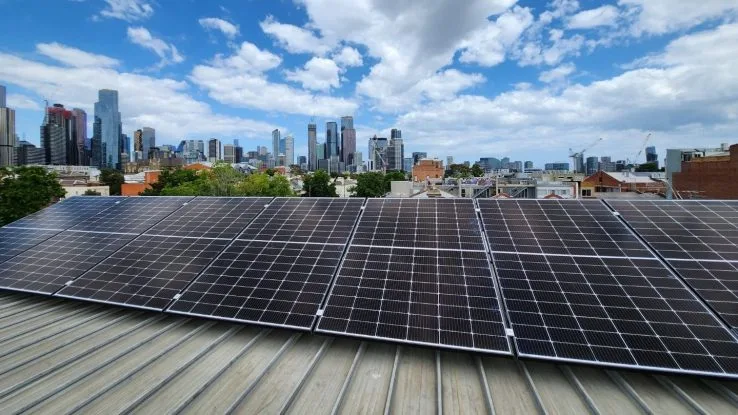
As electricity prices continue to rise across Australia, more homeowners are turning to renewable energy solutions to reduce their power bills and increase energy independence. Installing solar power panels for home use has become one of the most effective ways to achieve long-term savings while reducing environmental impact.
However, one of the biggest factors driving solar adoption is the range of government incentives available to help offset installation costs. These programs make investing in residential solar panels more affordable and accessible for Australian households.
In this guide, we'll explain the key government incentives available for home solar systems, how they work, and how homeowners can maximise their savings.
Why Governments Support Solar Energy
Governments at both federal and state levels encourage the adoption of renewable energy to help reduce greenhouse gas emissions and support Australia's transition to a cleaner energy future.
Solar energy offers several benefits, including:
- Reduced reliance on fossil fuels
- Lower household electricity costs
- Increased energy security
- Reduced strain on the electricity grid
- Support for national emissions reduction targets
To accelerate adoption, various incentive programs have been introduced to lower the upfront cost of installing solar power panels for home applications.
The Small-scale Renewable Energy Scheme (SRES)
One of Australia's most significant solar incentives is the Small-scale Renewable Energy Scheme (SRES).
This federal government initiative provides financial support through Small-scale Technology Certificates (STCs), which are generated when eligible solar systems are installed.
How STCs Work
The number of certificates your solar system creates depends on factors such as:
- System size
- Geographic location
- Expected energy generation
- Remaining years under the scheme
Solar installers typically apply the value of these certificates as an upfront discount on the purchase price, reducing the overall installation cost.
For many households, STCs can save thousands of dollars on a new solar system.
State-Based Solar Rebates
In addition to federal incentives, many Australian states offer their own rebate programs to further encourage solar adoption.
These rebates vary by state and may change over time, but they generally provide additional financial assistance for eligible homeowners.
Common state-level incentives may include:
- Solar panel rebates
- Interest-free loans
- Battery storage incentives
- Energy efficiency grants
- Virtual power plant participation programs
Homeowners should check the latest programs available in their state before proceeding with installation.
Feed-in Tariffs Explained
Another major benefit of installing residential solar panels is the opportunity to earn credits through feed-in tariffs.
What Is a Feed-in Tariff?
A feed-in tariff is a payment or credit provided by your electricity retailer for excess solar energy exported back to the grid.
When your solar system generates more electricity than your household consumes, the surplus energy is sent to the electricity network. In return, your energy retailer compensates you based on their feed-in tariff rate.
Benefits of Feed-in Tariffs
- Offsets electricity costs
- Improves solar return on investment
- Encourages renewable energy generation
- Reduces grid demand during daylight hours
While feed-in tariff rates vary between retailers and states, they can contribute to ongoing savings throughout the life of your solar system.
Battery Incentives and Energy Storage Programs
As battery technology becomes more affordable, many governments are introducing programs to encourage energy storage adoption.
Solar batteries allow homeowners to store excess solar energy generated during the day for use at night or during peak demand periods.
Potential benefits include:
- Increased self-consumption of solar energy
- Reduced grid reliance
- Greater energy independence
- Backup power capabilities
- Enhanced return on solar investment
Depending on your location, battery rebates or financing programs may be available alongside solar incentives.
How Incentives Reduce Solar Installation Costs
One of the primary reasons government support has been so successful is its ability to significantly reduce upfront installation costs.
For example, a homeowner considering solar power panels for home use may receive:
- Federal STC discounts
- State rebates
- Interest-free financing options
- Feed-in tariff benefits
- Potential battery incentives
When combined, these programs can make solar systems substantially more affordable than many homeowners initially expect.
This lower entry cost helps shorten the payback period and improves long-term financial returns.
Eligibility Requirements for Solar Incentives
While incentives can offer significant savings, homeowners must generally meet certain eligibility criteria.
Common requirements include:
Property Ownership
Many rebate programs require applicants to own the property where the solar system will be installed.
Accredited Installers
Solar systems typically must be installed by accredited professionals to qualify for government incentives.
Approved Products
The solar panels, inverter, and battery systems used must often appear on approved product lists.
Residential Use
Certain programs specifically target owner-occupied residential properties.
Checking eligibility before installation helps ensure homeowners receive the maximum available benefits.
Why Residential Solar Panels Remain a Smart Investment
Even without incentives, solar energy can provide substantial long-term savings. Government support simply improves the financial case further.
Key benefits of installing residential solar panels include:
Lower Electricity Bills
Generating your own electricity reduces the amount of energy purchased from the grid.
Protection from Rising Energy Costs
Solar systems help homeowners reduce exposure to future electricity price increases.
Increased Property Appeal
Energy-efficient homes are increasingly attractive to buyers and can enhance property value.
Environmental Benefits
Solar power significantly reduces household carbon emissions compared to conventional electricity sources.
Long-Term Returns
Most quality solar systems continue producing electricity for 25 years or more, delivering decades of savings.
Tips for Maximising Government Solar Incentives
To get the most value from available programs, homeowners should consider the following:
Install Before Incentives Change
Government programs can evolve over time. Taking advantage of incentives while they are available may maximise savings.
Choose Quality Equipment
High-quality solar panels and inverters often deliver better long-term performance and reliability.
Work with Accredited Installers
Experienced solar professionals can guide homeowners through available incentives and ensure compliance requirements are met.
Consider Future Battery Integration
Even if you don't install a battery immediately, selecting a solar system that supports future storage expansion can improve long-term flexibility.
Compare Energy Retailers
Feed-in tariffs vary significantly between electricity providers. Comparing offers can help maximise ongoing returns.
The Future of Solar Incentives in Australia
Australia continues to embrace renewable energy as part of its long-term energy strategy. While individual rebate programs may change, government support for clean energy technologies remains strong.
As technology costs continue to fall and energy demand grows, solar power is expected to remain one of the most attractive investments for Australian homeowners.
Combined with ongoing incentive programs, solar power panels for home use will likely continue to play a major role in reducing household energy costs and supporting Australia's clean energy future.
Conclusion
Government incentives have made it easier than ever for Australians to invest in solar energy. Through federal programs like STCs, state rebates, feed-in tariffs, and battery incentives, homeowners can significantly reduce the cost of installing residential solar panels.
By understanding the available incentives and working with qualified solar professionals, homeowners can maximise their savings, reduce their electricity bills, and enjoy the long-term benefits of renewable energy. As energy prices continue to rise, investing in solar remains one of the smartest financial and environmental decisions for Australian households.