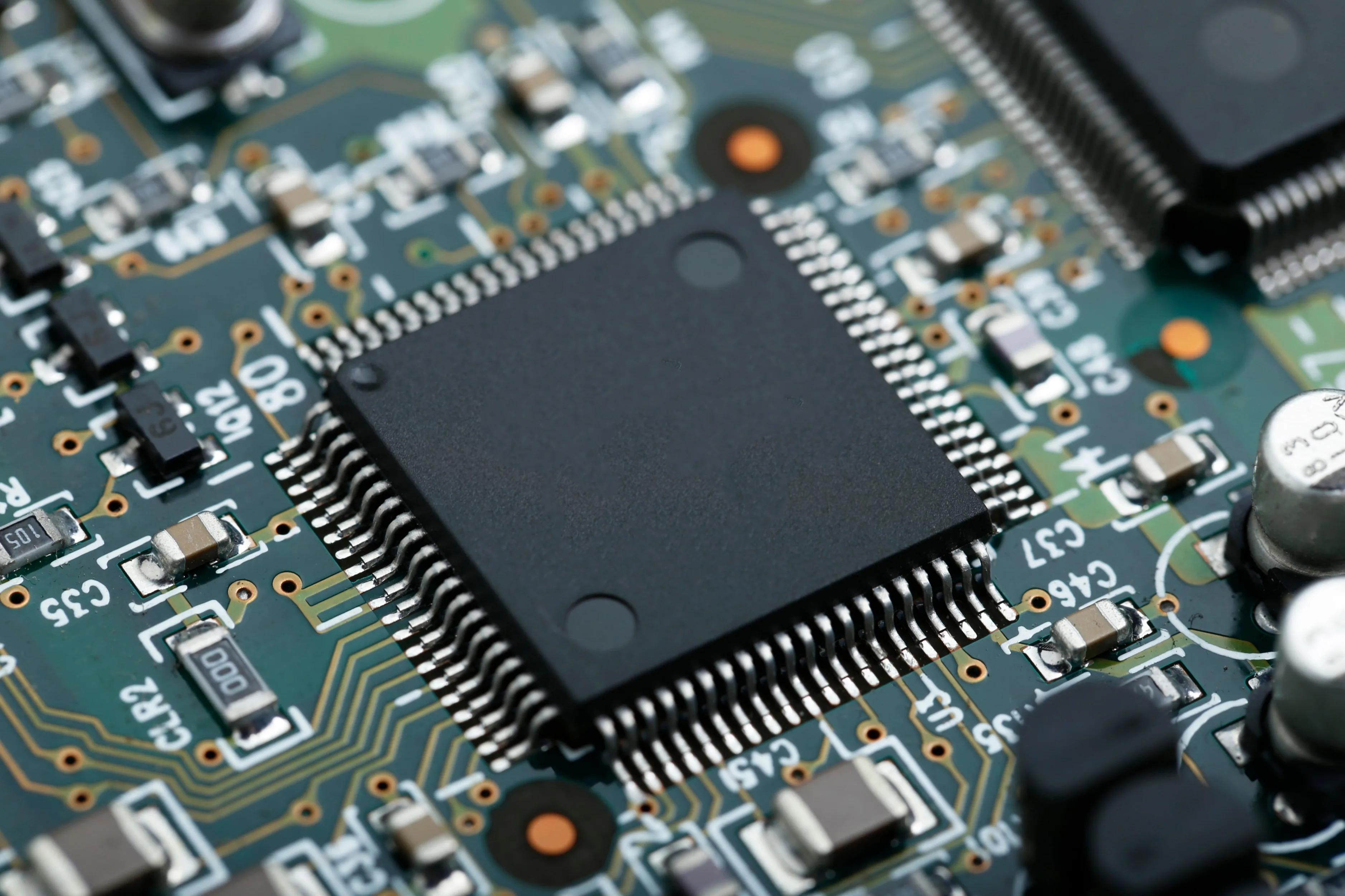
Reliable electronic products begin with strong engineering decisions. From selecting components and developing hardware architecture to creating efficient PCB layouts and managing IC packaging, every stage can influence product performance, reliability, and manufacturability.
Hardware, PCB Layout & IC Packaging work together to transform an initial product concept into production-ready electronics. A well-planned development process helps organizations reduce design issues, improve product quality, and create hardware that can perform consistently in real-world environments.
What Is Hardware, PCB Layout & IC Packaging?
Hardware development focuses on designing the electronic circuits and systems that enable a product to perform its intended functions. This includes component selection, circuit design, power architecture, interfaces, and hardware validation.
PCB layout converts the circuit design into a physical board. It determines how components are placed and how signals, power, and grounding are routed across the PCB. Effective PCB layout is essential for managing signal integrity, thermal performance, electromagnetic compatibility, and manufacturability.
IC packaging involves the physical integration and protection of integrated circuits. The package provides electrical connections while helping manage factors such as heat dissipation, mechanical protection, and signal performance.
Together, these areas create a connected engineering process that supports reliable electronic product development.
Why Reliable Hardware Design Matters
Hardware reliability is important for products ranging from industrial equipment and automotive electronics to medical devices, communication systems, and consumer products.
A reliable hardware design can help:
- Improve product performance and stability
- Reduce hardware failures and redesigns
- Support efficient manufacturing
- Improve thermal and electrical performance
- Extend product operating life
- Simplify testing and validation
- Prepare products for future scalability
Reliability should therefore be considered from the beginning rather than treated as a final testing requirement.
From Hardware Concept to Circuit Design
The development process typically starts by translating product requirements into a hardware architecture. Engineers determine the required processors, memory, power components, communication interfaces, sensors, and other components.
During this stage, important considerations include:
- Functional requirements
- Power consumption
- Component availability
- Operating conditions
- Performance requirements
- Cost and manufacturing considerations
- Regulatory and industry requirements
Careful planning at this stage creates a stronger foundation for PCB design and later production activities.
Creating an Efficient PCB Layout
Once the circuit design is established, PCB layout engineers transform the schematic into a physical board design. Component placement and routing must be carefully planned because poor layout decisions can affect electrical performance and reliability.
A professional PCB layout process considers:
Signal Integrity
High-speed signals can be affected by routing paths, impedance, crosstalk, and noise. Proper trace design and controlled routing help maintain signal quality.
Power Integrity
Stable power delivery is essential for modern electronic systems. Power and ground planes, decoupling strategies, and appropriate component placement can help reduce voltage fluctuations and unwanted noise.
Thermal Management
Components that generate significant heat require appropriate thermal planning. PCB layout can incorporate thermal vias, copper areas, component spacing, and other techniques to support heat dissipation.
Electromagnetic Compatibility
PCB design can influence electromagnetic interference and susceptibility. Grounding, routing, shielding, and component placement should be considered throughout the design process.
The Role of IC Packaging
As semiconductor designs become more advanced, IC packaging plays an increasingly important role in overall system performance.
IC packaging must address electrical, thermal, mechanical, and manufacturing requirements. Package selection can influence signal performance, heat management, board integration, and product size.
The right packaging strategy helps ensure that the integrated circuit can operate effectively within the larger electronic system.
Hardware Design Validation and Testing
Before moving into production, hardware designs need thorough validation. Testing can identify electrical, thermal, mechanical, and functional issues before they become expensive manufacturing problems.
Typical activities may include:
- Design verification
- Prototype testing
- Power and signal analysis
- Thermal testing
- Environmental testing
- Electromagnetic compatibility testing
- Functional validation
- Design-for-manufacturing reviews
Early testing provides an opportunity to address problems while design changes are still manageable.
Designing for Manufacturing
A product that works successfully as a prototype still needs to be practical to manufacture at scale. Design-for-manufacturing considerations should therefore be incorporated early.
Engineers evaluate component availability, PCB fabrication requirements, assembly processes, tolerances, testing requirements, and production scalability. This can reduce manufacturing challenges and support a smoother transition from prototype to volume production.
Organizations working with experienced engineering teams such as Fidus can bring hardware development, PCB layout, and packaging considerations together within a coordinated product development process.
Benefits of an Integrated Engineering Approach
Managing hardware, PCB layout, and IC packaging as connected activities can provide several advantages. Engineering teams can identify design dependencies earlier, improve communication between disciplines, and address performance or manufacturability concerns before production.
An integrated approach can help businesses achieve:
- Faster development cycles
- Better hardware reliability
- Improved product performance
- Fewer costly redesigns
- Better manufacturing readiness
- Greater scalability for future product versions
Conclusion
Delivering reliable hardware requires more than designing a functional circuit. Hardware architecture, PCB layout, IC packaging, validation, and manufacturing considerations all contribute to the final product.
By addressing these elements together from concept through production, businesses can create electronic products that are reliable, manufacturable, and prepared for real-world demands. A structured Hardware, PCB Layout & IC Packaging approach provides the engineering foundation needed to turn innovative concepts into dependable electronic solutions.