
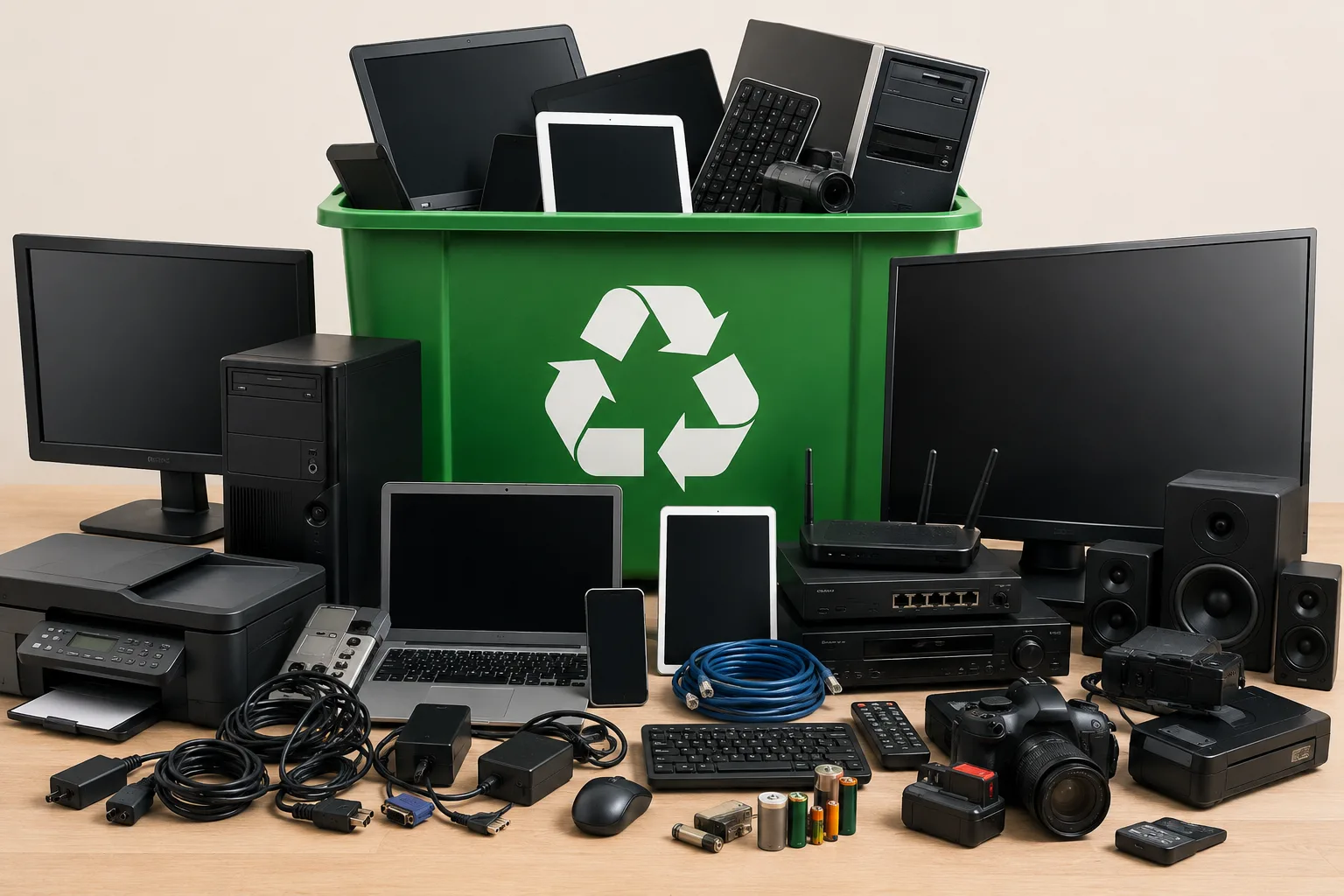
Businesses today generate and store enormous amounts of sensitive information on computers, servers, hard drives, solid-state drives (SSDs), networking equipment, and other electronic devices. Whether it's customer records, financial data, employee information, intellectual property, or confidential business documents, protecting this data is essential throughout the entire lifecycle of IT assets.
Many organizations focus heavily on cybersecurity while devices are in use but overlook one critical stage—retirement. Simply deleting files or formatting a hard drive is not enough to eliminate sensitive information. Improper disposal of outdated equipment can expose businesses to data breaches, regulatory penalties, financial losses, and reputational damage.
This is where a Hardware Destruction Service in CA becomes an essential part of an organization's data security strategy. By physically destroying storage devices and retired hardware through certified processes, businesses can confidently eliminate data recovery risks while supporting compliance with corporate security policies and industry regulations.
This guide explains how professional hardware destruction strengthens corporate data security policies and why California businesses should include it in their IT asset disposal process.
Why Corporate Data Security Policies Matter
Every organization develops data security policies to protect sensitive information from unauthorized access. These policies define how data should be:
- Stored
- Accessed
- Shared
- Archived
- Destroyed
While many policies focus on network security, password management, and employee training, they also require secure disposal of retired IT assets.
Without proper end-of-life procedures, organizations leave one of their biggest security gaps wide open.
Retired devices often contain:
- Customer databases
- Employee records
- Financial statements
- Contracts
- Intellectual property
- Login credentials
- Emails
- Healthcare information
- Legal documentation
Even devices that appear damaged or outdated may still contain recoverable information.
The Hidden Risk of Retired Hardware
Many businesses mistakenly believe that deleting files permanently removes information.
Unfortunately, data often remains recoverable after:
- Emptying the recycle bin
- Factory resetting computers
- Formatting hard drives
- Deleting partitions
- Reinstalling operating systems
Professional recovery software can often retrieve deleted files if storage media remains physically intact.
Old devices stored in offices create additional risks:
- Theft
- Unauthorized employee access
- Accidental resale
- Improper recycling
- Dumpster diving
- Asset mismanagement
These risks directly conflict with most corporate security policies.
What Is a Hardware Destruction Service in CA?
A Hardware Destruction Service in CA involves physically destroying data-bearing devices so stored information cannot be recovered.
Professional providers destroy devices such as:
- Hard drives
- SSDs
- Laptops
- Desktop computers
- Servers
- Backup tapes
- Mobile devices
- USB drives
- RAID storage
- Networking equipment with embedded storage
Depending on security requirements, destruction methods may include:
- Industrial shredding
- Crushing
- Punching
- Degaussing (where applicable)
- Mechanical destruction
Once destroyed, materials are responsibly recycled to reduce environmental impact.
Supporting Corporate Data Security Policies
Eliminates Data Recovery Risks
Corporate security policies are designed to prevent unauthorized access to sensitive information.
Physical destruction permanently removes the possibility of recovering stored data.
Unlike software-based deletion, destroyed storage media cannot be reconstructed using recovery tools.
This gives businesses greater confidence that confidential information remains protected.
Strengthens End-of-Life Asset Management
Every IT asset eventually reaches retirement.
Without documented disposal procedures, organizations lose visibility over:
- Asset locations
- Data ownership
- Device tracking
- Final disposal
Professional destruction services provide structured workflows from pickup through destruction and recycling.
This helps organizations enforce internal asset management policies consistently.
Maintains Chain of Custody
Corporate security policies often require strict control over sensitive assets.
Professional providers maintain documented chain-of-custody procedures that track devices throughout the destruction process.
Typical documentation includes:
- Inventory records
- Pickup logs
- Transportation records
- Secure handling procedures
- Destruction verification
Maintaining accountability reduces opportunities for unauthorized access.
Helps Meet Internal Audit Requirements
Many organizations perform regular internal security audits.
Auditors frequently review:
- Asset inventories
- Device retirement records
- Disposal documentation
- Security procedures
A professional Hardware Destruction Service in CA provides clear documentation that supports these audits and demonstrates that retired hardware has been securely handled according to company policies.
Protects Customer Information
Businesses collect sensitive customer information every day.
Examples include:
- Payment details
- Contact information
- Purchase history
- Service records
- Account information
Retired storage devices containing customer data represent major liabilities if improperly disposed of.
Secure hardware destruction eliminates this exposure.
Safeguards Employee Data
Human Resources departments manage confidential employee information, including:
- Payroll records
- Tax documents
- Performance reviews
- Social Security numbers
- Healthcare information
Old HR computers or backup drives should never be discarded without secure destruction.
Professional destruction helps organizations fulfill employee privacy commitments.
Protects Intellectual Property
Many California businesses rely on proprietary information, including:
- Engineering designs
- Manufacturing processes
- Software code
- Research data
- Product development plans
- Business strategies
Recoverable information on retired storage devices can become a serious competitive risk.
Physical destruction protects valuable intellectual property from unauthorized recovery.
Supporting Regulatory Compliance
Corporate policies often align with industry regulations requiring secure handling of sensitive information.
A Hardware Destruction Service in CA helps organizations support compliance efforts related to:
- Privacy regulations
- Financial security requirements
- Healthcare information protection
- Corporate governance standards
- Contractual data security obligations
Although regulations vary by industry, secure destruction demonstrates responsible handling of confidential information throughout the asset lifecycle.
Reducing Insider Threats
Not every security incident originates from external hackers.
Retired hardware stored in offices may be accessed by:
- Former employees
- Temporary workers
- Contractors
- Cleaning crews
- Unauthorized visitors
Prompt destruction minimizes the window of opportunity for insider threats.
Supporting IT Asset Lifecycle Management
Strong corporate security policies cover every stage of an IT asset's lifecycle:
- Procurement
- Deployment
- Maintenance
- Monitoring
- Retirement
- Secure destruction
- Responsible recycling
Hardware destruction ensures the final stage receives the same attention as the earlier phases.
Environmental Responsibility
Security and sustainability can work together.
After secure destruction, recyclable materials may include:
- Steel
- Aluminum
- Copper
- Plastic
- Circuit boards
- Precious metals
Responsible recycling helps businesses reduce landfill waste while supporting corporate environmental initiatives.
Organizations pursuing ESG goals often view certified hardware destruction as an important component of responsible electronics disposal.
Choosing the Right Hardware Destruction Service in CA
Not every provider follows the same standards.
When evaluating a service provider, businesses should look for:
- Secure transportation procedures
- Documented chain of custody
- Certified destruction processes
- Certificates of destruction
- Environmentally responsible recycling
- Experience handling enterprise IT assets
- Transparent reporting
- Compliance with recognized industry standards
Selecting a trusted partner helps ensure both security and environmental responsibility.
Best Practices for Businesses
To strengthen corporate data security policies, organizations should:
- Maintain accurate IT asset inventories.
- Classify devices based on data sensitivity.
- Schedule regular hardware destruction for retired equipment.
- Document every disposal event.
- Train employees on secure IT asset retirement procedures.
- Partner with a certified hardware destruction provider.
- Verify destruction with official documentation.
- Include hardware destruction in annual security audits.
These practices help create a consistent and defensible approach to data protection.
Why Businesses Across California Trust Professional Hardware Destruction
Organizations across California face increasing pressure to safeguard sensitive information while complying with internal security requirements and industry regulations. Secure hardware destruction provides a reliable way to eliminate data recovery risks, strengthen asset management, and support responsible electronics recycling.
At Gold'n West Surplus, we help businesses securely retire IT assets through professional hardware destruction and environmentally responsible recycling services. Our documented processes, secure handling procedures, and commitment to responsible disposal help organizations protect confidential information while supporting their corporate data security policies.
Conclusion
Corporate data security extends beyond firewalls, encryption, and access controls. It also includes the secure retirement of IT equipment that may still contain valuable information. A professional Hardware Destruction Service in CA helps businesses permanently eliminate data recovery risks, maintain documented chain of custody, support internal audits, protect sensitive customer and employee information, and reinforce company-wide security policies.
By incorporating certified hardware destruction into your IT asset disposal strategy, your organization can reduce risk, strengthen compliance efforts, and ensure that confidential information remains protected from the moment it is created until the day the hardware is securely destroyed.