
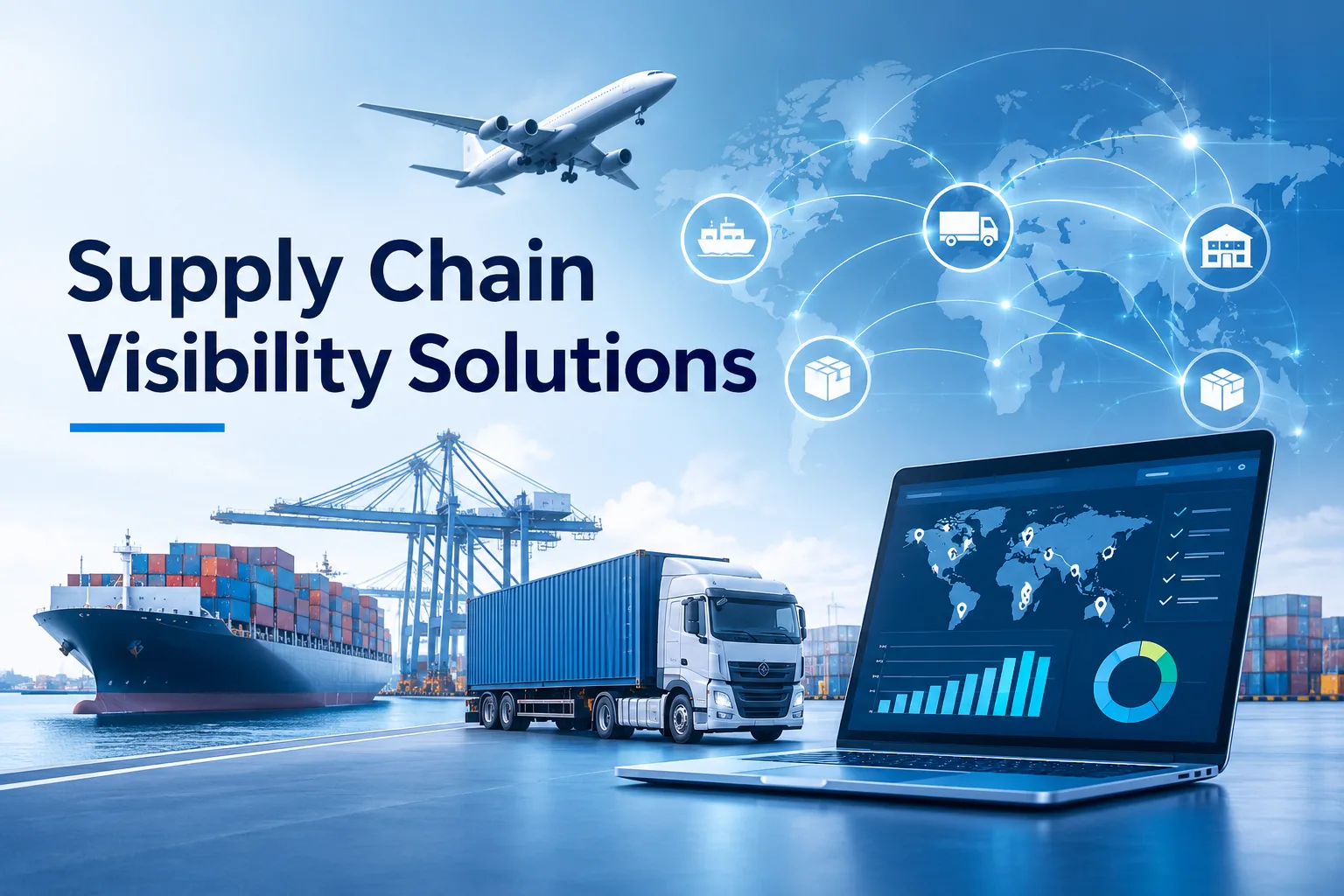
AI is transforming supply chain visibility solutions by turning scattered shipment, carrier, and invoice data into a single live picture. That picture predicts delays, exposes cost leaks, and recommends action before a problem reaches the customer. Traditional tools reported what had already happened. AI-driven platforms explain why it happened and what is likely to happen next, which changes how logistics teams plan, buy, and pay.
Why Is Traditional Visibility No Longer Enough?
Most shippers still work with tracking portals that show a pin on a map and little else. A late truck is visible, but the reason is not, and neither is the knock-on effect on the warehouse schedule or the customer order. Data sits in separate systems for transportation, warehousing, and finance, so teams spend hours stitching reports together instead of acting on them. By the time the gap is noticed, the cost has usually been incurred.
How Does AI Improve Real-Time Shipment Tracking?
AI models learn from historical lanes, weather patterns, port congestion, carrier behavior, and seasonal demand. They then predict arrival times far more reliably than static estimates from carriers. When a delay looks likely, the system can alert the planner, suggest a different routing, or tell customer service to reset expectations early. The result is fewer surprises and fewer expensive expedited shipments to recover lost time.
What Role Does AI Play in the Freight Audit Process?
The freight audit process is where visibility meets money. Every invoice has to be matched against the contracted rate, the actual shipment, and the accessorial charges that were truly approved. Done manually, this is slow and error-prone, so many overcharges slip through simply because nobody has the time to check them.
AI changes this by reading invoices automatically, comparing them with contract terms and shipment records, and flagging mismatches the moment they appear. It also learns which discrepancies carriers dispute most often, so the audit team can prioritize claims that are likely to be recovered. Modern freight audit services pair this automation with human experts who handle exceptions and carrier negotiations, which keeps accuracy high without slowing payments.
Freight audit savings rarely come from one dramatic discovery. They come from steady recovery of duplicate billing, incorrect fuel surcharges, wrong weight classifications, and detention fees that were never justified. Over a full year, those small corrections add up to a meaningful improvement in the logistics budget.
Can AI Help You Reduce Freight Costs?
Anyone asking how to reduce freight costs should start with visibility, because costs cannot be managed if their causes are hidden. AI highlights patterns that humans overlook. It can show that a certain lane is consistently over-billed, that a carrier regularly misses pickup windows and triggers premium rerouting, or that shipments are leaving warehouses half empty. Once those patterns are clear, procurement can renegotiate rates, planners can consolidate loads, and operations can fix the habits that quietly drain budget.
A Practical Scenario
Consider a mid-sized consumer goods distributor that shipped products across several regions through many carriers. Its team believed freight spend was under control because invoices were paid on time. After introducing AI-assisted auditing, the company discovered that a recurring residential delivery surcharge was being applied to commercial addresses. It also found that two carriers were billing for the same pallet movements under different reference numbers. None of these errors was large on its own, but together they had been repeating for months. Recovering those charges funded a better tracking platform, and the improved data helped the team shift volume to carriers with stronger on-time performance.
The lesson is that visibility and auditing work best together. Tracking shows where shipments are, while auditing shows whether you paid fairly for getting them there.
Frequently Asked Questions
What are supply chain visibility solutions?
They are technology platforms that collect and connect data from carriers, warehouses, suppliers, and financial systems so businesses can see shipments, inventory, and costs in one place and respond faster to disruption.
How does AI make freight audit services more effective?
AI reads invoices at speed, compares them with contracts and shipment records, and flags errors automatically. Human auditors can then focus on disputes and recovery instead of repetitive checking.
Is it difficult to start using AI for freight visibility?
Not usually. Most providers connect to existing transportation and finance systems, so teams can begin with audit and tracking data they already have and expand over time.
Ready to See Where Your Freight Dollars Are Going?
Better visibility is no longer a luxury for logistics teams that want to stay competitive. nVision Global helps businesses combine intelligent tracking with a precise freight audit process, uncover hidden charges, and build a clear path toward lower transportation spend. Contact nVision Global today to request a free consultation, and turn your shipment data into savings and smarter decisions.