
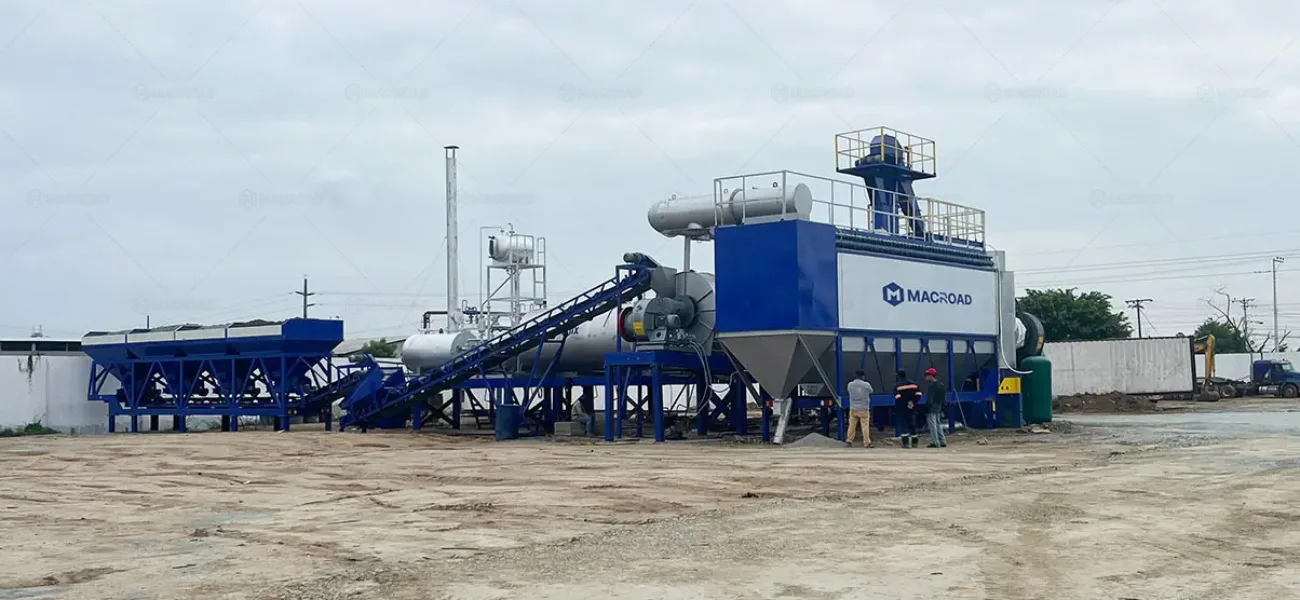
The success of road and bridge construction projects across Latin America depends heavily on how well machinery can handle unpredictable regional resources. From the humid coastal plains to the high-altitude Andean corridors, contractors often face massive variations in aggregate quality, stone density, and moisture content. Unlike projects in regions with highly uniform, pre-processed raw materials, Latin American infrastructure development requires equipment that can process local, raw quarry inputs efficiently without compromising the structural integrity of the final asphalt mat.
To maintain strict international pavement standards under these volatile conditions, choosing a highly versatile asphalt mixing plant(planta mezcladora de asfalto) is essential. A well-designed facility allows engineering teams to dynamically adjust heating profiles, screening sizes, and mixing times based on the physical properties of the local stone. Having this level of operational control at the production site prevents issues like poor bitumen adhesion or inadequate aggregate coating, ensuring that every batch of hot mix asphalt can withstand heavy traffic loads and extreme tropical weather.
Overcoming Aggregate Variations and Moisture Extremes
Managing raw materials in Latin America requires a deep understanding of local geology. The chemical composition and moisture levels of aggregates change drastically depending on the geographic zone, demanding different adjustments from the processing equipment.
High Moisture Levels in Tropical Regions
In coastal areas or tropical lowlands like the Amazon basin, raw aggregates stored in open stockpiles absorb massive amounts of rainwater. Feeding wet stone into a heating system requires an exceptionally efficient burner and an elongated drying drum to drive off moisture completely before the bitumen injection phase. If aggregate moisture is not reduced to less than 0.5%, the binding agent will not stick to the stone properly, causing premature pavement stripping.
Varied Hardness and Porosity of Mountain Stone
In mountain ranges like the Andes, quarries yield materials ranging from highly porous volcanic rock to extremely hard granite. Porous stones absorb more bitumen, requiring the asphalt mixing plant operator to calibrate the liquid injection pumps precisely to maintain the correct binder-to-stone ratio. Harder aggregates require robust cold feed bins and heavy-duty wear liners inside the drum to resist the abrasive nature of the stone during high-velocity rotation.
Technological Adaptations for Enhanced Operational Flexibility
To handle these challenging raw material profiles, modern engineering designs focus heavily on modularity and smart process control. Contractors need systems that can be adjusted on the fly when aggregate supplies change mid-project.
Technical FeatureMechanical FunctionAdaptation BenefitVariable Speed SlatsControls aggregate retention time inside the drumEnsures thorough drying of high-moisture stoneMulti-Stage BaghousesCaptures ultra-fine dust from soft local aggregatesMaintains environmental compliance and mix consistencyAdjustable Burner ControlsModulates flame intensity based on moisture sensorsLowers fuel consumption when processing dry stoneMulti-Bin Cold Feed Systems for Precise Blending
Since local quarries often deliver inconsistent particle sizes, a reliable asphalt mixing plant must utilize multi-bin cold feed units equipped with independent variable frequency drives. This setup allows operators to blend different sizes of local stone with high precision, ensuring the combined aggregate gradation matches the strict job mix formula required by regional highway authorities.
Advanced Dust Reclamation Systems
Soft aggregates common in certain Latin American river basins tend to break down and create excess dust during the heating process. Modern baghouse filtration systems collect these ultra-fine particles, allowing operators to either reintroduce them into the mix as a useful mineral filler or discard them if they threaten the stability of the asphalt design.
Mobility Solutions for Decentralized Material Sourcing
For linear highway projects that cross multiple geographical zones, setting up a single stationary facility is often impractical due to the high cost of hauling raw materials from distant approved quarries. Moving the production source closer to the localized material supply represents a far more efficient approach.
Rapid Deployment Close to Approved Quarries
Utilizing a highly agile mobile asphalt plant(planta de asfalto móvil) allows construction companies to set up temporary production bases right next to local aggregate sources. This proximity eliminates long material transport lines, lowering haul truck fuel costs and reducing the carbon footprint of the infrastructure project. The modular, wheel-mounted configuration ensures the system can be packed up, hauled over rugged terrain, and reassembled at a new quarry location within a matter of days.
Maintaining Temperature Control with Local Sourcing
Using a mobile asphalt plant near the construction front ensures that the freshly mixed material is placed and compacted while it is still inside its optimal thermal window. This local deployment is particularly advantageous in cold, high-altitude environments where long transit times would cause the asphalt mixture to cool rapidly, making it impossible to achieve the required compaction density.
Strategic Materials Management for Resilient Highways
The long-term economic viability of road networks in Latin America depends on maximizing the use of nearby resources while adapting to emerging material trends. Modern infrastructure projects are increasingly shifting toward sustainable practices to lower costs.
- Incorporating Recycled Asphalt Pavement: Modern mixing systems can process milled road materials, blending old asphalt with local virgin aggregates to save on bitumen costs.
- Flexible Fuel Burners: Equipping burners to switch between diesel, heavy oil, or liquefied gas depending on what fuel type is most readily available in remote regions.
- Customized Binder Additives: Adjusting mixing cycles to accommodate polymer-modified bitumens, which are crucial for preventing road rutting on steep mountain inclines.
Optimizing Road Projects Through Engineering Adaptability
Successfully executing infrastructure contracts across Latin America requires machinery that views raw material diversity as a standard operating condition rather than an obstacle. By choosing an asphalt mixing plant configuration that offers precise thermal control, flexible aggregate blending, and modular mobility, contractors can safeguard their project timelines and profit margins.
Adapting to local stones and regional climates ensures that the finished highway surface remains durable, safe, and smooth for years to come. Investing in flexible, highly adaptable machinery allows civil engineering firms to expand regional connectivity confidently, delivering high-quality transportation corridors that can withstand the unique environmental pressures of the territory.