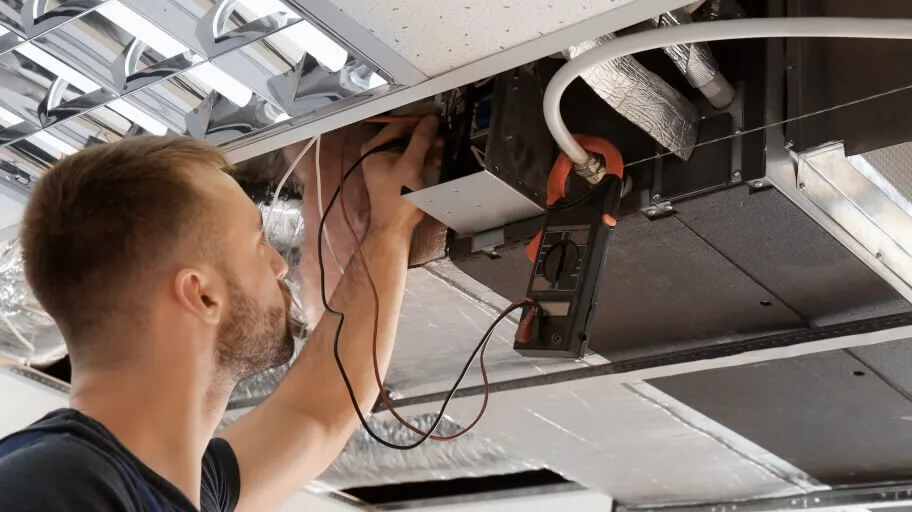
Ducted air conditioning has become an important consideration in modern residential construction. Homebuyers increasingly expect comfortable indoor environments, energy-efficient heating and cooling, and convenient temperature control throughout their homes. For builders, incorporating a professionally installed ducted air conditioning system into new construction projects can add value, improve property appeal and simplify the overall building process.
However, successful ducted air conditioning installation involves more than selecting an appropriate system. It requires careful planning, coordination with other trades, accurate system sizing and professional installation.
Whether constructing a new home, developing multiple residential properties or undertaking a major renovation, working with experienced ducted air conditioning installers offers several advantages for builders. Let's explore how professional installation can benefit construction projects.
1. Better Planning During the Construction Stage
One of the biggest advantages of involving ducted air conditioning professionals early in a construction project is better planning.
Unlike wall-mounted split systems, ducted air conditioning requires ceiling space, ductwork, return air grilles, supply outlets and suitable locations for indoor and outdoor equipment. These requirements need to be considered before construction is completed.
Professional installers can work alongside builders, architects and other contractors to determine:
- Suitable locations for indoor and outdoor units.
- Duct routes through ceilings and roof spaces.
- Appropriate positions for supply air outlets and return air grilles.
- Space requirements for ductwork and equipment.
- Electrical and drainage requirements.
- Access points for future maintenance.
Early coordination helps prevent installation conflicts, unnecessary structural modifications and delays during the final construction stages.
2. Improved Energy Efficiency and System Performance
Energy efficiency is an important consideration for both builders and homeowners. An incorrectly sized or poorly installed ducted air conditioning system can result in uneven temperatures, unnecessary energy consumption and reduced performance.
Professional installers assess the property's heating and cooling requirements before recommending a suitable system.
Factors considered during system selection include:
- Total floor area and room dimensions.
- Ceiling heights and building orientation.
- Insulation levels and window placement.
- Occupancy and expected usage.
- Local climate conditions.
Correct system sizing, properly sealed ductwork and appropriate airflow balancing help the system operate efficiently.
For builders, incorporating an appropriately designed ducted air conditioning solution can also support the delivery of homes that meet modern expectations for indoor comfort and energy performance.
3. Increased Property Appeal and Buyer Satisfaction
Air conditioning is an attractive feature for many prospective homebuyers, particularly those purchasing newly constructed homes.
A professionally installed ducted air conditioning system can make a property more appealing because it provides heating and cooling across multiple rooms through discreet ceiling outlets.
Some of the features that can improve buyer appeal include:
- Whole-home heating and cooling.
- Concealed indoor equipment and ductwork.
- Centralised temperature control.
- Optional zoning for different living areas.
- Reverse-cycle heating and cooling capabilities.
For property developers and residential builders, these features can help differentiate completed homes from competing properties.
A well-planned ducted system also creates a cleaner interior appearance because there is no need for multiple wall-mounted indoor units throughout the home.
4. Easier Coordination Between Construction Trades
Construction projects involve several trades working within a shared schedule. Air conditioning installation must be coordinated with electrical contractors, plasterers, ceiling installers, roofers and other building professionals.
Engaging experienced ducted air conditioning installers helps builders organise these activities more effectively.
For example, ductwork and equipment positioning can be planned before ceiling installation, while electrical connections and controller locations can be coordinated with the electrical team.
Professional installation teams understand the importance of construction timelines and can coordinate their work around key project milestones.
This helps reduce:
- Conflicts between ductwork and electrical services.
- Delays caused by late installation planning.
- Unnecessary ceiling or wall modifications.
- Rework resulting from poorly coordinated installations.
Better trade coordination can help builders maintain construction schedules and deliver projects more efficiently.
5. Flexible Zoning for Different Home Layouts
Zoning is another important benefit of professionally designed ducted air conditioning systems.
A zoned system divides a property into separate areas, allowing occupants to control heating and cooling in selected rooms or sections of the home. For example, homeowners may prefer to cool living areas during the day and bedrooms at night.
For builders, zoning provides greater flexibility when designing homes with different floor plans and occupancy requirements.
Professional installers can recommend suitable zone configurations based on:
- Number of bedrooms and living areas.
- Property size and layout.
- Expected household occupancy.
- Daily heating and cooling requirements.
- Preferred temperature settings for different areas.
A well-designed zoning arrangement can improve comfort and help avoid conditioning unoccupied areas unnecessarily. However, the system must be designed to maintain appropriate airflow when individual zones are operating.
6. Reduced Installation Issues and Costly Rework
Air conditioning installation can become complicated when it is left until the later stages of construction.
Limited ceiling access, poorly positioned ductwork, insufficient equipment space and conflicts with electrical services can create additional work and unexpected costs.
Professional installation helps builders minimise these risks through detailed planning and coordination.
Experienced installers can identify potential challenges before work begins, including restricted roof cavities, unsuitable outdoor unit locations and duct routing limitations.
By addressing these issues early, builders can reduce:
- Unplanned installation variations.
- Additional labour requirements.
- Ceiling and wall modifications.
- Delays during finishing stages.
- Rectification costs after installation.
Professional installation may also help reduce future service issues when the system is correctly designed, installed and commissioned.
7. Better Quality Assurance and Handover
The quality of an air conditioning installation can influence homeowner satisfaction long after a construction project is completed.
Professional installers carry out important checks to confirm that the system is operating as intended.
These may include:
- Checking airflow through individual outlets.
- Inspecting duct connections and insulation.
- Testing zone controls and temperature settings.
- Checking condensate drainage.
- Verifying system operation.
- Providing operating instructions and maintenance recommendations.
Proper commissioning helps identify installation issues before the property is handed over.
Builders can also provide homeowners with relevant equipment manuals, warranty information and maintenance guidance. This creates a more organised handover process and gives homeowners greater confidence in their new air conditioning system.
8. A More Convenient Solution for Multi-Property Developments
Builders and property developers managing multiple residential projects often need reliable contractors who can work within construction schedules and project specifications.
Working with an experienced ducted air conditioning installation provider can simplify the process across multiple properties.
A professional installation team can help with:
- Reviewing building plans and air conditioning requirements.
- Recommending suitable systems for different property layouts.
- Coordinating installation schedules across sites.
- Maintaining consistent installation standards.
- Managing rough-in, fit-off and commissioning stages.
This approach can make it easier for builders to manage subcontractors, maintain project consistency and deliver completed properties with professionally installed heating and cooling systems.
Frequently Asked Questions
1. When should ducted air conditioning be installed during construction?
The system should be planned during the design stage. Ductwork, refrigerant pipework and other concealed services are generally installed during the construction rough-in stage, before ceilings are closed. Final equipment connections, grilles and controls can be completed during the fit-off stage.
2. Why should builders choose professional ducted air conditioning installers?
Professional installers help ensure correct system sizing, duct design, airflow distribution, zoning and commissioning. They also coordinate installation requirements with other construction trades, helping reduce potential delays and rework.
3. Can ducted air conditioning be customised for different home designs?
Yes. Ducted systems can be designed around different floor plans, room sizes and ceiling configurations. The number of outlets, duct routes, equipment locations and zoning arrangements can be adjusted to suit the property.
4. Does ducted air conditioning increase a property's appeal?
Ducted air conditioning can make a home more attractive to prospective buyers because it provides whole-home heating and cooling with discreet ceiling outlets. Its appeal depends on the property's target market, design and overall features.
5. Is ducted air conditioning suitable for multi-storey homes?
Yes. Ducted air conditioning can be installed in suitable multi-storey properties. However, the design must account for available ceiling or service spaces, floor layouts, equipment capacity and appropriate zoning.
Conclusion
Professional ducted air conditioning installation offers several advantages for builders, from better construction planning and trade coordination to improved system performance and homeowner satisfaction.
By involving experienced installers early in the construction process, builders can ensure that ductwork, equipment locations, zoning and electrical requirements are properly considered before ceilings and walls are completed.
For residential builders and property developers, choosing a reliable installation partner can help reduce rework, maintain construction schedules and deliver homes with effective, professionally designed heating and cooling solutions.