Large office artwork should be positioned according to where people actually view it. A photograph that looks balanced from a reception entrance may appear awkward from a conference chair if furniture blocks its focal point, the viewing angle is uncomfortable, or reflections obscure important details.
These considerations are particularly relevant when selecting limited edition fine art photography for executive offices, meeting rooms, and client-facing spaces. A print's artistic appeal and edition status are separate from its suitability for a particular wall.
Before ordering, buyers should evaluate usable wall dimensions, seated viewing distance, image composition, and lighting. A simple mockup can reveal placement problems before they become installation expenses.
How High Should Office Wall Art Hang for Seated Viewers?
Seated viewers generally have a lower eye position than standing visitors. This changes the angle from which they see artwork, particularly when a large print is mounted above furniture.
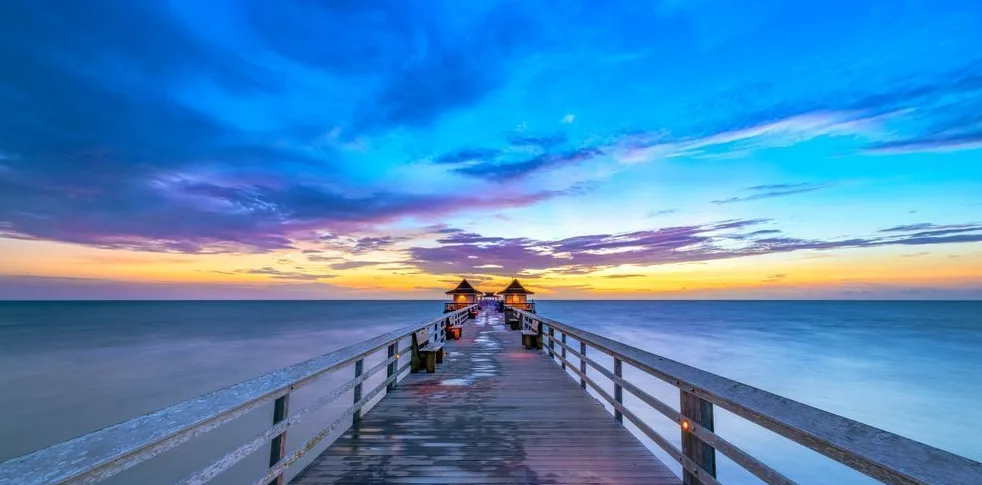
For example, a coastal photograph displayed behind a conference table may look balanced from the doorway. However, seated employees could find its lower details hidden behind monitors or other participants.
Eye Level, Furniture Obstruction, and Focal-Point Visibility
A common gallery-style guideline places artwork near standing eye level, but this should not be treated as a universal office installation rule. The appropriate height depends on furniture, viewing distance, and the artwork's dimensions.
The Smithsonian's accessible exhibition design guidance addresses visibility and glare considerations for seated and standing visitors. Although developed for exhibitions, these principles are relevant to commercial interiors.
When displaying limited edition fine art photography in professional spaces, placement decisions should account for the photograph's composition and the location of its primary subject. Rather than choosing a mounting height from a single measurement, office planners should establish which viewing positions matter most. The photograph's primary subject should remain visible without requiring seated viewers to lean forward or change position.
How Can You Check Artwork Size Before Buying?
A full-size paper template is one practical way to assess artwork placement without purchasing the print first.
Start by measuring the usable wall area, excluding sections occupied by cabinets, doors, switches, or other permanent features. Mark the proposed artwork's finished outside dimensions, including any frame.
The Three-Position Sightline Test
Evaluate the proposed artwork from three positions:
- Entrance: Check whether the artwork looks proportionate to the wall and surrounding furniture.
- Primary seating: Confirm that the intended focal area remains visible without leaning forward or looking around monitors.
- Side seating: Assess whether the image remains understandable from an angle.
Interpreting the Results Before Installation
If furniture hides the artwork's main subject, consider a different mounting position, composition, or wall. If the image looks disproportionatelimited edition photography printsly large from nearby seats, compare a smaller format rather than automatically raising it.
For a more accurate test, temporarily display a scaled reproduction of the photograph within the marked outline. This reveals whether the image's focal point falls behind furniture or outside a comfortable viewing area.
Panoramic Photography vs. Standard Office Wall Art
Panoramic photography can complement long office walls, but wall width alone does not determine whether it is appropriate.
A horizontal coastal scene may work above a reception credenza because its composition follows the furniture's proportions. However, the same photograph might be difficult to appreciate from seats positioned close to the wall.
Physical Wall Fit Versus Visual Readability
The distinction between physical fit and visual readability is especially important when choosing large wall art for office interiors.
A panoramic print may physically fit a wall while placing important details outside a seated viewer's comfortable field of attention. A conventional rectangular photograph may concentrate its subject within a smaller area.
Multiple smaller prints provide another alternative, especially where wall fixtures interrupt a continuous display. However, grouped artwork introduces additional decisions about spacing, alignment, and consistency.
The subject also matters. A distant coastal horizon may remain recognizable from several positions, while a wildlife photograph featuring a small, detailed subject may require closer viewing.
How Does Office Lighting Affect Fine Art Photography?
Reflections can make otherwise suitable artwork difficult to appreciate.
A glossy photograph positioned opposite a window may reflect daylight toward someone seated at a conference table. A standing visitor viewing the same artwork from another angle might experience little interference.
Window Reflections and Print Surface Finishes
The Canadian Conservation Institute's guidance on exhibition lighting explains how reflected light can interfere with viewing displayed objects.
Office planners can apply this principle by checking the proposed artwork location during normal working hours.
Consider whether:
- Window reflections cross the photograph's main subject.
- Ceiling fixtures produce distracting highlights.
- Reflections change between seated and standing positions.
- A different surface finish or wall location would improve visibility.
Matte surfaces may reduce prominent reflections compared with glossy alternatives, but the exact result depends on the material, finish, and lighting arrangement.
Buyers should compare actual finish samples where possible rather than assuming that metal, paper, or another print medium will behave identically in every office.
Artwork Specifications to Confirm Before Ordering
The final purchasing review should address both presentation and product documentation.
For example, Vinicio Paz Photography LLC's best-selling photography collection includes coastal and nature-inspired photographic subjects that buyers can explore when comparing compositions for office interiors.
However, selecting a suitable subject is only one part of the decision.
Print Dimensions, Mounting Requirements, and Edition Documentation
Before ordering, buyers should confirm the available dimensions, selected print medium, finished presentation, mounting requirements, and any edition-specific information.
A limited-edition designation should not be assumed simply because a photograph is sold as fine art. Where applicable, buyers should request clarification about edition size, numbering, and authenticity documentation.
Installation also requires practical checks. Large prints may need particular mounting hardware depending on their weight, construction, and wall material. The installer should confirm that the proposed mounting system is suitable for the finished artwork.
Choosing the Best Viewing Position for Office Artwork
The most useful viewing position is the one that reflects how the office is normally occupied.
Reception Areas, Conference Rooms, and Executive Offices
In a reception area, both seated visitors and people approaching the desk may matter. In a conference room, several seated positions may be more relevant than the entrance view. Executive offices may require a balance between the desk occupant's perspective and the view from guest chairs.
For businesses considering luxury wall art in Naples, FL, the same principles apply whether the artwork features coastal photography, wildlife, or abstract compositions. The room's layout and everyday viewing positions should guide the selection.
Before purchasing limited edition photography prints, buyers should evaluate edition documentation separately from display suitability. A documented edition does not compensate for poor proportions, obstructed imagery, or distracting reflections.
Testing artwork dimensions from actual seating positions and confirming print finishes and mounting requirements can prevent avoidable installation problems. The most suitable artwork is not necessarily the largest piece that fits the wall, but one whose composition remains visually coherent from the positions where people regularly view it.