
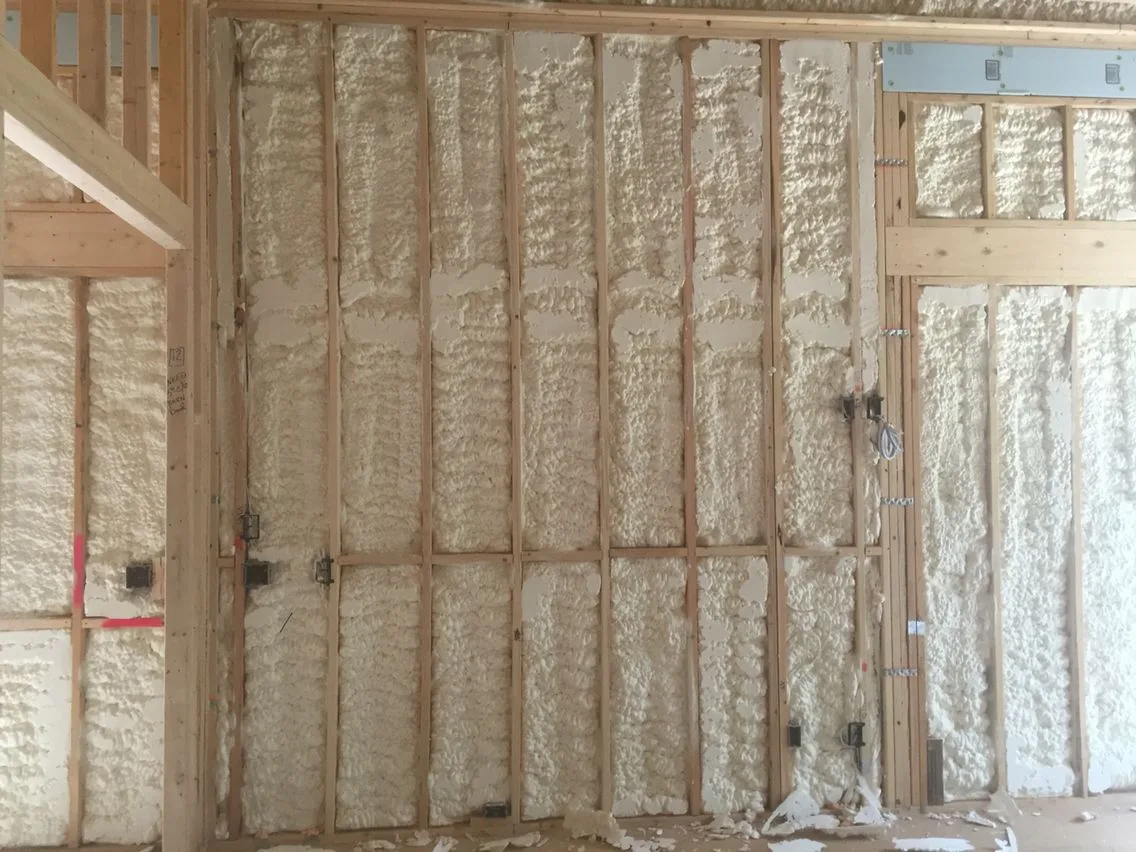
Jupiter residents often find it difficult to keep their living spaces cool while managing high electricity bills. One effective way to address this is by using modern thermal barriers. Understanding how open-cell spray foam benefits Florida homeowners can help people make a smart choice for an attic or crawl space. This material creates a custom seal that stops hot and humid air from entering a house through small cracks or gaps.
Choosing the right material ensures an air conditioning system does not have to work as hard during the summer months. Experts in the insulation industry suggest that properly sealing a home can lead to substantial monthly savings. This article provides a detailed look at why this specific foam is a popular choice for South Florida properties and how it compares to other common options.
The Main Practical Advantages of Open Cell Spray Foam
The primary way open-cell spray foam benefits Florida homes is by addressing the intense heat that builds up in attics. Unlike traditional materials, this foam expands up to 100 times its liquid volume when applied. This expansion allows it to reach every corner, pipe penetration, and wall stud to create a complete air barrier.
This material is effective because it remains flexible over time. As a house settles or shifts, the foam moves with the structure rather than cracking. This ensures that the air seal remains intact for years. Research shows that air leakage accounts for nearly 40 percent of energy loss in typical American homes.
- It fills large gaps and voids quickly during the application process.
- The material provides a high level of thermal resistance for each inch of thickness.
- It acts as a sound barrier to reduce noise from nearby traffic or neighbors.
- The application process is faster than installing many traditional board-based products.

Comparison of Different Insulation Types for Florida Homes
When homeowners look at the spray foam vs fiberglass insulation Florida market options, the differences in performance are clear. Fiberglass often sags or leaves gaps where air can bypass the material. Foam stays in place and prevents thermal bridging, which is a process where heat moves through the wooden frame of the house and bypasses the insulation.
The table below outlines the basic differences between the most common materials used in the Jupiter and Miami regions.

Managing Humidity and Air Quality in Coastal Areas
Living in Jupiter means dealing with salt air and high moisture levels. A major way open cell spray foam benefits Florida structures is by allowing the building to breathe while still blocking air flow. While it stops the wind and heat, it does not trap moisture inside the wood of a roof deck. If a leak occurs in the roof, water can pass through the foam. This makes it easier for residents to spot and fix the problem before it causes rot.
By sealing out dust and outdoor pollutants, residents also see an improvement in indoor air quality. This is a helpful factor for families who deal with seasonal allergies. When a home is sealed, the HVAC system can more effectively filter the air that is already inside.
Bonus Tip: When homeowners improve an older property, they should ensure the contractor removes all old, dusty fiberglass or cellulose before applying new foam. This step prevents old allergens from being trapped in the attic space.
Why Homeowners Choose Open Cell Over Closed Cell Options
While closed cell spray foam benefits Florida properties by adding structural strength, open cell is often the preferred choice for residential attics. The main reason is the price point. People can get a thicker layer of open cell for a lower cost, which provides the R-value required by local building codes without the high expense of denser materials.
Another reason residents look for open cell spray foam insulation is for sound dampening. The soft, spongy texture of open-cell foam is effective at absorbing sound waves. This makes a home much quieter, especially during heavy rainstorms or high winds.
Impact on Long-Term Utility Expenses
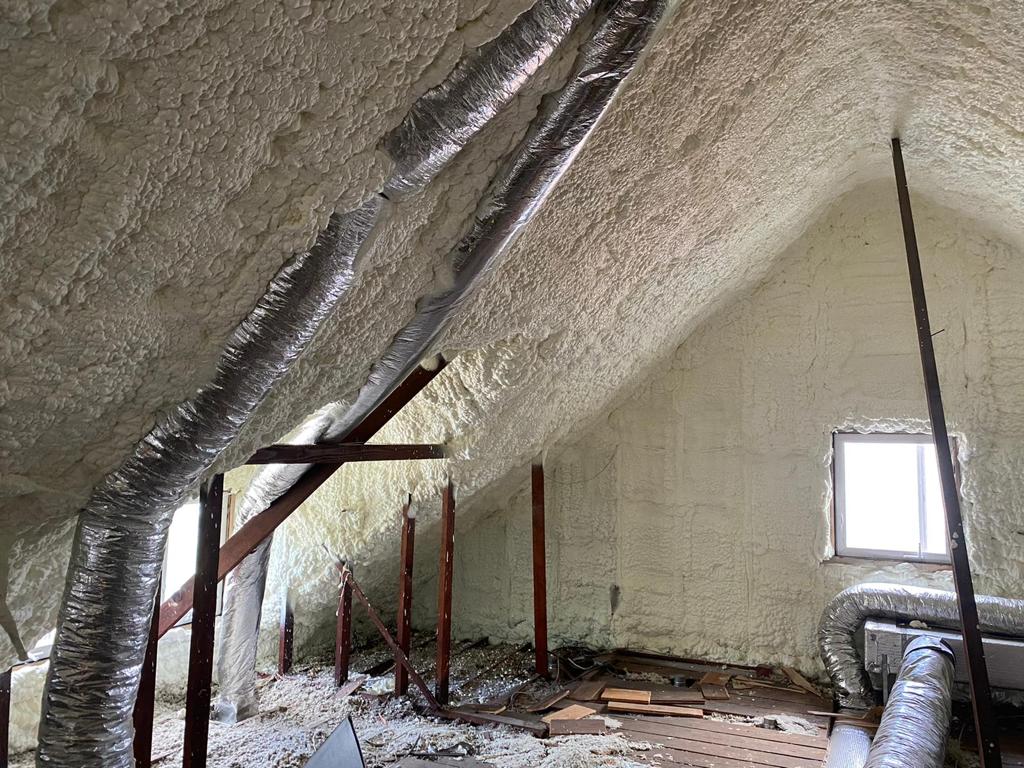
Installing open-cell spray foam insulation can lead to a notable reduction in monthly cooling costs. In the Jupiter climate, air conditioners often run 24 hours a day during the peak of summer. When the attic is sealed at the roofline, the attic temperature stays much closer to the temperature of the living room.
This is often called a conditioned attic. Since the AC ducts are usually located in the attic, they no longer sit in 140-degree heat. This allows the cold air to stay cool as it travels to the bedrooms.
- It reduces wear and tear on HVAC equipment.
- The material leads to lower monthly electricity bills year-round.
- The foam creates better temperature consistency between different rooms in the house.
- The seal provides protection for items stored in the attic from extreme heat damage.
Factors to Evaluate Before Starting an Insulation Project
Homeowners should consider the current state of the roof and ventilation before committing to a specific material. Since open-cell foam creates an airtight seal, a home's mechanical ventilation might need an adjustment. A house that is too tight can sometimes trap stale air if the HVAC system is not designed to bring in fresh air.
It is also necessary to check for any existing moisture issues. Spraying foam over wet wood is a mistake that can lead to future damage. Professionals will use moisture meters to ensure the area is dry before they begin the application.
Bonus Tip: Property owners should ask their service provider to check if an attic has enough space for the foam to expand fully. In very tight spots, the team might need to use a combination of materials to get the best result.
Is Open Cell Foam Durable in the Florida Climate
One way open-cell spray foam benefits Florida homeowners is through its long lifespan. This material does not settle or shrink like cellulose or fiberglass. Once it is applied and cured, it stays in place for the life of the building. It is also not a food source for pests. Insects and rodents find it difficult to move through the dense foam, which helps keep the attic cleaner.
Industry data suggests that high-quality spray foam can maintain its original R-value for decades. This makes it a one-time investment that continues to pay for itself through energy savings.
How Does Open Cell Spray Foam Help with Local Building Codes?
Florida has some of the strictest energy codes in the country due to the extreme heat. Using open-cell spray foam insulation helps builders and homeowners meet these requirements. It provides a continuous thermal break that is hard to achieve with other materials.
In areas like Jupiter and Miami, building inspectors look for a specific R-value in the ceiling. Because foam is efficient at stopping air movement, it often performs better in real-world conditions than its rating suggests.
- The foam helps projects meet or exceed the Florida Building Code for energy conservation.
- It provides a predictable thermal performance that does not change with the wind.
- The material allows for more flexible architectural designs by insulating difficult roof shapes that would otherwise struggle to meet efficiency standards.
Finding the Right Professional for a Jupiter Home
The success of a project depends heavily on the skill of the installers. The chemicals must be mixed at the correct temperature and pressure to ensure the foam cures properly. If the mix is off, the foam might not adhere to the surface or could have an odor.
They should provide a clear estimate and explain how the material will be applied to the specific roof structure. They will also handle the removal of any old insulation that is no longer serving its purpose.
Bonus Tip: Check that the company is licensed and insured for spray foam application specifically, as this requires specialized training and equipment.
Contact All in Overhall for Professional Insulation Solutions
If homeowners want to improve indoor comfort and lower energy costs, reaching out to an expert is the best first step. People can contact All in Overhall to discuss a project and get a free quote for a property. They offer a variety of services, including open-cell spray foam insulation and the removal of old materials. Whether building a new home or upgrading an old attic, their team can help choose the best solution. Call (561) 406-3835 or email info@allinoverhall.com to learn more about how they can assist.
Summary of Home Insulation Benefits
Investing in high-quality foam provides a better seal, improved air quality, and lower energy bills. It addresses the specific challenges of the Jupiter climate by keeping humidity out and maintaining a cool indoor environment. While there are several materials to choose from, open-cell foam offers a balance of performance and cost-effectiveness. Homeowners should evaluate the specific needs of a house and consult with a professional to ensure the attic is properly prepared for the upgrade.
What Are the Most Common Questions About Spray Foam?
How long does the installation process take for a standard home?
Most residential attic projects in Jupiter can be completed in one to two days. This includes the time needed to prep the area, apply the foam, and allow it to cure fully.
Does open-cell spray foam have a strong smell after installation?
There is a brief period of off-gassing while the foam cures, which usually lasts about 24 hours. Professionals use high-powered fans to ventilate the home during this time to ensure the air is clear before residents return.
Can residents stay in the house while the foam is being sprayed?
It is usually recommended that residents and pets leave the house for at least 24 hours. This ensures nobody is exposed to the fumes during the initial curing process.
Will spray foam trap water if a roof develops a leak?
Open-cell foam is vapor-permeable, meaning water can move through it. If a roof leak develops, a wet spot will likely appear on the foam, allowing for the quick identification of the problem.
Does this type of insulation help with outside noise?
Yes, open-cell foam is an effective sound dampener. It is frequently used in homes near busy roads or flight paths in South Florida to create a much quieter indoor environment.