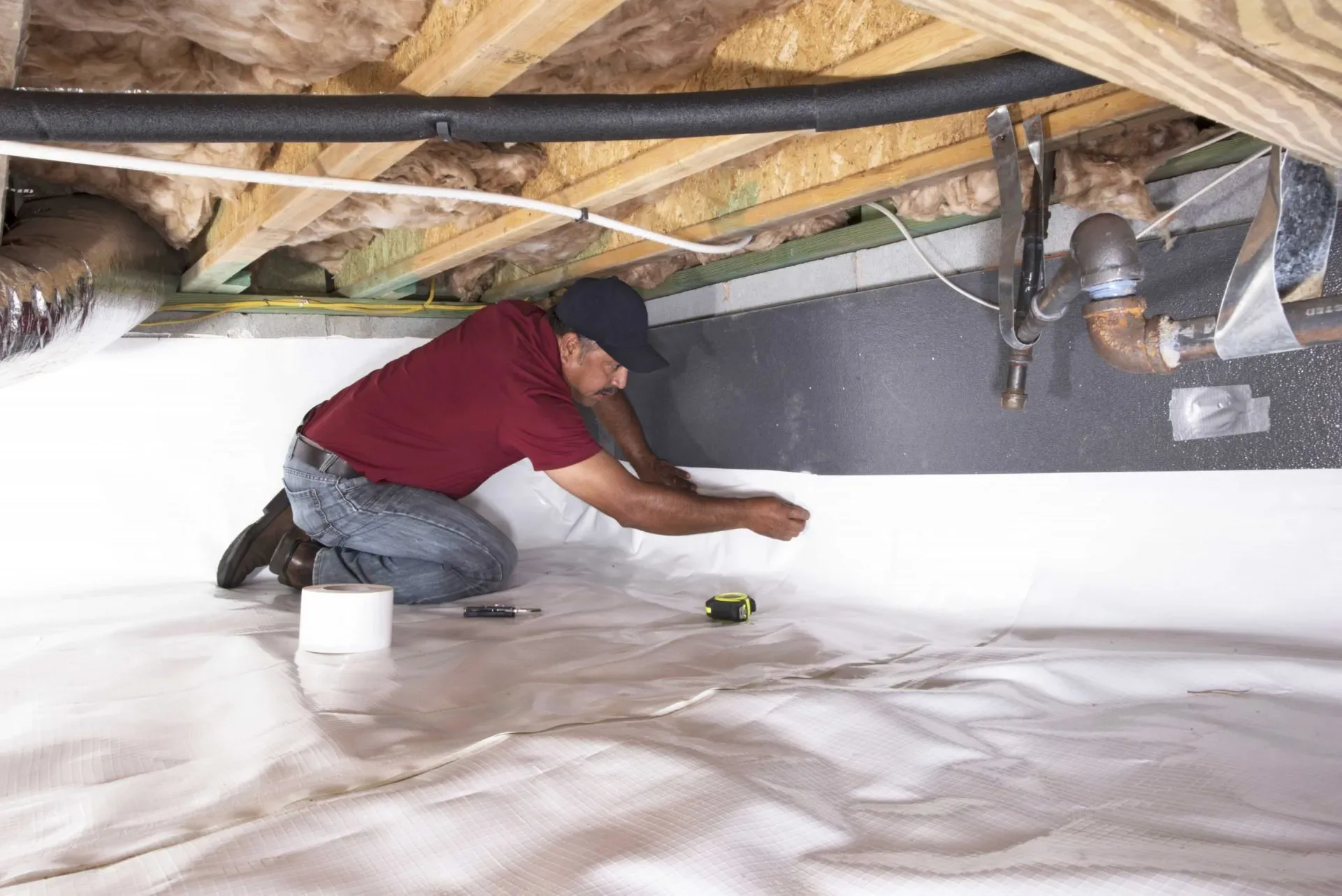
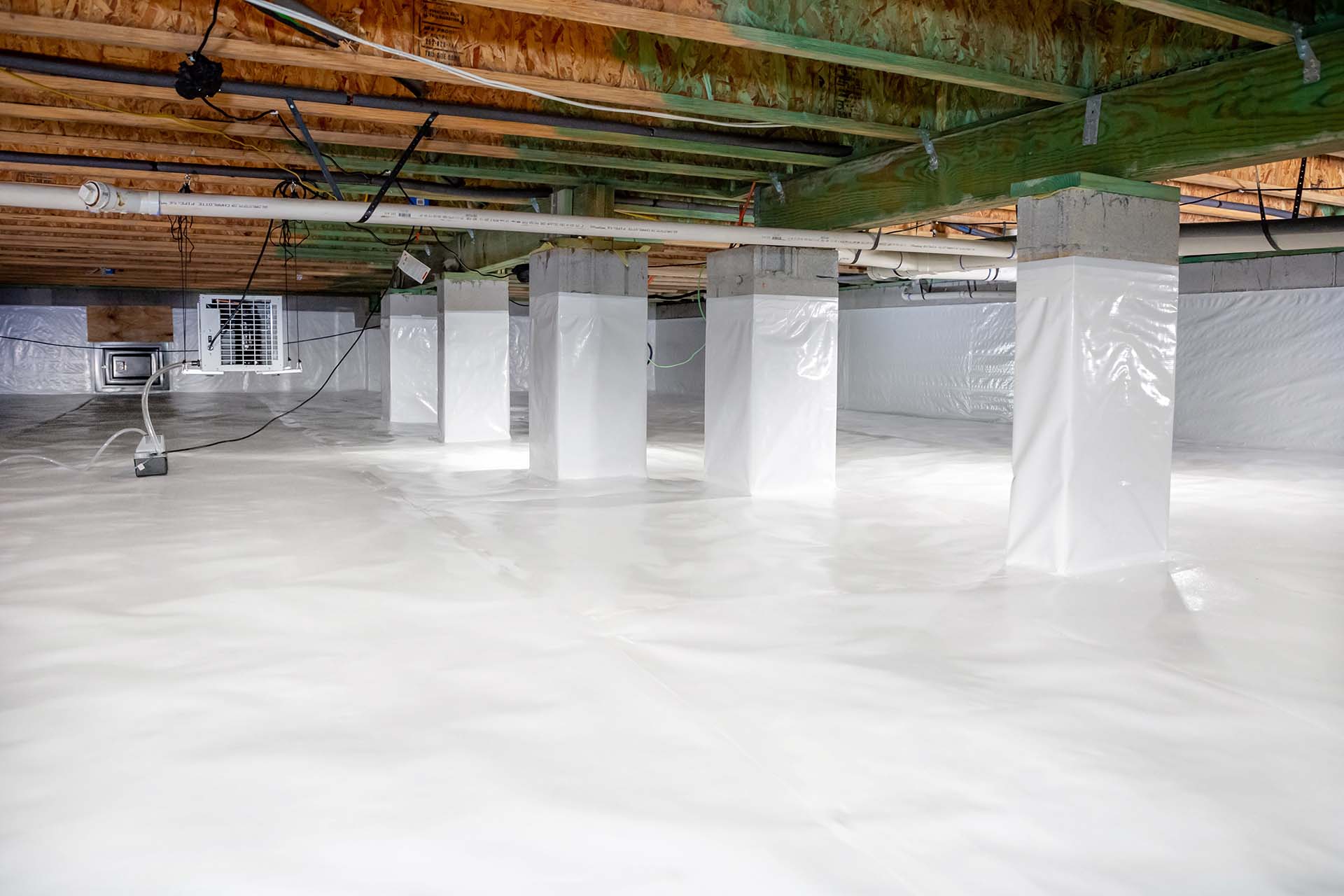
Poorly executed crawl space encapsulation leads to trapped moisture, wood rot, and structural instability that worsens over time. In the humid climate of Daphne, AL, failing to manage these crawl space encapsulation problems allows condensation to build up against wooden floor joists and insulation, causing immediate damage to the foundation and indoor air quality.
This guide explores the specific ways failed or inadequate sealing efforts harm your property. Based on years of local building science observation, these details help you identify early warning signs before they become expensive structural failures. The following information provides a roadmap for maintaining a dry, healthy home environment.
The Impact of High Humidity on Alabama Foundations
Daphne sits in a high-humidity zone where the air often carries more moisture than local building materials can handle. When you face crawl space encapsulation problems, the primary issue is usually a failure to manage the dew point inside your home's crawl space.
If a vapor barrier is too thin or not sealed at the edges, water vapor rises from the soil and clings to the underside of your floor. This creates a damp environment where fungi thrive. Over several years, this moisture weakens the cellulose in your wood, leading to sagging floors and doors that no longer latch correctly.
1. Deterioration of Fiberglass Batts and Wet Crawl Space Insulation
Many older homes in Alabama still rely on fiberglass batts tucked between floor joists. When moisture levels rise due to a failing seal, you end up with wet crawl space insulation. This material acts like a sponge, holding water against the wood.
- Wet fiberglass becomes heavy and pulls away from the subfloor, leaving gaps that let cold air in.
- Once saturated, insulation loses its ability to regulate temperature, causing your utility bills to spike during the hot summer months.
- Constant moisture causes the fibers to mat down, making them permanently ineffective for heat resistance.
2. Damage to Subfloors and Support Beams
Structural wood is porous and naturally absorbs water from the air. Without a proper crawl space moisture barrier installation, the wood reaches a fiber saturation point. This is where the real trouble starts for a Daphne homeowner, as the integrity of the frame begins to decline.
Bonus Tip: Check your wooden beams with a flathead screwdriver. If the wood feels soft or the screwdriver sinks in easily, the moisture levels have already caused internal structural decay.

3. Growth of Dangerous Mold and Fungi
Mold only needs food, oxygen, and moisture to grow. A poorly encapsulated space provides all three in abundance. When the air under your home is stagnant and damp, mold spores multiply and eventually enter your living area through the stack effect.
The stack effect occurs as warm air rises through your home and pulls air up from the crawl space. This means about half of the air you breathe on the first floor comes directly from the area under your house. If that area has crawl space encapsulation problems, your family is likely breathing in mold spores daily.

4. The Failure of Thin or Loose Vapor Barriers
Some builders use thin plastic sheeting that isn't taped at the seams. This is not true encapsulation. A loose barrier allows water to pool on top of the plastic or move underneath it, where it stays trapped against the soil and increases local humidity.
A high-quality spray foam insulation in Daphne, AL project requires a thick, reinforced liner that is mechanically fastened to the walls. Without this, the plastic often shifts, tears, or falls down, leaving the ground exposed to the atmosphere again.
How Do You Identify a Failing Moisture Barrier?
You might notice a musty smell in your closets or a sudden increase in indoor humidity. These are often the first signs that your crawl space is no longer protected. In many cases, the standing water under the plastic creates a floating effect, which indicates that the drainage system or the seal has failed.
Structural movement is another indicator. If you notice new cracks in your drywall or gaps between your baseboards and the floor, the wood underneath may be shifting due to moisture-induced softening. Identifying these crawl space encapsulation problems early saves thousands in foundation stabilization.
Hiring for Spray Foam Moisture Barrier Solutions
In some specific Daphne architectural styles, a spray foam moisture barrier is used to seal the rim joists and walls. When applied correctly, this provides a continuous seal that stops air infiltration and helps maintain a consistent temperature under the home.
However, if the foam is applied to wet wood or in a space with active leaks, it can actually hide rot, making it impossible to see the damage until it is too late. A professional application is required to ensure the wood is dry before the foam is installed.
Bonus Tip: Always ensure a professional inspects the moisture content of your wood before applying any spray foam or permanent sealants. Sealing in moisture is worse than having no seal at all.
Things to Evaluate Before Starting Your Remediation Project
Before you commit to a specific repair method, consider these factors that influence the longevity of your home foundation:
- Does water flow toward your foundation during heavy Alabama thunderstorms due to yard grading?
- Is the wood dry enough to be sealed, or does it need commercial dehumidification first?
- Are there signs of wood-boring beetles or termites that need treatment before the barrier goes up?
- Is the material puncture-resistant enough for someone to crawl over it during future inspections?
- Will the space require an active machine to pull moisture out of the air, or is a passive system enough?

Protecting the Value of Your Daphne Property
A home is often the largest investment you will make. Letting moisture sit under your floorboards is like letting a slow-motion flood happen every single day. By addressing crawl space encapsulation problems early, you prevent the need for expensive piering or joist sistering later on.
The goal of any moisture management system is to keep the wood under your house as dry as the wood in your attic. When you achieve that balance, the structure remains stable, the air stays clean, and the home value is preserved for decades.
Summary of Long-Term Structural Protection
Addressing moisture issues requires a proactive approach that looks at the entire foundation system. You must ensure that your barrier is durable, your insulation is moisture-resistant, and your air quality is monitored. Proper sealing stops the cycle of rot and protects your property from the harsh Gulf Coast environment. Evaluate your crawl space at least twice a year to catch small tears or clogs before they turn into major structural repairs.
Finding Expert Help for Your Crawl Space Insulation and Sealing Needs
If you suspect your current barrier is failing or you notice a musty odor in your home, consulting with a professional is a smart move. Prestige Insulation Solutions offers specialized services to address these issues before they compromise your home's integrity. Their team understands the unique challenges of the Daphne climate and can help you determine if you need a new crawl space moisture barrier installation or a more advanced dehumidification setup. You can reach them at (850) 429-4969 or via email at prestigeinsulationsolutions@gmail.com to request a free quote for your property. Their office is located at https://maps.app.goo.gl/5KkcCP6hxu8nYUGt6, providing local support for residential homeowners who want to protect their investment from the ground up.
Common Questions About Crawl Space Moisture
Why does my crawl space still smell even with a plastic cover?
A simple plastic cover is not a seal. If the seams aren't taped and the plastic isn't run up the walls, moisture still escapes. The smell usually comes from mold growing on the soil or wood that isn't fully covered by the liner.
Can I just use more insulation to stop the dampness?
No, adding more fiberglass insulation often makes the problem worse. Fiberglass doesn't stop moisture; it traps it against the wood. You need a dedicated vapor barrier to block the water before it reaches your insulation layers.
How long does a typical vapor barrier last in Alabama?
A high-quality 20-mil reinforced liner can last over 20 years. However, thin 6-mil plastic often degrades or tears within 5 to 7 years due to pests, soil movement, and the high heat typical of the Alabama coastal region.
Is a dehumidifier always necessary with encapsulation?
In the Daphne area, a dehumidifier is highly recommended. Because the humidity is so high, a sealed space can still trap humid air that enters through small gaps, and a dehumidifier ensures the levels stay below 55 percent to prevent mold.
Will encapsulating my crawl space lower my cooling costs?
Yes, by sealing out the hot, humid air, your air conditioner doesn't have to work as hard to cool the rooms above. Many homeowners see a noticeable drop in their monthly power bills after a professional installation and sealing project.