
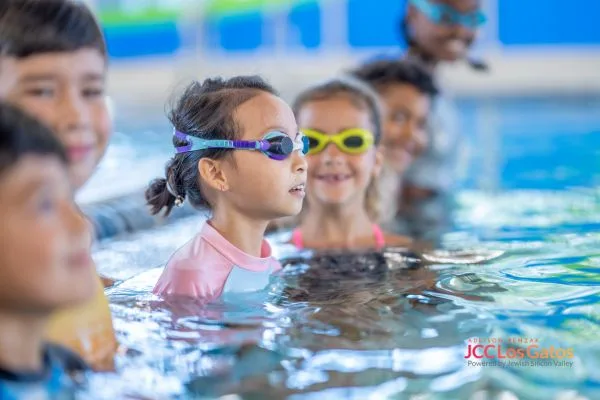
People often see swimming as just a fun activity or a way to stay safe in the water. But for kids, when they start young, early swim classes offer much more than that.
These lessons can help build strength and coordination. They also boost confidence and discipline. What's more, they can even support early brain development.
Signing kids up for swim classes can pay off for their growth. Let's look at how early swim lessons help children do well now and down the road.
Full‑Body Workout and Motor Skill Development
Swimming works out almost all main muscle groups, from arms and legs to core and back. For a young child, this can lead to:
- Better muscle strength and tone: Regular kicking, paddling, and moving in water help build and fine-tune muscles in a gentle way that doesn't put much stress on the body.
- Sharper coordination and motor skills: Matching up limb movements, staying afloat, and learning to glide through water help improve big motor skills faster than many activities on land.
- Healthier heart and lungs: Even quick swims speed up heart rate, boost lung capacity, and support healthy growth of the heart and blood vessels.
Since water offers light resistance and keeps you afloat, swimming is often easier on joints and bones, making it great for kids' growing bodies. You just need to find reliable Los Gatos swimming lessons, camps, or trainers.
The Cognitive & Emotional Benefits: Confidence, Focus, Social Learning
Beyond physical development, early swim lessons yield surprising cognitive and emotional gains:
1. Build Confidence
Swimming helps kids feel good about themselves. They learn something new and get better at controlling their bodies in the water. Floating, kicking, and getting the breathing right; every little step makes them believe in themselves more.
Kids start to think that they can learn anything and get past anything! This attitude helps them do better in school, make friends, and try new sports.
2. Learn to Focus and Listen
Swimming lessons teach kids to pay attention to the teacher, do what they're told, and get their moves right. This helps them focus, be disciplined, and control themselves, which is really helpful in class, when playing in groups, and at home.
Also, learning to swim takes time and effort. It's not easy to move your arms and legs, breathe, and float all at once. Kids learn that if they keep practicing, they'll get better. It’s a great way to learn that hard work pays off!
3. Cognitive Processing & Sensory Development
Water sports are a dynamic environment; it feels different, moves differently, and requires the brain and body to adapt. When children learn to swim, their brain engages in sensory processing (water pressure, buoyancy, temperature), spatial awareness (where their limbs are, how to move them), and coordination.
These early experiences help their brains develop. As they grow older, these skills can help them with balance, movement, and other sports, and even with daily activities.
4. Social and Emotional Growth Through Group Lessons
Often, early swim lessons are conducted in small groups or classes, which provides additional developmental benefits:
- Social Interaction: Children learn to share space, follow group instructions, wait their turn, and observe others through early socialization that builds teamwork and empathy.
- Peer Learning & Motivation: Watching peers succeed can motivate children, seeing others float or kick may encourage them to try harder, and learn faster.
- Emotional Resilience: For many children, trying something new (or sometimes intimidating) like swimming can be emotionally challenging. Overcoming water-related fears, learning to trust instructors, and gradually mastering skills help build resilience, bravery, and trust.
Conclusion: Swim Lessons as a Foundation for Lifelong Growth
Early swim lessons are more than just learning how to stay afloat; they’re a gateway to physical health, cognitive development, emotional strength, and social skills.
At APJCC, we believe in nurturing children’s overall well-being. From gym Los Gatos to swimming, there are many avenues through which kids can grow into confident, healthy, and resilient individuals.
For children, especially in their earliest years, swimming offers a unique environment: challenging yet supportive, novel yet natural.