Owning a home comes with a wide range of responsibilities, from routine maintenance and repairs to ensuring the property remains protected against unexpected events. While many homeowners understand the importance of having insurance coverage, fewer fully understand the role that insurance inspections play in the process. These inspections provide valuable information about a property’s condition and can significantly influence coverage eligibility, policy requirements, and overall preparedness.
Insurance inspections are not designed to create obstacles for homeowners. Instead, they help insurance providers evaluate potential risks while giving property owners a clearer understanding of the condition of key systems and structural components. By identifying issues before they become larger concerns, insurance inspections can help homeowners make informed decisions that support both property protection and long-term maintenance planning.
As insurance requirements continue to evolve, professional inspection services have become an increasingly important resource for homeowners looking to stay prepared.
Understanding the Purpose of Insurance Inspections
Insurance inspections are evaluations performed to assess certain aspects of a property’s condition that may affect risk levels and insurability. Depending on the type of inspection requested, inspectors may review roofing systems, electrical components, plumbing infrastructure, HVAC equipment, and structural features.
The information collected during these evaluations helps insurance companies better understand the condition of the home while also helping property owners identify areas that may require attention.
Rather than focusing solely on current issues, insurance inspections often help homeowners prepare for future maintenance needs and insurance-related requirements.
Why Insurance Companies Request Property Inspections
Insurance providers assume financial risk when issuing policies. To better understand that risk, they may request inspections that evaluate the overall condition of specific property systems.
Assessing Key Property Components
Major systems such as roofing, electrical wiring, plumbing, and heating or cooling equipment play important roles in determining how a property performs over time. Aging or deteriorating systems may increase the likelihood of future claims.
Insurance inspections provide objective information regarding the condition of these critical components.
Supporting Coverage Decisions
Inspection findings help insurance companies make informed decisions regarding policy eligibility and coverage options. Well-maintained homes often present lower risk profiles compared to properties with significant deferred maintenance.
For homeowners, understanding these requirements ahead of time can make the insurance process more straightforward.
The Value of Preparation for Homeowners
One of the greatest advantages of insurance inspections is that they allow homeowners to prepare proactively rather than reactively.
Identifying Potential Concerns Early
Small maintenance issues often go unnoticed until they develop into larger problems. Insurance inspections can reveal concerns that may affect future coverage or property performance.
By identifying these issues early, homeowners gain the opportunity to address them before they escalate.
Reducing Last-Minute Surprises
Many property owners encounter unexpected challenges when applying for new insurance policies or renewing existing coverage. Discovering deficiencies during the underwriting process can create stress and delays.
Professional inspections help homeowners understand their property’s condition in advance, reducing the likelihood of unexpected complications.
Common Types of Insurance Inspections
Several types of inspections are commonly associated with homeowner insurance requirements.
Four-Point Inspections
A four-point inspection focuses on four major systems within the home: roofing, electrical, plumbing, and HVAC. Insurance providers often request these evaluations for older properties to assess overall risk.
The inspection provides a snapshot of the condition and functionality of these critical systems.
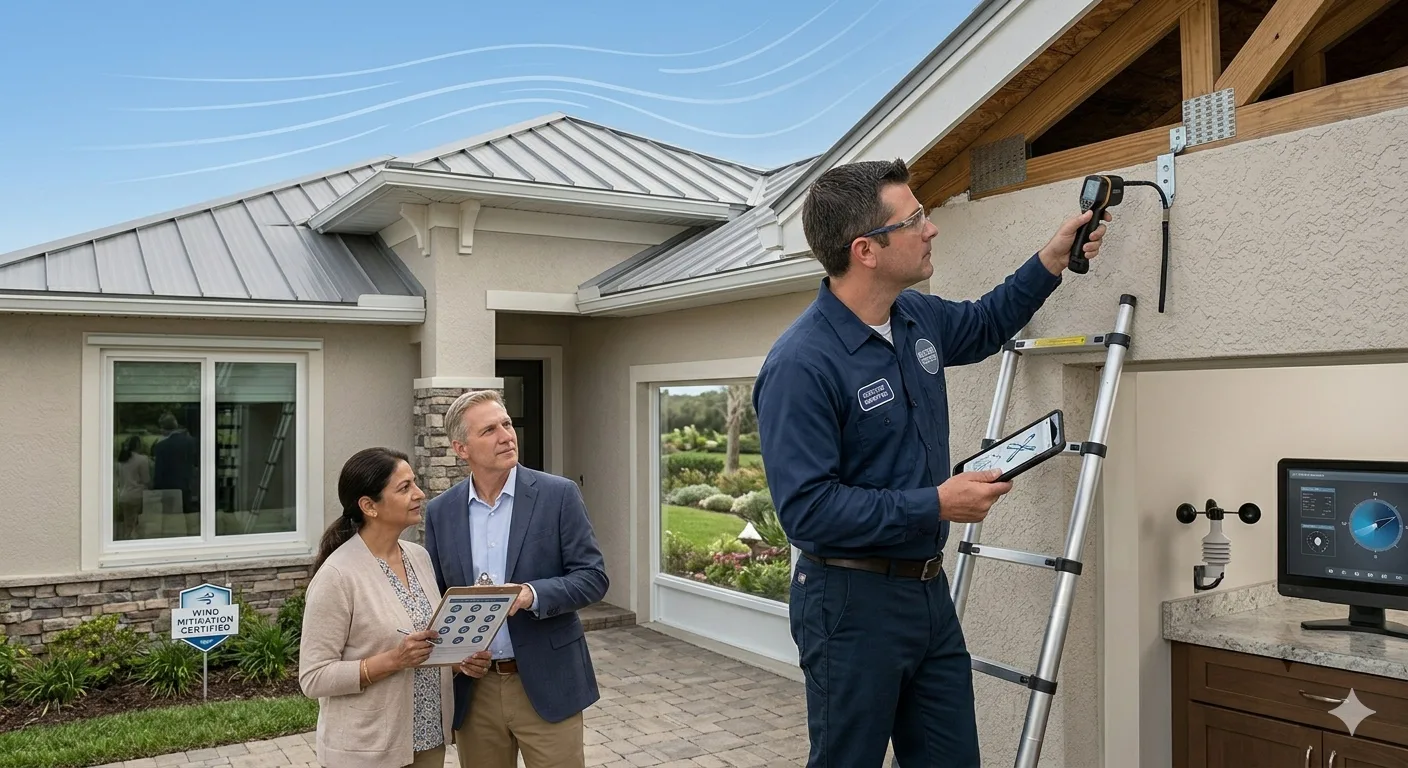
Wind Mitigation Inspections
Wind mitigation inspections evaluate construction features that may improve a home’s resistance to wind-related damage.
These inspections often examine roofing attachments, roof shape, secondary water barriers, and other structural characteristics that may influence insurance considerations.
General Property Evaluations
In some situations, insurance companies may request broader property assessments to better understand the overall condition of the home and identify any potential risk factors.
How Insurance Inspections Encourage Better Maintenance
Homeowners sometimes delay maintenance because issues are not immediately visible or disruptive. Insurance inspections can serve as an opportunity to evaluate the property’s condition from a broader perspective.
Promoting Preventive Care
Inspection findings often highlight maintenance items that deserve attention. Addressing these concerns proactively helps preserve the home’s overall condition and may reduce the likelihood of larger repairs in the future.
Preventive maintenance is typically more affordable than emergency repairs and contributes to long-term property performance.
Supporting Long-Term Planning
Detailed inspection reports provide valuable information that homeowners can use when planning future upgrades and maintenance projects.
Understanding the current condition of major systems helps property owners prioritize investments and budget more effectively.
Why Professional Expertise Matters
Insurance-related inspections require attention to detail and a thorough understanding of property systems. Experienced inspectors know how to evaluate key components accurately and document findings according to industry standards.
Working with providers that offer reliable insurance inspection solutions for homeowners helps ensure that reports are comprehensive, accurate, and useful for both homeowners and insurance providers.
Professional inspectors understand the requirements associated with various inspection types and provide clear documentation that supports informed decision-making.
Benefits During Real Estate Transactions
Insurance inspections can also be valuable during property purchases and sales.
Helping Buyers Understand Future Requirements
Prospective homeowners benefit from understanding potential insurance-related concerns before completing a purchase. Inspection findings provide insight into areas that may require future attention.
This information supports better budgeting and planning after closing.
Supporting Smoother Transactions
When sellers address insurance-related concerns before listing a property, they may reduce potential complications during the buyer’s insurance approval process.
This preparation can contribute to more efficient transactions and fewer delays.
Insurance Inspections and Property Value
A well-maintained property generally retains value more effectively over time. Insurance inspections encourage homeowners to stay informed about the condition of major systems and structural components.
Demonstrating Responsible Ownership
Documentation showing that a home has been professionally evaluated reflects positively on the owner’s commitment to maintenance and property care.
This perception can be beneficial during future sales and refinancing efforts.
Preserving Long-Term Performance
Regular inspections help homeowners identify concerns early, reducing the likelihood of extensive deterioration. Maintaining major systems in good condition supports both property value and overall functionality.
Conclusion
Insurance inspections serve an important purpose for both homeowners and insurance providers. By evaluating key systems and identifying potential concerns, these inspections help property owners prepare for coverage requirements while supporting smarter maintenance decisions.
From four-point inspections and wind mitigation evaluations to broader property assessments, insurance inspections provide valuable insight into the condition of a home. Homeowners who take a proactive approach often experience fewer surprises, greater confidence, and improved long-term property management.
Peace of Mind Home Inspections helps homeowners better understand their property’s condition through detailed inspection services designed to support informed decision-making. Investing in professional insurance inspections is a practical step toward protecting both your property and your future preparedness.