
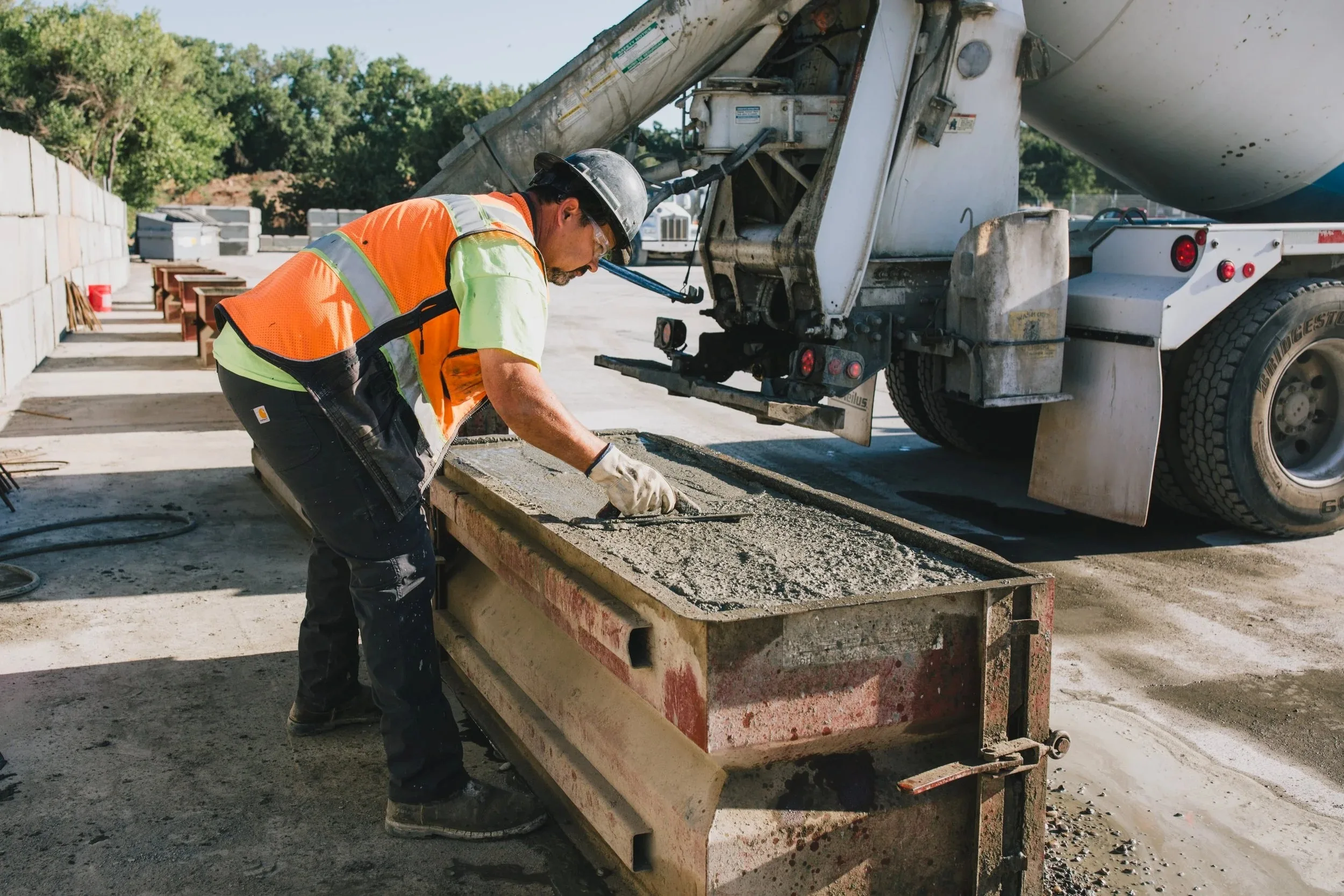
Concrete may look hard within a short time, but it needs much longer to gain its full strength. The curing period affects how well a slab handles weight, weather, traffic, and daily use. If you plan a driveway, walkway, patio, or other project, understanding concrete cure time helps you protect the surface and avoid costly problems.
What Does Concrete Curing Mean?
Concrete curing describes the process that allows fresh concrete to gain strength as cement reacts with water. The process starts soon after workers finish the pour and continues for weeks.
Many people assume that concrete becomes fully strong once the surface feels firm. However, the inside still needs time to develop strength. Proper curing helps concrete resist cracking, shrinkage, surface damage, and heavy loads.
For most residential and commercial projects, concrete pouring services in Troy can help you choose the right curing approach based on the slab size, concrete mix, weather, and expected use.
How Long Does Concrete Take to Cure?
Most concrete reaches about 70% of its design strength within seven days when conditions support proper curing. Concrete usually reaches its full design strength around 28 days.
However, these timeframes can change. Several factors affect how quickly concrete cures, including:
- Temperature and weather
- Concrete mix design
- Slab thickness
- Moisture levels
- Air movement
- Use of curing compounds
- Type of project
- Expected load on the surface
A contractor should consider these conditions instead of relying only on a standard timeline.
Concrete Cure Time: A Simple Timeline
Knowing what happens during each stage can help you plan your project more effectively.
First 24 Hours
Fresh concrete needs careful handling during the first day. Workers finish and level the surface before the concrete starts to stiffen.
During this stage, avoid walking on the slab unless the contractor says it can handle light foot traffic. Keep pets, vehicles, tools, and other heavy objects away from the surface.
After 48 Hours
Concrete usually becomes firm enough for limited foot traffic after about two days, depending on the mix and weather.
Even though the surface feels hard, the concrete has not reached its full strength. Avoid dragging heavy objects across it or placing significant loads on the slab.
After 7 Days
At around seven days, concrete often reaches a large portion of its intended strength. Some residential surfaces may handle normal light use at this point.
However, you should still follow the contractor's instructions. A driveway, garage floor, or commercial slab may require more time before it can handle vehicles or heavy equipment.
After 28 Days
Around 28 days, standard concrete typically reaches its specified design strength. Contractors often use this period as the main benchmark when discussing concrete strength.
This does not mean the concrete suddenly stops gaining strength at day 28. Concrete can continue gaining strength beyond this point, although the rate usually slows.
What Factors Affect Concrete Curing Time?
Concrete does not cure at the same speed in every situation. Understanding the main factors can help you set realistic expectations.
1. Temperature
Temperature plays a major role in curing. Warm conditions can support faster strength development, while cold weather can slow the process.
Extremely hot weather can also create problems because concrete may lose moisture too quickly. Contractors may adjust their curing methods to protect the surface.
2. Moisture
Concrete needs moisture during the curing process. If the surface dries too quickly, the concrete may develop cracks or weaker areas.
Proper moisture control helps the cement continue its chemical reaction and supports better long-term strength.
3. Concrete Mix
Different projects require different concrete mixes. A mix designed for a driveway may differ from one used for a commercial parking area or structural application.
The cement content, additives, water ratio, and other materials can affect strength development and curing behavior.
4. Slab Thickness
Thicker concrete slabs can require different curing considerations than thin slabs. The size and design of the project influence how contractors manage temperature and moisture.
5. Project Use
A walkway and a commercial parking area do not face the same demands. A surface that only needs to support pedestrians may become usable sooner than one that must support cars, trucks, or heavy equipment.
Professional concrete pouring services can evaluate the intended use and provide a more practical timeline for curing and surface use.
When Can You Walk or Drive on New Concrete?
Light foot traffic may become possible after about 24 to 48 hours under suitable conditions. However, contractors may recommend waiting longer if temperatures remain low or the project requires extra strength.
Driving on a new concrete driveway requires more caution. Many projects need at least seven days before regular vehicle use, while heavier loads may require additional curing time.
Always follow the specific instructions from your contractor. Using the surface too early can damage the concrete before it develops enough strength.
How Can You Protect Fresh Concrete?
Good curing practices can improve the final result. After the pour, take simple steps to protect the surface.
- Keep vehicles away from the slab until the contractor approves use.
- Prevent heavy equipment from crossing the area.
- Avoid placing heavy materials on fresh concrete.
- Protect the surface from extreme weather when necessary.
- Maintain suitable moisture during the early curing period.
- Follow the contractor's curing and maintenance instructions.
- Watch for early cracks, surface dusting, or unusual damage.
These steps can help the concrete develop strength while reducing the risk of avoidable surface problems.
Why Professional Concrete Work Matters
Concrete placement involves more than pouring cement into a prepared area. Workers need to prepare the base, select a suitable mix, place the concrete correctly, finish the surface, control joints, and manage curing.
Poor timing or improper curing can lead to cracking, scaling, uneven surfaces, and reduced durability. Professional contractors understand how local weather and project requirements can affect the process.
When comparing concrete pouring services, look for contractors who explain the expected timeline, curing method, surface-use restrictions, and maintenance needs before starting the project.
Does Faster Curing Always Mean Better Concrete?
Not necessarily. Concrete needs enough time to develop strength properly. Trying to speed up the process without the right materials or techniques can create problems.
Contractors can use suitable concrete mixes, admixtures, curing methods, and temperature controls when a project requires faster strength development. The right approach depends on the project rather than simply trying to shorten the curing period.
Final Thoughts
Concrete usually needs about 28 days to reach its standard design strength, although the surface may support limited use much sooner. Weather, moisture, mix design, slab thickness, and intended use can all change the timeline. Proper curing remains essential for a strong and durable surface. Working with experienced concrete pouring services in Troy can help you choose the right curing plan and avoid premature use.
FAQs
1. Can I walk on concrete after 24 hours?
In many cases, light foot traffic may work after about 24 to 48 hours. However, temperature, mix design, and curing conditions can change this timeframe. Follow your contractor's instructions before walking on the surface.
2. How many days should I wait before driving on a new driveway?
Many concrete driveways need at least seven days before regular vehicle traffic. Heavier vehicles may require more time. Your contractor can recommend a safer timeline based on the concrete mix and weather.
3. Does rain ruin freshly poured concrete?
Rain can cause problems if it hits fresh concrete before the surface sets properly. Contractors can protect the slab when rain threatens the project. Once concrete gains enough strength, normal rain generally does not harm it.
4. Why does my new concrete have small cracks?
Small cracks can develop for several reasons, including shrinkage, rapid moisture loss, temperature changes, poor curing, or movement beneath the slab. A contractor can inspect the cracks and determine whether they need attention.
5. Can concrete cure faster during hot weather?
Warm conditions can speed up strength development, but excessive heat can also cause moisture to leave the surface too quickly. Contractors need to control moisture and temperature to support proper curing rather than simply relying on hot weather.