What happens to a Mazda’s safety systems after a crash that looks minor from the outside? Many drivers focus on dents, paint, and panel gaps first. The bigger issue often sits behind the bumper cover, inside the quarter panel, or within the vehicle structure. That is where Mazda collision repair in Chico becomes more than body work. It becomes a technical process that protects braking support, lane guidance, radar functions, sensor accuracy, and occupant protection.
A shop may return the shine fast. It still needs to return the safety logic, too. When a driver also needs a reliable towing service in Chico, the repair process starts even earlier, at the point of recovery and intake.
Why Mazda Safety Systems Need More Than Cosmetic Repair
Modern Mazda models depend on a network of cameras, radar units, sensors, wiring, and structural reference points. Front-facing cameras read lane markings. Radar units track distance and closing speed. Blind spot sensors monitor traffic around the rear quarters. Airbag systems rely on impact data, seat belt status, and crash energy moving through the body as designed.
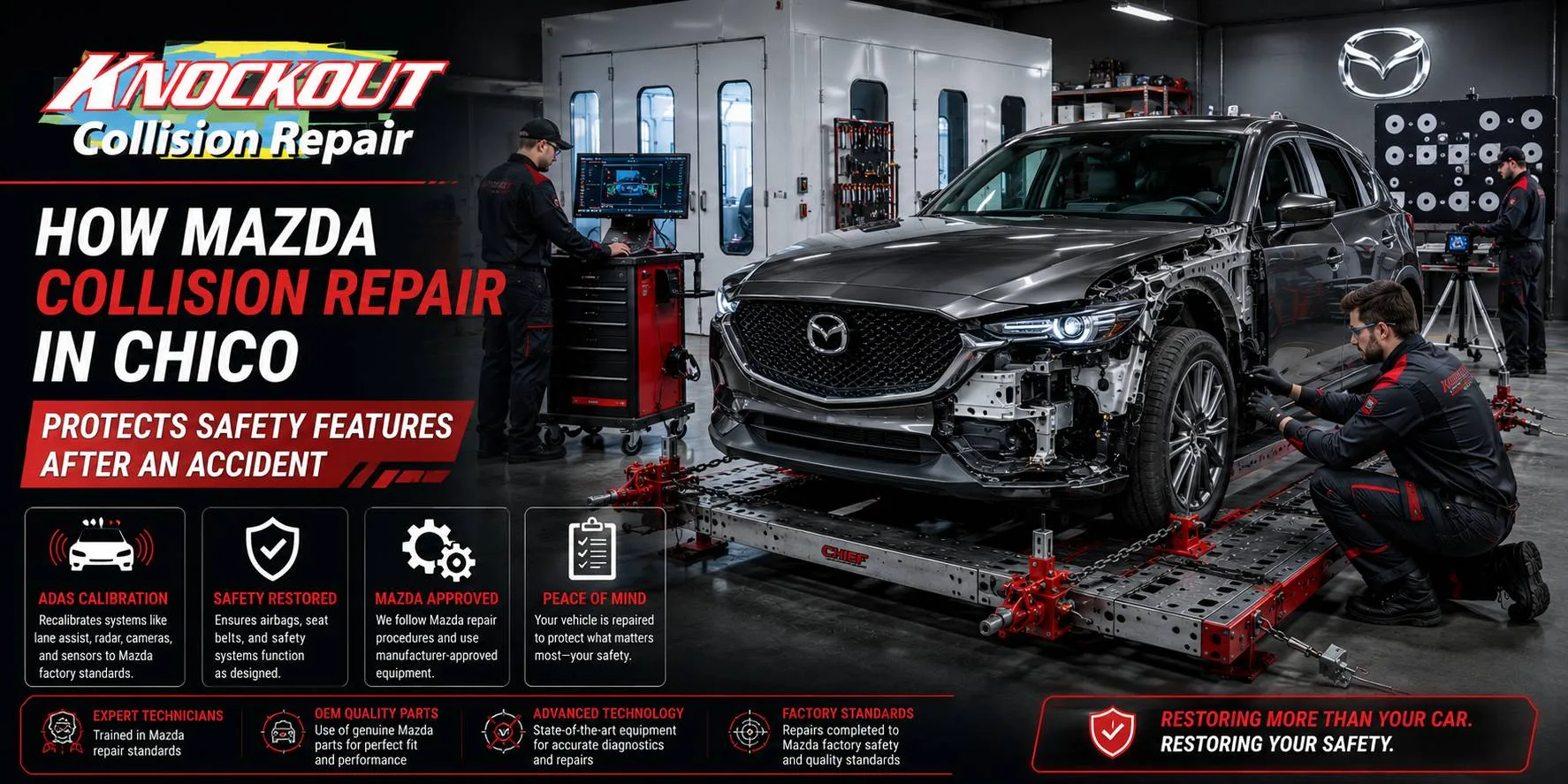
That is why Mazda collision repair in Chico cannot stop at replacing visible damage. A proper repair starts with scanning the vehicle, mapping damaged areas, checking hidden structural movement, and reviewing manufacturer repair procedures before a technician removes a single part. Even a light front-end hit can shift brackets, change sensor angles, or distort mounting points enough to affect system performance.
Knockout Collision Repair builds its repair process around OEM parts, manufacturer repair standards, quality control, and a lifetime warranty. That combination speaks to owners who need more than a quick exterior fix.
Which Mazda Safety Features Need Inspection After A Collision
Mazda vehicles often carry safety systems that depend on exact positioning. After impact, a shop must inspect each system tied to the damaged area, not only the damaged panel.
- Forward collision support sensors near the grille or front structure
- Blind spot monitoring units behind the rear side sections
- Lane departure and lane keep camera alignment at the windshield area
- Rear cross-traffic alert components are affected by rear bumper damage
- Adaptive cruise control hardware tied to the front radar positioning
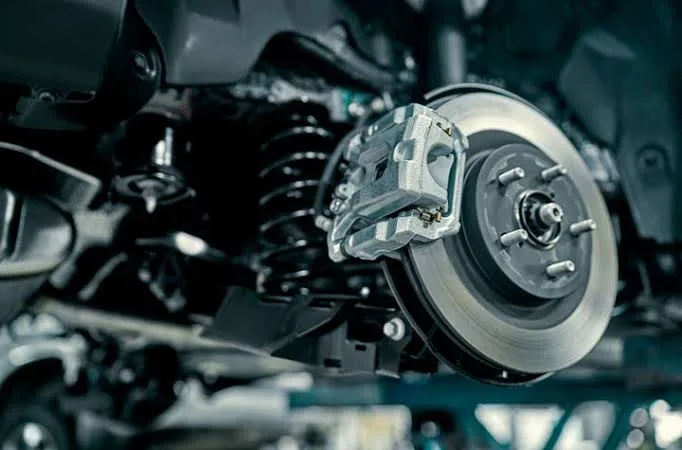
- Airbag and restraint-related sensors are affected by structural load paths
This is where Mazda collision repair in Chico protects more than appearance. It protects how those systems read the road, interpret risk, and respond in real driving conditions. A repaired bumper with poor fit, a reused damaged bracket, or an unchecked sensor mount can create errors that the driver may not catch right away.
A reliable towing service in Chico also supports this process. Poor vehicle handling after a collision can worsen underbody, wheel, or suspension damage during transport. Correct towing keeps the repair file clean from the start.
OEM Repair Procedures vs Shortcut Repairs For Mazda Vehicles
Mazda repair quality depends on the method, not only on labor hours. The difference shows up in how the shop handles structure, parts selection, calibration, and verification.
Repair AreaProper Mazda-Focused ApproachShortcut ApproachParts SelectionUses OEM parts for fit and crash compatibilityUses non-matching parts with uncertain fitStructural RepairFollows sectioning and welding guidancePulls or patches damaged areas without procedure reviewSensor MountingRestores brackets and mounting points to specReuses bent mounts or skips measurement checksCalibrationPerforms required scans and calibrationsClears codes without full verificationFinal DeliveryConfirms fit, function, and system responseFocuses mostly on paint finish and panel lookThis is where Mazda collision repair in Chico separates a technical repair from a cosmetic repair. Mazda's body structure, especially on unibody vehicles, supports both crash management and sensor reliability. If the structure sits out of tolerance, advanced safety systems can read the world from the wrong angle. That creates a risk the driver cannot see.
How Structural Accuracy, Paint Work, And Claims Support Tie Everything Together
A Mazda repair needs continuity from teardown to delivery. Structural measurements guide the repair plan. OEM parts restore the designed fit. Paint work must respect panel finish and component location. Final scans and road-ready checks confirm that the vehicle functions as intended.
Paint and refinishing also affect safety-related areas more than many drivers expect. A bumper cover may look perfect while hiding a poor fit around radar-related zones. Quarter panel work can affect blind spot hardware placement. Even suspension or wheel impact can require alignment checks before calibration makes sense.
Knockout Collision Repair also gives owners one place for collision repair, estimates, insurance coordination, and towing support. That single workflow reduces delay, paperwork gaps, and missed repair steps during a stressful claim.
Why A Mazda Owner Should Judge Repair Quality By Verification, Not Speed Alone
Fast turnaround has value, but speed cannot define repair quality after a collision. A Mazda owner should ask whether the shop completed pre-repair scanning, structural measurement, OEM-based repair planning, replacement part verification, calibration work, and final quality control. Those steps protect safety features after the vehicle leaves the shop, not just while it sits under bright lights in the delivery bay.
In the end, mazda collision repair in chico should protect sensor accuracy, structural integrity, restraint performance, and long-term vehicle reliability, not only exterior appearance.