Nobody publishes a price list for marine fuel services, and any supplier who does should make you suspicious. Fuel is a commodity priced off wholesale markets that move daily, and delivery is a logistics job whose cost depends entirely on where your vessel is and how hard it is to reach. A flat published rate would mean one of those two things is being fudged.
That does not mean pricing is a mystery. It means you need to understand the variables well enough to read a quote critically and compare two suppliers on the same terms. Here are the factors that actually move the number.
Factor 1: The fuel product itself
The largest line on any quote is the fuel, and the grade matters. Marine diesel, marine gasoline, and certified premium products like ValvTect Marine Diesel and ValvTect Marine Gasoline are not interchangeable commodities.
Certified marine fuel carries a formulation and an additive package built for marine duty cycles. The BioGuard package in our ValvTect products disperses water, prevents the bacteria that plug filters, cleans injector deposits, improves fuel stability, and supports higher cetane performance. That chemistry sits in the price.
The comparison worth running is not premium marine fuel against pump fuel on price per gallon. It is premium marine fuel against pump fuel plus aftermarket additives plus the filter changes, injector service, and downtime that ethanol and moisture problems eventually produce. Buyers who only compare the first number tend to pay the difference later.
Factor 2: Volume
Volume drives price in fuel the way it drives price in everything else. Larger deliveries spread the fixed cost of dispatching a truck and a driver across more gallons, so the effective per-gallon cost falls as delivery size rises.
This is why a single recreational vessel taking on a modest fill and a commercial operator moving thousands of gallons across a fleet are not quoted on the same basis. If your operation is small, consolidating deliveries rather than ordering in dribs is the most direct lever you have on cost.
Factor 3: Delivery method and access
This is the variable most people underestimate. Marine fuel pricing is largely a delivery pricing problem, because a vessel cannot come to the fuel the way a truck can.
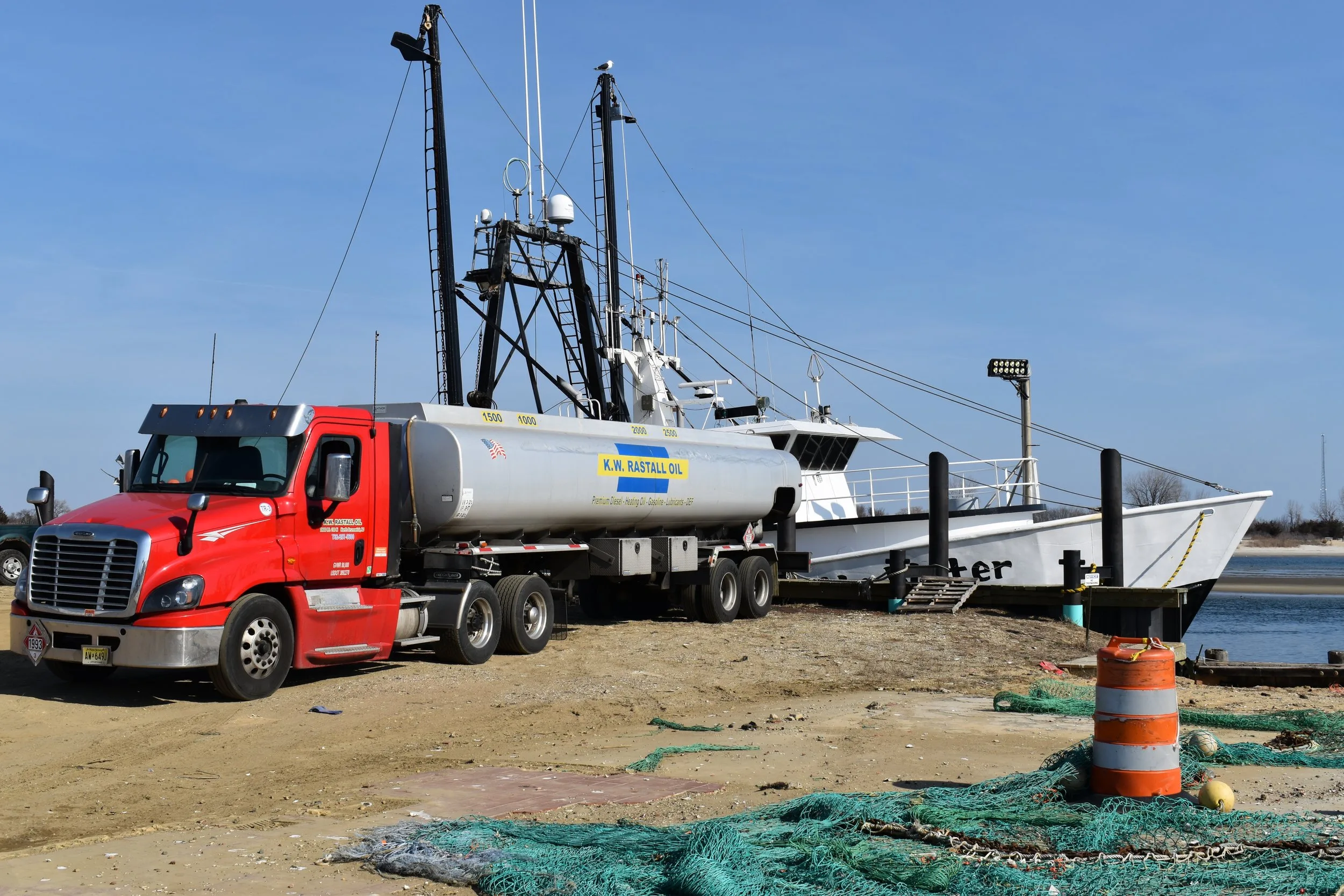
Dockside and marina supply, where fuel comes directly to your slip, is generally the most straightforward delivery to execute. Offshore fuel delivery, reaching commercial vessels, tugboats, barges, and workboats away from a dock, involves more coordination, more transit, and more constraints, and it prices accordingly. The tradeoff is real, though: offshore fuel delivery removes the cost of running a vessel back to a fueling point, which for a working commercial craft can exceed the delivery premium outright.
Access details matter too. Tight approaches, restricted hours, congested marinas, and the physical layout of the site all affect how long a delivery takes, and time on site is cost.
Factor 4: Vessel type and fuel system
A yacht, a fishing boat, a tugboat, and a barge present very different fueling jobs. Tank capacity, the number of tanks, fill point location, and how much fuel the vessel takes in one sitting all shape the work involved.
Vessel type also drives the product decision, which loops back to Factor 1. A recreational boat running gasoline and a commercial workboat running diesel are on different products at different price points before delivery is even considered.
Factor 5: Location and coverage
Distance from the supplier’s plant and fleet is a straightforward cost input, and so is whether your operating area sits inside their normal service footprint or at the edge of it. A supplier reaching well outside their range is pricing in transit you are ultimately paying for.
Rastall Oil delivers across the Northeast and Mid-Atlantic, including New Jersey, Pennsylvania, Maryland, and Virginia. Matching a supplier’s footprint to your actual routes is one of the simplest ways to avoid paying for someone else’s inefficiency.
Factor 6: Frequency and scheduling
How you buy affects what you pay. Scheduled, planned delivery lets a supplier route efficiently, batch work sensibly, and forecast volume. Reactive one-off orders do none of that.
Emergency delivery sits at the other end. Fast-response fueling for a vessel stuck offshore, a boat facing a departure that cannot slip, or a commercial craft running an unexpectedly long route is a priority dispatch, and priority costs more than planned work in every logistics business.
The strategic point: the cheapest emergency delivery is the one you never needed. Planned fuel management, where consumption is matched to a delivery schedule, is as much a cost-control measure as an operational one.
Factor 7: Additional services
Quotes vary in what they include. Some suppliers price fuel and stop. Others fold in fuel management, planned scheduling, consolidated supply across your shore-side equipment and vehicles, and the trained personnel and spill-response capability that handling fuel around water requires.
When you compare two numbers, confirm they cover the same scope. A lower quote that excludes emergency access, or comes from a supplier without credentialed handling and spill readiness, is not actually the lower quote. It is a different product.
How to compare quotes properly
Ask every supplier the same set of questions: which exact fuel product, priced how; what delivery methods are included and what each costs; how emergency delivery is priced and dispatched; what the scheduled-delivery arrangement looks like; and what is bundled versus billed separately.
Then compare on total cost of keeping vessels fueled and running, not on price per gallon alone. For a working vessel, an hour of avoided downtime frequently outweighs the entire delivery differential.
If you operate vessels in the Northeast or Mid-Atlantic and want a clear quote for marine fuel services, including dockside, marina, and offshore fuel delivery with certified ValvTect products, contact Rastall Oil. We will price a supply plan based on how your fleet actually operates, not a generic rate card.