Opening Scene: The Digital Classroom Revolution
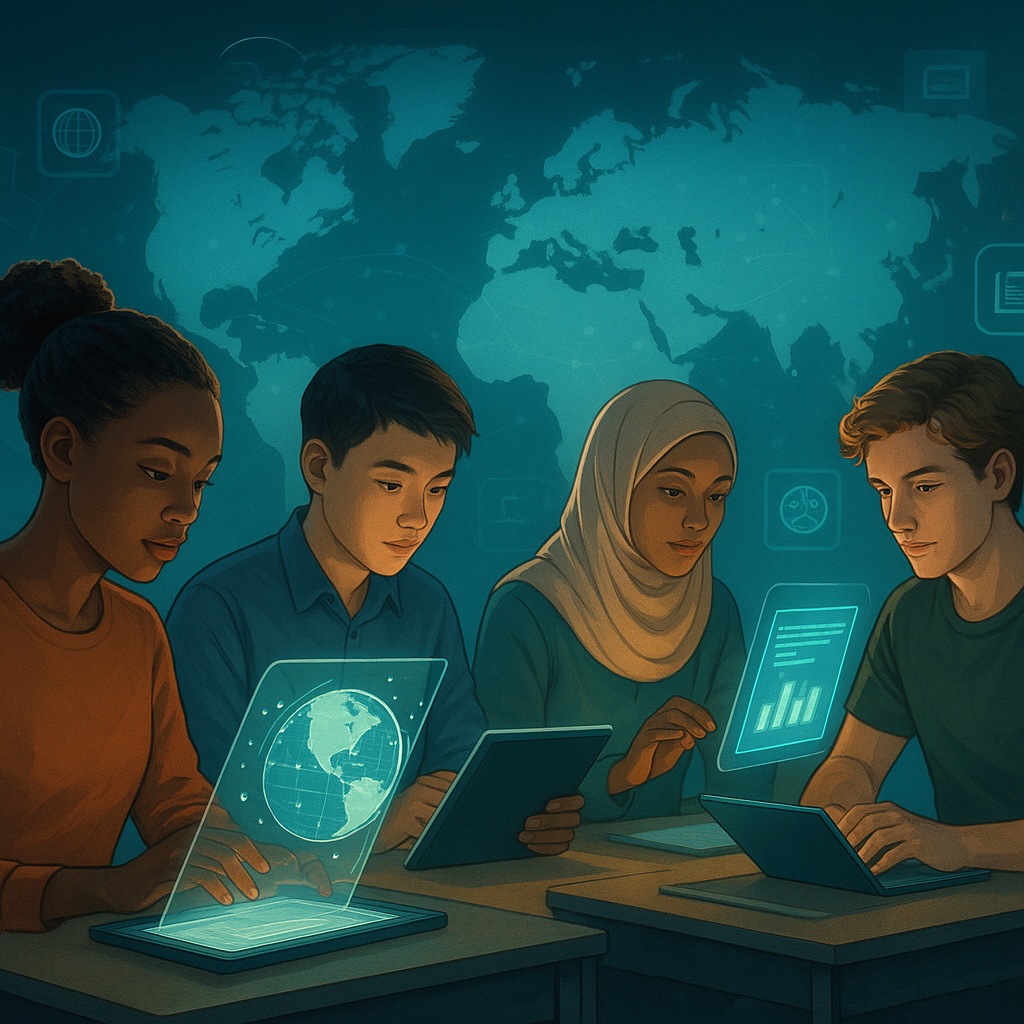
On a spring morning in 2026, a 14-year-old student in a remote village in Kenya logged into a virtual classroom hosted by a leading global university. With just a basic smartphone and intermittent internet, she joined peers from New York, Mumbai, and São Paulo to learn advanced robotics through a live interactive session. This scene, once unimaginable, has become commonplace, illustrating the profound transformation of education through online learning.
The rise of online education platforms has not only broken down geographical barriers but also redefined the very concept of who can access quality learning. According to UNESCO's 2025 Global Education Report, over 60% of students worldwide now engage in at least some form of digital learning, a dramatic increase from just 15% in 2015. This shift has democratized education but brought with it complex challenges and opportunities that educators, policymakers, and technologists continue to navigate.
“Online learning is no longer a supplement but a pivotal pillar of global education systems, bridging gaps that physical classrooms cannot.” – Dr. Helena Mbeki, Education Technology Expert
Tracing the Evolution: From Correspondence Courses to AI-Driven Platforms
The roots of online learning stretch back over a century, beginning with correspondence courses in the early 1900s. However, the advent of the internet in the late 20th century catalyzed a new era of digital education. The early 2000s witnessed the rise of Massive Open Online Courses (MOOCs), spearheaded by platforms like Coursera and edX, which promised access to Ivy League education for anyone with an internet connection.
Despite initial hype, early MOOCs faced criticism for high dropout rates and low engagement. The last decade, however, saw exponential growth fueled by advancements in cloud computing, mobile technology, and artificial intelligence. Adaptive learning algorithms and personalized content delivery have enhanced learner engagement and outcomes. According to the International Association of Online Learning, by 2020, over 90% of universities globally had integrated online components into their curricula.
Significantly, the COVID-19 pandemic accelerated adoption, forcing a rapid pivot to remote instruction. This event highlighted both the potential and the disparities of online education, prompting increased investment in digital infrastructure worldwide.
“The pandemic was a catalyst that exposed faults but also accelerated innovation in online education at an unprecedented pace.” – Prof. Luis Chen, Educational Policy Analyst
Data-Driven Insights: Measuring Online Learning’s Impact
By 2026, the data surrounding online education offers a nuanced picture. Globally, online learning platforms report an average completion rate of 65% for accredited courses, a notable improvement from earlier years. The integration of AI tutors and real-time analytics has allowed for better tracking of student progress and tailored interventions.
Several key metrics highlight the ongoing transformation:
- Enrollment Growth: Online course enrollment has increased by 150% since 2020, with emerging markets like Africa and Southeast Asia contributing the most.
- Skill Acquisition: Over 70% of learners report gaining job-relevant skills, according to a 2025 survey by the World Economic Forum.
- Cost Efficiency: Institutions have reduced per-student costs by an average of 30% through digital delivery, enabling reinvestment in quality improvements.
- Equity Challenges: Despite gains, 25% of students in low-income regions still lack reliable internet access, underscoring persistent digital divides.
Comparatively, online learners often outperform traditional peers in standardized assessments of critical thinking and problem-solving, reflecting the benefits of self-paced, interactive content. Yet, concerns about social isolation and practical skill application remain areas for ongoing research.
2026 Developments: AI, Immersive Tech, and Policy Innovations
The current landscape of online learning in 2026 is marked by groundbreaking technological and policy developments. Artificial intelligence now powers not only personalized tutoring but also automated grading, plagiarism detection, and even emotional analytics to gauge learner engagement. Platforms employing virtual and augmented reality have created immersive simulations for subjects ranging from medical surgery to historical recreations.
Governments and educational bodies worldwide have adopted frameworks to ensure quality and accreditation of online programs. The UNESCO Global Framework for Digital Education Quality, finalized in 2024, sets standards for accessibility, inclusivity, and data privacy, influencing national policies.
Notably, partnerships between tech companies and universities have expanded hybrid models that blend in-person and online learning, optimizing flexibility without sacrificing community. These models are especially prevalent in professional and lifelong learning sectors, where rapid skill updating is critical.
- Key 2026 Trends:
- AI-driven adaptive learning platforms with real-time feedback loops.
- Expanded use of VR/AR for experiential learning across disciplines.
- Global accreditation standards improving cross-border recognition of credentials.
- Increased investment in rural broadband to close connectivity gaps.
Such innovations are transforming online education from a reactive necessity into a proactive strategy for global skill development.
Expert Perspectives: Industry Leaders on Online Education’s Trajectory
Leading voices in education technology emphasize that the future of online learning lies in its ability to foster not only knowledge acquisition but also community and critical thinking. Dr. Amara Singh, CEO of a prominent EdTech startup, notes that “successful online education must harness AI to create human-centric learning environments that inspire collaboration and creativity, not just content consumption.”
Meanwhile, institutional leaders advocate for hybrid models as the new norm. Dean Margaret López of Horizon University explains, “Blending physical interaction with digital resources maximizes engagement and prepares students for a fluid work environment.”
However, concerns persist about data privacy and algorithmic bias. Industry analysts call for robust ethical frameworks and transparent AI governance to ensure equitable outcomes.
“Ethical AI in education is not optional; it’s essential to preserve trust and inclusivity in digital learning.” – Dr. Raj Patel, AI Ethics Researcher
These expert insights underscore the multidimensional challenges and promises of online education as it matures.
Looking Forward: Future Opportunities and Challenges in Online Learning
The trajectory of online learning suggests a future where education is more accessible, personalized, and integrated with lifelong skill development. Anticipated advancements include neural interface technologies enabling thought-driven interaction, and blockchain-based credentialing systems offering secure, universally recognized certifications.
However, realizing this future requires addressing persistent barriers:
- Digital Equity: Ensuring affordable, reliable internet and devices for underserved populations.
- Pedagogical Innovation: Developing curricula designed specifically for digital environments rather than retrofitting traditional methods.
- Privacy and Security: Protecting learner data against misuse and ensuring transparent AI algorithms.
- Social Interaction: Creating virtual communities that replicate the social benefits of in-person education.
Education systems must also adapt to rapidly changing workforce demands, positioning online learning as a strategic tool for upskilling and reskilling in an increasingly automated economy.
For readers interested in practical strategies, this guide on mastering online learning offers evidence-based approaches to optimize digital education outcomes. Additionally, our exploration of online learning's role in shaping education’s next frontier provides a detailed look at future trends and innovations.
Ultimately, the promise of online learning lies in its ability to create a more inclusive, agile, and learner-centered education ecosystem worldwide.